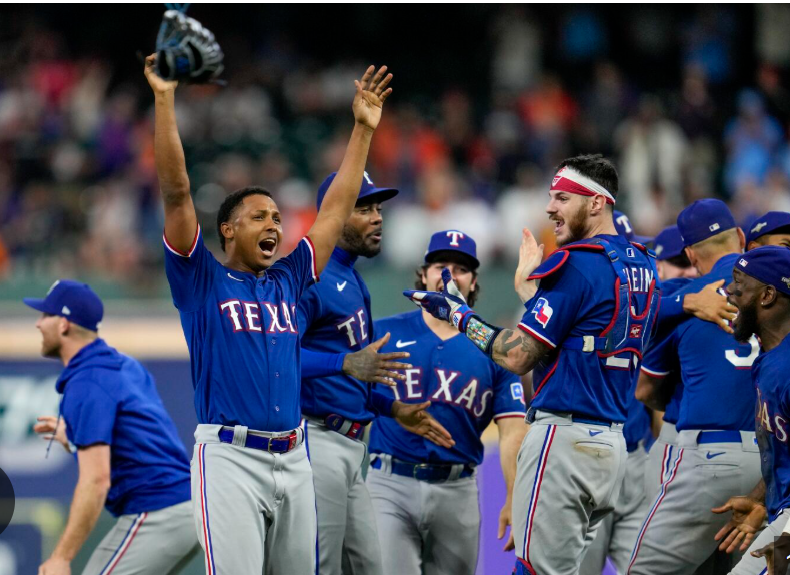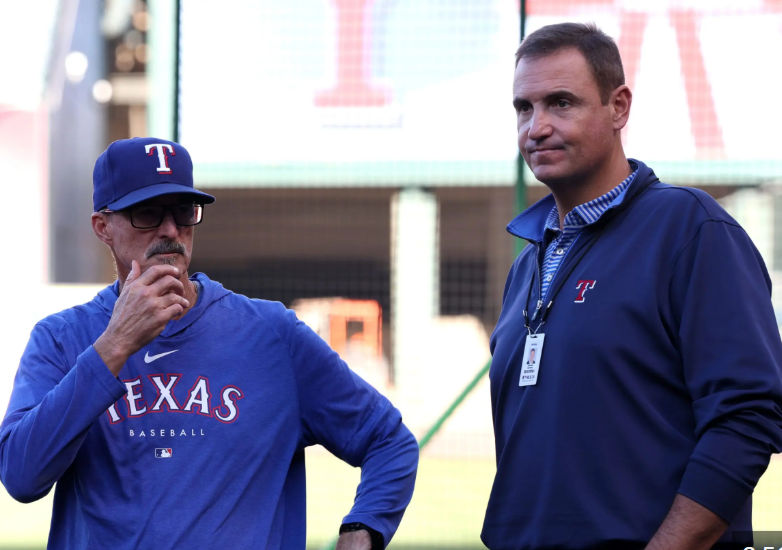

After a month of speculation, uncertainty, and escalating frustration among fans, the Texas Rangers have officially brought back Jonah Heim for the 2026 season. The announcement marks one of the most unexpected twists of the offseason a reversal that few inside or outside the league saw coming. For weeks, the Rangers appeared to be moving in a different direction behind the plate. Now, after exploring nearly every alternative on the market, the club has decided the best answer was the one it let go.
The move closes the chapter on a wildly confusing stretch that began in late November, when Texas declined to tender Heim a contract, making him a free agent. That decision immediately drew strong reactions across the baseball world. Heim had been an integral part of the Rangers’ identity, widely respected for his defense, rapport with pitchers, and steady presence in the clubhouse. Even in years when his offense dipped, his pitch-framing, game-calling, and chemistry with the rotation made him one of the most valuable defensive catchers in the American League. So when Texas moved on, it indicated or seemed to indicate that the front office was preparing for a transformative change at the position.
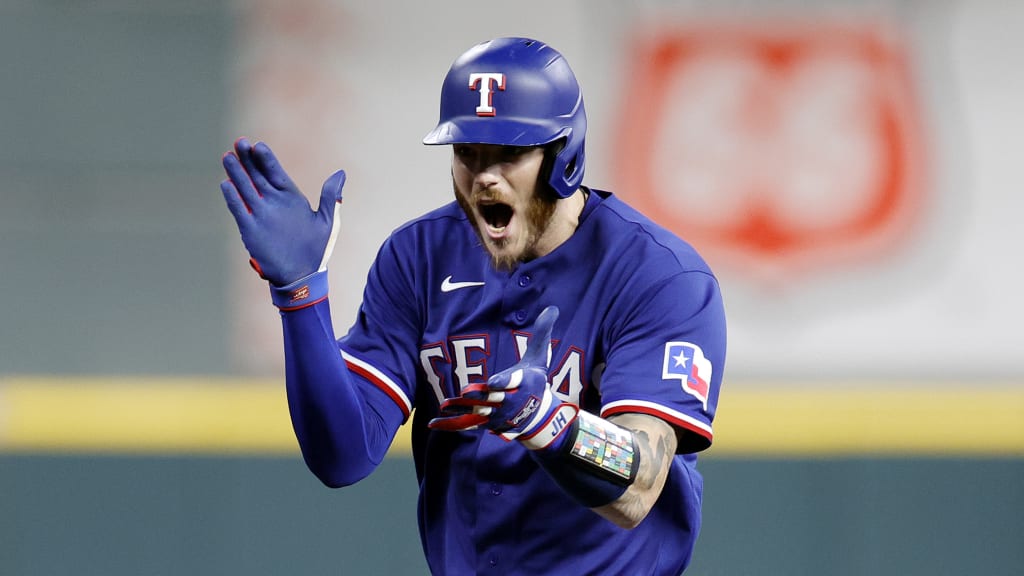
But as the offseason unfolded, the Rangers discovered that replacing Heim was not the simple step they expected. High-end free-agent catchers sought multiyear deals, often with price tags that ballooned beyond what Texas was willing to commit. The trade market yielded few realistic options: several teams with available catchers demanded young pitching, a commodity the Rangers were reluctant to part with after their rotation depth collapsed the previous season. Meanwhile, internal candidates lacked either the experience or offensive consistency to anchor a staff expected to compete immediately.

As Texas weighed these factors, it became increasingly clear that non-tendering Heim had created a problem larger than the organization anticipated. For weeks, speculation swirled around the Rangers’ catcher strategy. Some insiders suggested the front office was attempting to restructure its payroll after an expensive two-year period. Others believed the club wanted to reshape its defensive identity with a younger, more athletic option. But none of the rumors ever crystallized into action. Names floated in and out of discussions without meaningful progress. And as days turned to weeks, one truth grew harder to ignore: the Rangers still had no answer behind the plate.

That reality set the stage for the team’s dramatic pivot back toward Heim. As negotiations quietly reopened, Texas recalibrated its priorities. What mattered most wasn’t flash, wasn’t marketing value, and wasn’t chasing a new direction simply for the sake of change. What mattered was stability something Heim had always provided. Talks that once seemed impossible now accelerated rapidly. And in early December, the Rangers finalized a deal that would reunite Heim with a pitching staff that had grown increasingly vocal about wanting him back.
The reaction inside the clubhouse was immediate. Several pitchers, speaking anonymously due to team policy, expressed relief. Heim’s reputation as a steadying force had only strengthened during his absence. His familiarity with the organization’s pitching infrastructure made him invaluable, especially for younger arms who relied on his guidance. Reacquiring him meant more than filling a roster spot: it restored a relationship between pitcher and catcher that had been built over years.
Heim himself, according to those close to the situation, had mixed emotions during the non-tender period. He was disappointed, even hurt, by the Rangers’ initial decision. But he remained open to a return if the right opportunity emerged. He valued stability, enjoyed playing in Texas, and believed he still had unfinished business with the team. When the Rangers re-established contact, he listened — cautiously at first. As talks continued and intentions became clear, his posture shifted from guarded to optimistic.

From the front office perspective, the choice to bring back Heim was a combination of introspection and realism. The Rangers entered the offseason world with the belief they could upgrade their catching situation. They leave this chapter with a recognition that upgrading doesn’t always mean replacing — sometimes it means improving what already works. The Rangers have often built their best teams not on splashy moves but on consistency, chemistry, and the right fit. Heim checks all three boxes.
For fans, the announcement brought a sense of closure. Many had been confused and upset by the team’s initial decision to part ways with Heim, especially given his role during their most successful stretches. Social media reactions shifted almost instantly from frustration to relief and even celebration. Some fans described the reunion as “the one move that finally made sense.” Others saw it as a correction — a recognition by the team that they had misread the value of their own player. Whatever the interpretation, the emotional response underscored how deeply Heim had embedded himself into the identity of the franchise.

Moving forward, Heim’s return provides the Rangers with more than just roster clarity. It gives them direction. With catching now stabilized, the club can shift focus to its remaining needs: adding pitching depth, sorting its corner outfield situation, and reinforcing the bullpen. Heim’s presence allows the team to approach these goals with greater confidence, knowing that its foundational defense behind the plate is secure.
This reunion also sets the stage for Heim’s next chapter. At 30 years old, he is entering the portion of his career where experience intersects with durability — the prime years for catchers who excel more in leadership and defensive skill than in pure power. For a team that has recently struggled with pitching injuries and inconsistency, Heim’s calm and disciplined approach could prove invaluable.
The Rangers’ reversal doesn’t guarantee immediate success. It doesn’t erase the complicated path that led here. But bringing Heim back signals a deeper truth: the organization recognizes the importance of continuity, trust, and familiarity. In an offseason full of questions, this is one answer that restores stability.
For Texas, the message is simple: the catcher they needed was the catcher they already knew. And for Heim, the place he always wanted to be turned out to be home once again.