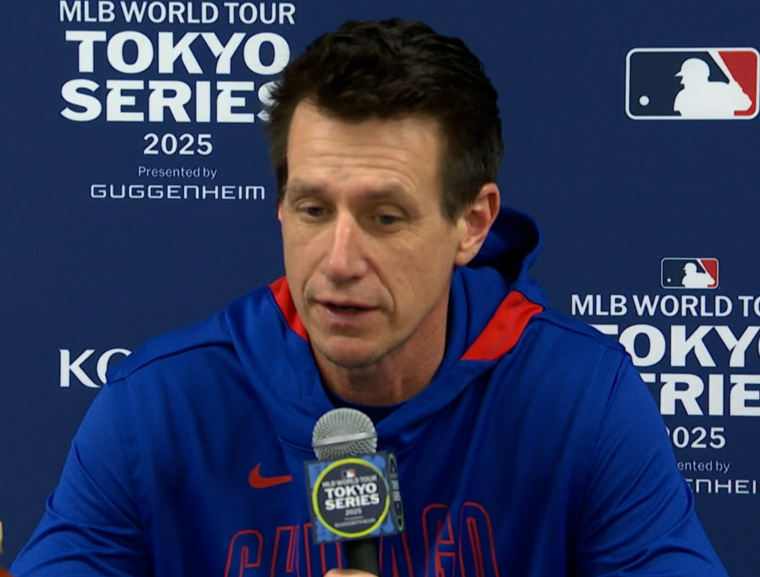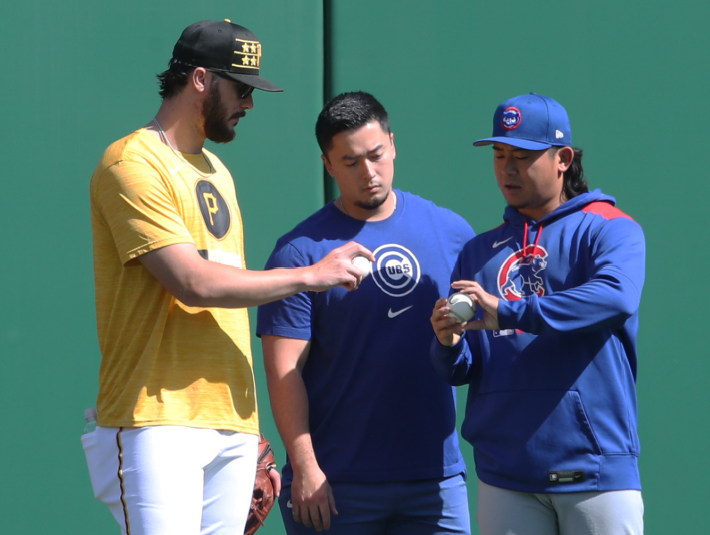

The Chicago Cubs entered this offseason with a clear and unmistakable goal: add a proven starting pitcher to the rotation. After a year of inconsistent performances and injuries across the staff, the front office signaled early that pitching particularly at the top of the rotation would be the primary focus. It didn’t take long for speculation to swirl around one of the biggest names on the free-agent market: Dylan Cease. For several weeks, the Cubs were connected to Cease more than almost any other team, and insiders widely believed that Chicago was one of the finalists vying for his signature.
Then the Blue Jays swooped in with a seven-year, $210 million offer. Shortly afterward, Cease agreed to the deal, leaving Chicago empty-handed and sparking questions about what had happened behind the scenes. Reports later clarified that the Cubs were indeed among the final teams still negotiating with Cease’s camp, but that they backed away once the asking price crossed the $200 million threshold. That was the moment the front office decided the price no longer matched the value.
The Cubs’ cautious approach wasn’t entirely surprising. Despite their willingness to spend when the fit is right, the current front office has avoided the kind of massive, long-term, high-risk deals that have burned organizations in the past. Pitchers, no matter how talented, face more injury-related uncertainty than almost any other player group in baseball. And while Cease has had seasons where he looked like one of the most dominant pitchers in the league, he has also had years—like his uneven 2025 campaign—where his control wavered, his ERA ballooned, and his performance resembled that of a mid-rotation starter rather than an ace. Evaluating Cease meant weighing both the upside and the volatility, and ultimately, the Cubs decided the financial risk was too steep.
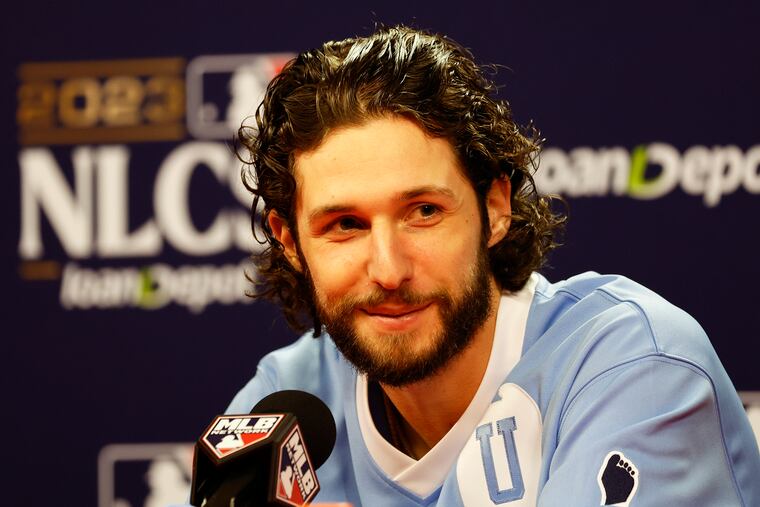
That doesn’t mean the Cubs had no interest. On the contrary, by all accounts they were aggressive early in discussions. There was a genuine sense within the organization that Cease could provide a major upgrade. His durability over the past several seasons—multiple years of 30-plus starts—was a major selling point. His strikeout totals remained near the top of the league. And he already knew the Cubs organization well, having been drafted by them before eventually being traded away as a prospect. Bringing him home would have been more than just a baseball decision; it would have been a symbolic reunification.

But as the negotiations stretched on and the price climbed, Cubs president Jed Hoyer and the front office dug in. They believed that putting more than $200 million—and seven guaranteed years—into a pitcher with Cease’s inconsistency and high-velocity workload was not the most efficient use of their resources. The Blue Jays, meanwhile, were willing to meet the price and structure, including deferrals, that made the offer more palatable from a long-term payroll perspective. Once Toronto crossed the financial line Chicago was unwilling to approach, the sweepstakes effectively ended.
Still, the Cubs have made it clear that their offseason plans haven’t changed just because they missed on Cease. Their need for pitching remains urgent, and their remaining budget—estimated at around $50 to $60 million—gives them plenty of flexibility to act. There are several other high-caliber starting pitchers available, including Zac Gallen, Ranger Suárez, and Framber Valdez, along with a tier of dependable mid-rotation options. Many of these pitchers are expected to command shorter-term deals than Cease, and the Cubs may see that as a more balanced investment.
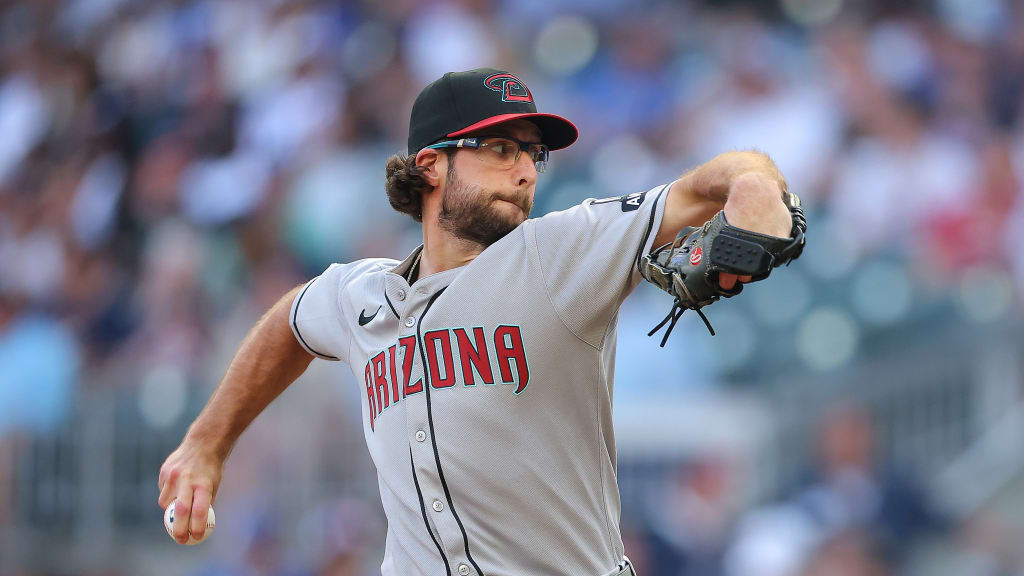
This strategy aligns with Chicago’s broader roster-building philosophy. Rather than staking their fortunes on a single ace, the Cubs could opt to build depth—adding two or three strong, reliable starters instead of one superstar. Depth can be just as valuable as top-end talent, especially during a long season where injuries are inevitable. A rotation that features several stable arms and has capable reinforcements can survive adversity better than a top-heavy staff that collapses if one or two pitchers struggle.
Of course, the flip side of that strategy is that depth doesn’t always win championships. October baseball often comes down to elite arms overpowering elite hitters in tight moments. That’s exactly what Cease, at his peak, can provide. If the Cubs ultimately settle for less-than-elite options, their ceiling might be lower than what fans hoped when Cease rumors first emerged. And that’s the biggest concern for the fanbase: not simply that the team missed on Cease, but that missing out might limit how competitive they can be in 2026.
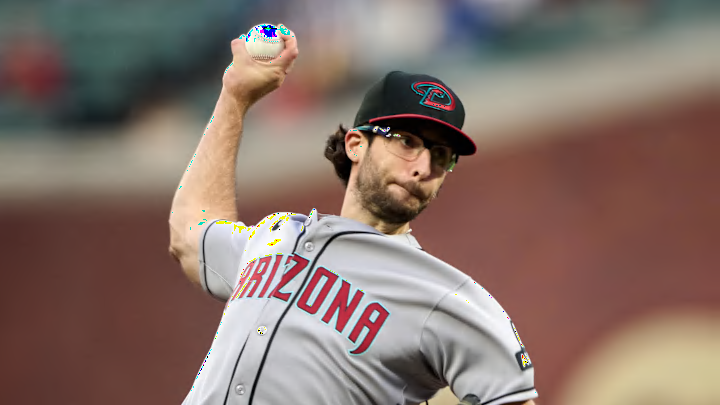
Still, the Cubs’ decision to bow out of the bidding doesn’t necessarily close the door on other splash moves. Free agency is only one avenue. The trade market could offer intriguing possibilities, especially with several teams positioning themselves for rebuilds or payroll resets. Chicago has the prospect capital to make a significant trade if the right pitcher becomes available. They also have young players on the roster who could be moved if the return is strong enough.
The Cubs’ offseason, then, is at a crossroads. The front office has preached patience and prudence, traits that have served other successful organizations well. But patience must eventually lead to action, especially with a roster that appears one or two key additions away from true contention. The urgency is real, and the expectations from fans are higher than they’ve been in years. Missing on Cease isn’t a failure by itself but failing to secure a legitimate rotation upgrade by spring training might be.
In many ways, the Cease saga highlights the philosophical divide between teams with massive financial tolerance and teams taking a more measured approach. The Blue Jays saw an elite arm, believed the risk was worth the potential reward, and acted decisively. The Cubs saw both the talent and the risk but chose not to roll the dice at a price they believed was inflated. That doesn’t make one approach right and the other wrong it simply reflects differing calculations about value, sustainability, and long-term planning.
What matters most now is what comes next. The Cubs still need pitching. They still have money. They still have options. The question is whether they will be aggressive enough and strategic enough to land the right additions. Their window to compete in 2026 and beyond is widening, but windows can close just as quickly if opportunities slip by.