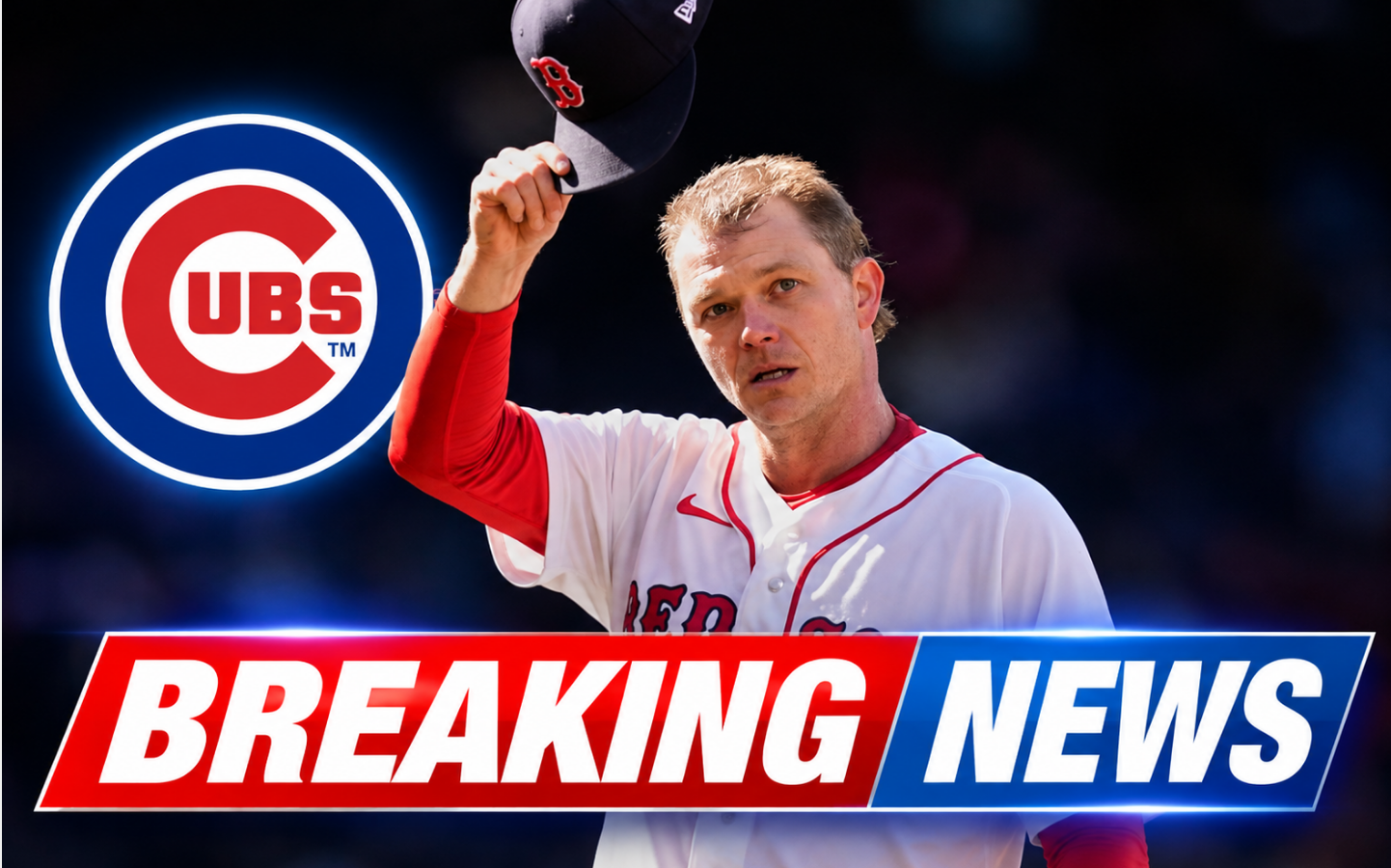
The Chicago Cubs reportedly preparing for a significant offseason move as they look to strengthen their starting rotation ahead of the 2027 MLB season. Following a disappointing postseason exit, the Cubs have a clear need to improve their pitching staff, and Boston Red Sox veteran Sonny Gray has emerged as a potential target.
Although no deal has been confirmed, Gray’s impressive 2026 campaign has made him an intriguing option for Chicago. The veteran right-hander demonstrated that he can still compete at a high level, and his experience could make him a valuable addition to a Cubs team looking to take another step toward becoming a legitimate World Series contender.
According to a recent report, the Cubs have been identified as a potential landing spot for Gray as questions surround his future in Boston. The prediction comes at a time when Chicago must evaluate its pitching options and determine how aggressively it wants to pursue established starters this offseason.

Gray gave the Red Sox plenty of reasons to consider keeping him after delivering an outstanding performance during the 2026 regular season. The veteran finished the campaign with an 18-5 record, a 2.72 ERA, and 149 strikeouts across 29 appearances. He also earned his third career All-Star selection, further demonstrating his value as one of Boston’s most reliable starting pitchers.
Those numbers would make Gray an attractive option for several teams seeking an experienced arm capable of handling important assignments throughout a long season. For Chicago, the appeal is straightforward. The Cubs need dependable starting pitching, and Gray’s ability to deliver quality outings could help stabilize a rotation that faces important questions entering the offseason.
However, his impressive statistics do not guarantee that he will leave Boston. The Red Sox must weigh the value of retaining an established starter against the financial implications of bringing him back for another season.
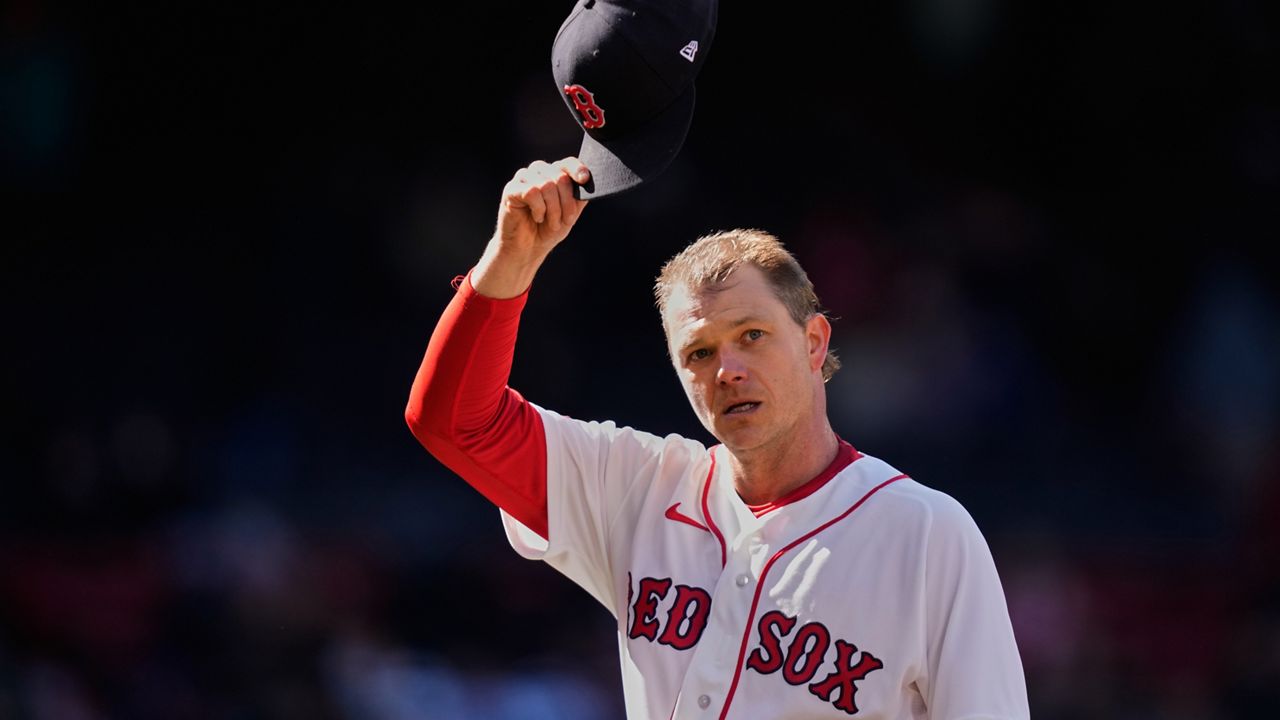
Gray has also indicated that he intends to continue pitching in 2027, meaning retirement is no longer the central question surrounding his future. Instead, attention is turning toward where he will play next season and what kind of contract he might receive.
The Cubs’ interest in strengthening their rotation should make them a team worth monitoring throughout the offseason. Chicago finished the 2026 regular season with an 89-73 record, but its postseason run ended with a disappointing sweep against the San Diego Padres in the National League Wild Card Series.
The early exit exposed concerns that the organization must address if it hopes to compete more effectively next year. While the offense remains an important part of the team’s foundation, improving the starting rotation could be one of the most consequential decisions the front office makes.
Adding Gray would give the Cubs a pitcher with extensive postseason experience and a proven record of performing across multiple organizations. He has also pitched in the National League Central with both the Cincinnati Reds and St. Louis Cardinals. That familiarity could make a return to the division appealing, particularly if Chicago presents a competitive opportunity.
Gray’s experience would be especially valuable for a rotation that needs consistency. Rather than relying exclusively on developing pitchers or hoping younger arms make significant improvements, the Cubs could add a veteran who has already demonstrated his ability to handle a demanding starting role.
Still, Chicago must consider his age. Gray will enter his age-37 season in 2027, so the Cubs would need to evaluate whether his recent performance can continue and how much financial risk they are willing to accept.

The Red Sox now face a significant decision regarding one of their most productive pitchers. Gray’s 2026 performance gives Boston a strong reason to explore a reunion. Losing an 18-game winner who posted a 2.72 ERA would leave a substantial gap in the rotation, potentially forcing the organization to search for another established starter.
At the same time, financial considerations could influence the decision. Boston must determine whether retaining Gray fits its broader roster-building strategy and whether the club can agree to terms that make sense for both sides. With the veteran potentially attracting interest from other teams, competition for his services could become an important factor.
The Cubs are not the only organization that could make sense as a destination. Other teams seeking rotation help may also explore the opportunity to bring Gray aboard, potentially creating a competitive market for his services.
If the Cubs successfully pursue Gray, the move could represent a meaningful step toward addressing their pitching concerns. His ability to limit earned runs, generate strikeouts, and work through difficult innings would provide Chicago with another experienced option at the front of its rotation.
Nevertheless, signing one starting pitcher would not automatically solve every problem facing the team. The Cubs would still need to evaluate their existing starters, assess their depth, and determine whether additional reinforcements are necessary.
The financial terms would also matter. Given Gray’s age, Chicago would have to strike a balance between rewarding his excellent 2026 season and avoiding a commitment that becomes difficult to justify later.
The possibility of Sonny Gray joining the Chicago Cubs is an intriguing storyline as the offseason begins. His outstanding season with Boston makes him an appealing target, while Chicago’s need for starting pitching provides a clear reason for the connection. His familiarity with the National League Central could also make the potential move particularly interesting.
However, the Cubs’ reported interest remains a prediction rather than a confirmed signing. No agreement between Gray and Chicago has been announced.
Ultimately, the decision will depend on the Cubs’ offseason priorities, Boston’s willingness to retain the veteran, and the contract terms available to him. If Chicago decides to pursue Gray aggressively, the veteran right-hander could become one of the most interesting names to watch as the team attempts to strengthen its rotation for 2027.
For now, Cubs supporters will have to wait to see whether the front office turns this prediction into a concrete move. After an early postseason exit, adding an established starting pitcher could be precisely the kind of statement the organization needs to make.