The Philadelphia Phillies enter this offseason facing a crossroads that could determine the direction of the franchise for years to come. After another year of falling short of a championship, the pressure to return to the World Series is heavier than ever. The team is built to win now, but the front office must balance aggressive upgrades with the reality that several key contributors are hitting free agency. Among them, none carry more uncertainty or intrigue than catcher J.T. Realmuto.
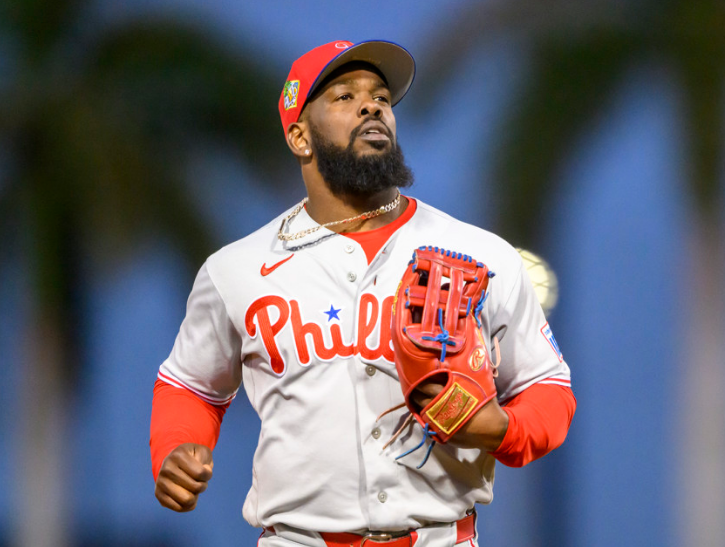
The Phillies know they need to get better, but before they can add pitching depth or more lineup power, they must make a series of decisions on their own players. Ranger Suárez, one of the most reliable left-handed pitchers in baseball during Philadelphia’s recent postseason runs, is expected to draw significant interest across the league.
Then there is Kyle Schwarber, a fan favorite whose power bat remains one of the most dangerous in the National League. Schwarber has become synonymous with the Phillies’ identity—big swings, huge moments, and the ability to change a game with one at-bat. If the Phillies want to keep that dynamic alive, they will need to pay. Retaining Schwarber isn’t a guarantee, especially with multiple teams looking for proven power hitters, but the expectation remains that Philadelphia would be willing to match or exceed most offers to keep one of their clubhouse leaders in red pinstripes.

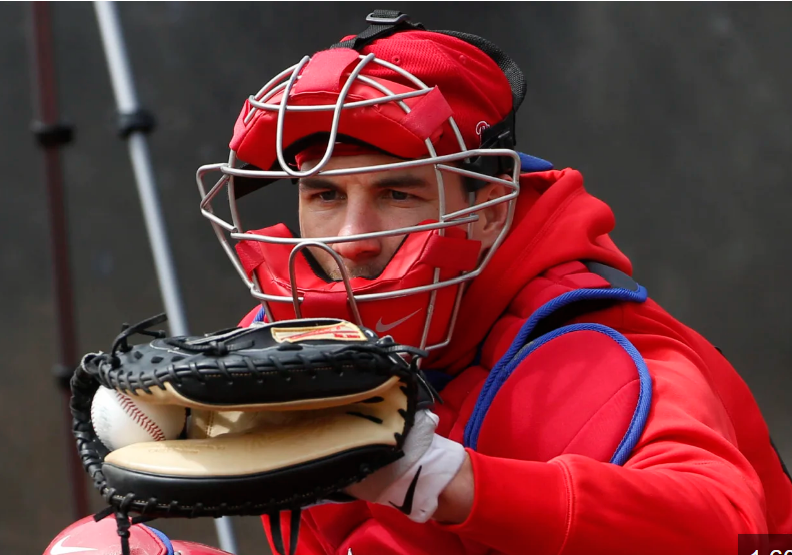
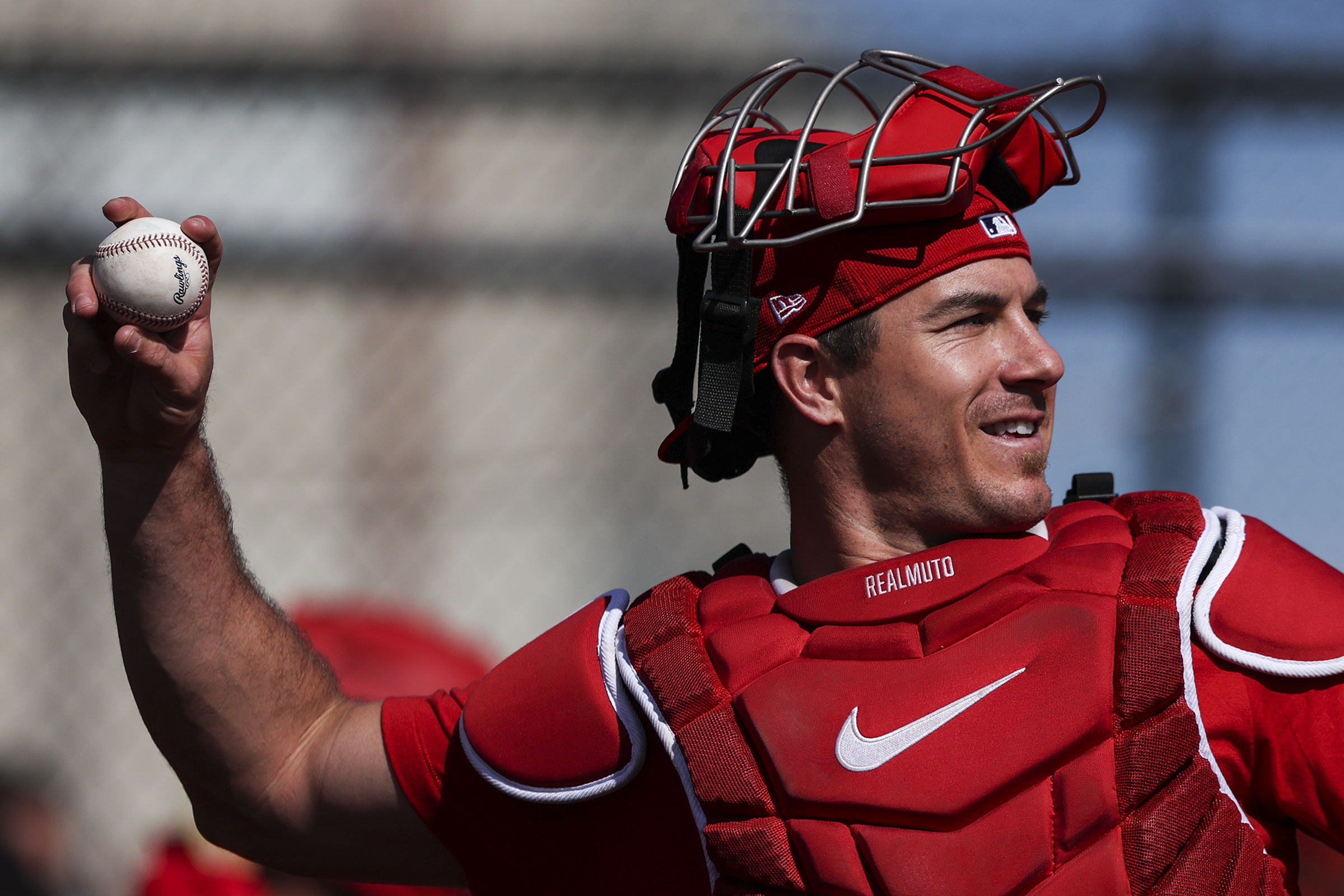
But the most complicated situation of all centers around J.T. Realmuto, the veteran catcher widely considered one of baseball’s best defensive backstops and a leader of the pitching staff. Realmuto has been instrumental in guiding the Phillies through deep postseason pushes, providing not only Gold Glove-caliber defense but also consistent offensive production from one of the most demanding positions on the field. His value to the team extends beyond the stat sheet; he has been a stabilizing presence for a rotation that has seen its share of ups and downs over the years.
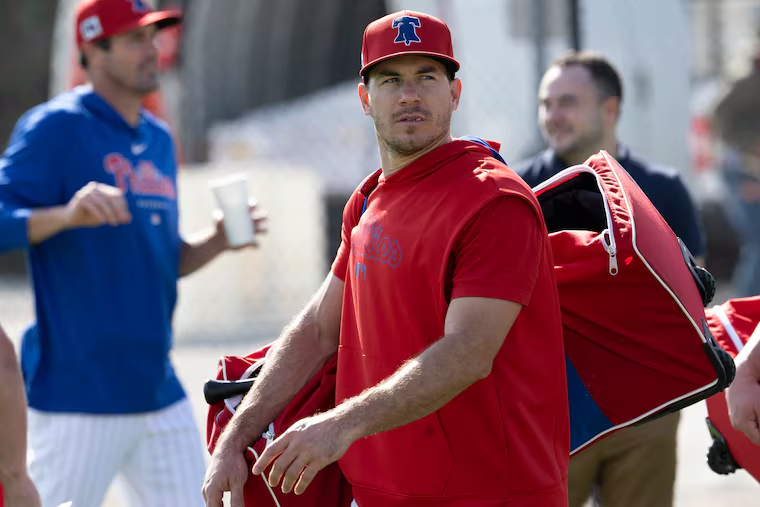
Now, for the first time in his Phillies tenure, the future of Realmuto in Philadelphia is truly in doubt. Ryan Finkelstein of Just Baseball recently projected Realmuto to sign a two-year, $24 million contract with the San Diego Padres, a scenario that has generated significant buzz across the league. While this is only a projection and not an official report, it underscores a dynamic many around baseball have quietly wondered about: whether the Phillies would actually let the veteran walk.
A two-year deal worth $24 million would be relatively modest for a player of Realmuto’s pedigree, but it also reflects the reality of the position. Catchers rarely command long-term contracts once they reach their mid-30s, and teams often hesitate to invest heavily given the physical demands of catching nearly every day. The Padres, who have been seeking stability behind the plate since the departure of Austin Nola and have cycled through several catchers in recent years, make logical sense as a suitor. They have an immediate need, competitive aspirations, and the willingness to spend when they identify a fit.
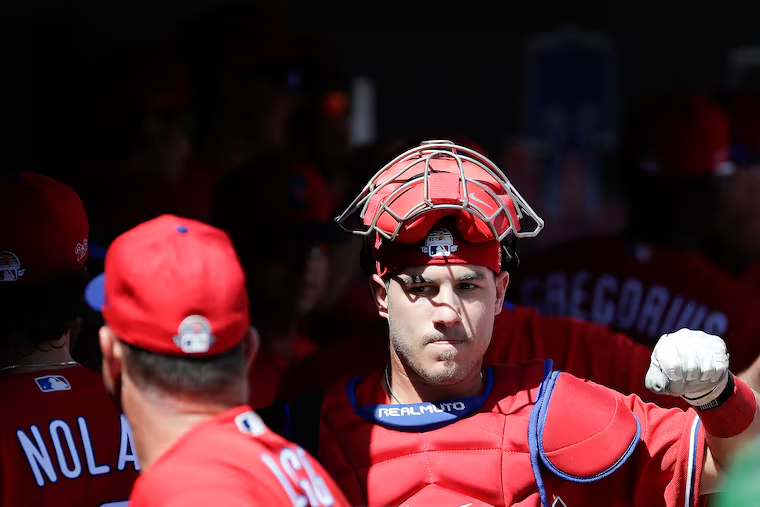
If Realmuto were to leave, it would create a ripple effect across the Phillies organization. Philadelphia would then need to pursue a replacement, either through free agency, trade, or internal options. None of those paths offer a straightforward answer. The free-agent catcher market is thin, with few players providing the defensive reliability or offensive consistency of Realmuto. A trade would cost prospects, something the Phillies have been cautious about parting with unless the return is significant. Turning to an internal solution would likely weaken the roster at a premium position during a season in which every marginal upgrade—or downgrade—could determine the standings.
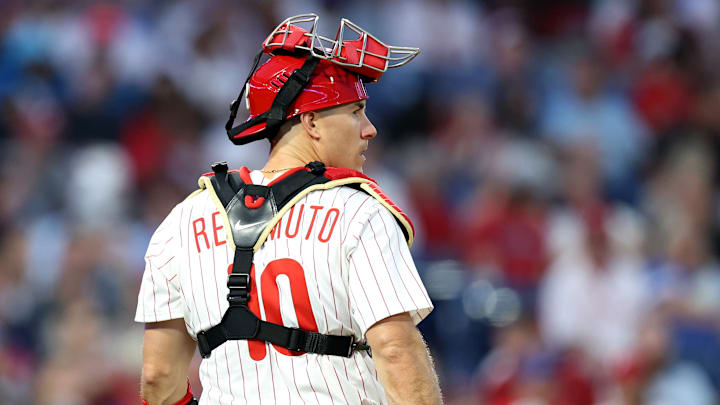
On the other hand, the Phillies must evaluate Realmuto’s long-term outlook. Catchers inevitably decline earlier than players at less punishing positions, and while Realmuto has held his form better than most, the team must be realistic about his durability moving forward. The organization could also consider whether to allocate resources elsewhere, possibly shifting more spending to starting pitching or adding another middle-of-the-order bat.
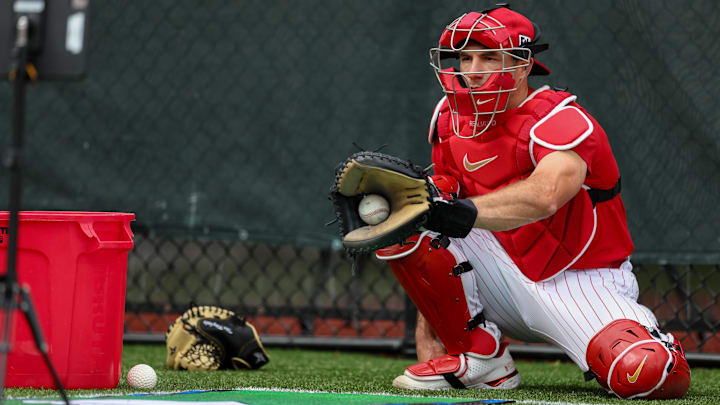
Still, letting Realmuto walk comes with risks that extend beyond roster construction. The chemistry between a catcher and pitching staff is difficult to replicate, and Realmuto’s familiarity with Aaron Nola, Zack Wheeler, Suárez, and the bullpen arms has been a key part of why the Phillies have sustained success the past several seasons. Replacing that relationship is not as simple as signing a new player. The Phillies have also built much of their defensive identity around the confidence that Realmuto brings behind the plate.
The front office must weigh all of these factors while operating under the public and internal expectation that the team must take meaningful steps forward. Fans want to see improvements. Ownership wants a championship. The players in the clubhouse want another shot at the World Series. To do that, the Phillies need answers—quickly.

If Schwarber returns as expected but Suárez and Realmuto both depart, the Phillies will enter the offseason needing to replace a frontline pitcher and an All-Star catcher, all while still aiming to add impact talent. The margin for error shrinks considerably in such a scenario, and the Phillies cannot afford to miscalculate.
The next several weeks will likely provide clarity as negotiations evolve, but for now, the possibility of Realmuto joining the Padres adds a dramatic new layer to an already pivotal offseason. If Finkelstein’s projection becomes reality, Philadelphia could enter 2025 without one of the most important players of its recent era—forcing the team to reimagine not only its roster but also the identity that has driven its success.