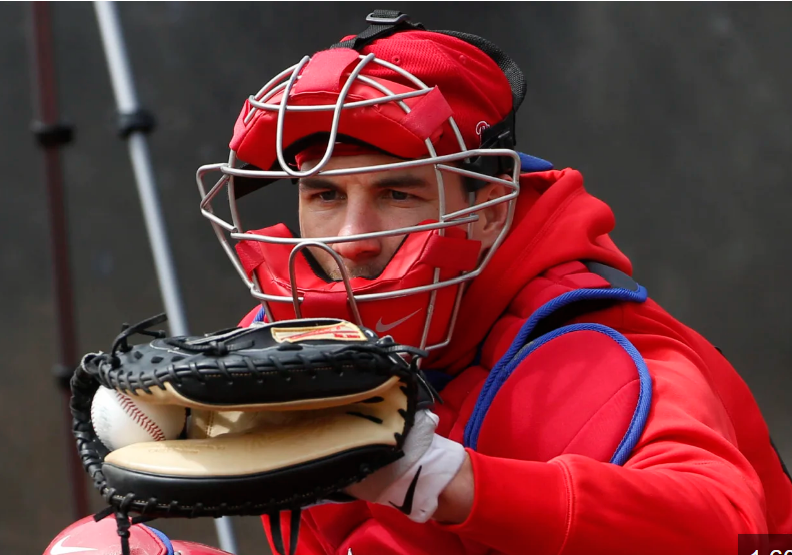

For nearly a decade, the Philadelphia Phillies have benefited from rare consistency at one of baseball’s most demanding positions. Catcher, a spot that often requires teams to juggle defense, offense, durability, and leadership, has not been a concern for Philadelphia thanks to the presence of J.T. Realmuto. Since acquiring him from the Miami Marlins prior to the 2019 season, the Phillies have enjoyed elite production and stability behind the plate, allowing them to avoid the annual uncertainty that many franchises face at the position.
Realmuto, now 34 years old, has been a cornerstone of the Phillies’ roster throughout his tenure in Philadelphia. His combination of athleticism, defensive skill, and offensive ability quickly established him as one of the premier catchers in Major League Baseball. For seven consecutive seasons, the Phillies have not needed to explore alternative options at catcher during the offseason, a luxury few teams can claim. However, with Realmuto set to reach free agency, that stability could soon be tested.

If Philadelphia were to lose Realmuto this offseason, the organization would be forced to rely on a catching tandem with minimal experience at the major league level. Rafael Marchán and Garrett Stubbs, while capable backups, have never been asked to shoulder the responsibilities of everyday catchers on a contending team. Such a scenario would represent a significant downgrade from the production and leadership Realmuto has consistently provided, particularly for a club with championship aspirations.
MLB.com analyst Mike Petriello recently emphasized just how critical Realmuto has been to the Phillies’ success and why re-signing him should be a priority. Petriello noted that it has been a long time since Philadelphia last had to seriously worry about the catcher position. The last time a catcher other than Realmuto was regularly behind the plate was in 2018, when Jorge Alfaro handled the role. Since then, Realmuto has not only anchored the position but has also been one of the most valuable catchers in the sport.
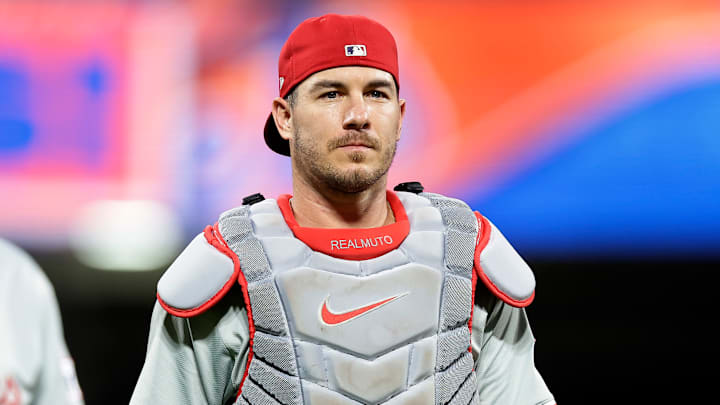
Over the past seven seasons, Realmuto’s overall contributions have set him apart from his peers. His ability to control the running game, manage pitching staffs, and contribute offensively placed him at or near the top of nearly every advanced metric for catchers. While there are clear signs that age has begun to affect certain aspects of his game, Petriello pointed out that Realmuto was still essentially a league-average catcher last season — a level of performance that remains valuable given the scarcity of quality options at the position.
At first glance, describing a player of Realmuto’s stature as “average” may not inspire excitement. However, context is essential. The Phillies’ current projected catching duo ranks near the bottom of league projections, and the upcoming free-agent market for catchers is notably weak. There are no available players who can realistically replicate Realmuto’s all-around impact, even if his peak years are behind him. As a result, retaining Realmuto, even on a short-term deal, appears to be the most logical solution.
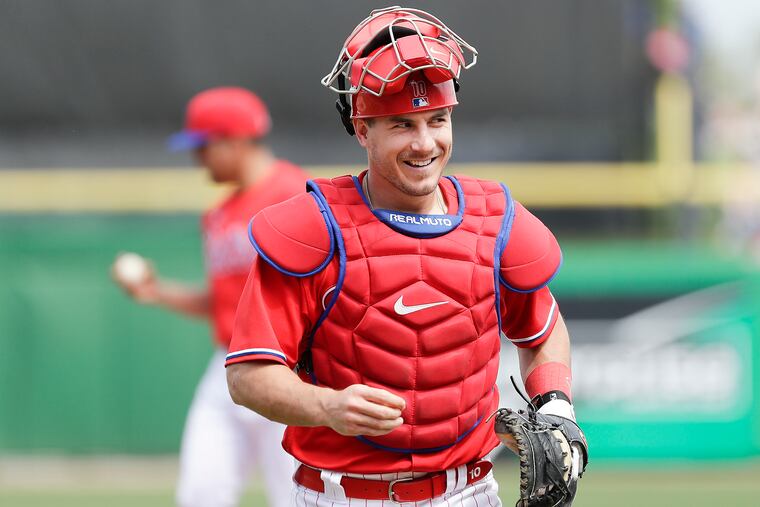
Petriello also highlighted that the Phillies’ decision to re-sign Kyle Schwarber strengthens the case for bringing Realmuto back. Schwarber’s return signals the organization’s commitment to remaining competitive in the immediate future. Allowing Realmuto to walk while keeping other core pieces intact would create an unnecessary hole on an otherwise strong roster. A short-term contract would allow the Phillies to maintain continuity while minimizing long-term risk as Realmuto progresses further into his mid-30s.
Realmuto’s résumé speaks for itself. He is a three-time All-Star and a former Gold Glove winner, accolades that reflect both his offensive contributions and his defensive excellence. Even as his offensive numbers have dipped slightly over the past two seasons, he continues to offer value in ways that go beyond the box score. His game-calling ability, leadership in the clubhouse, and rapport with the pitching staff are elements that are difficult to quantify but vital to team success.
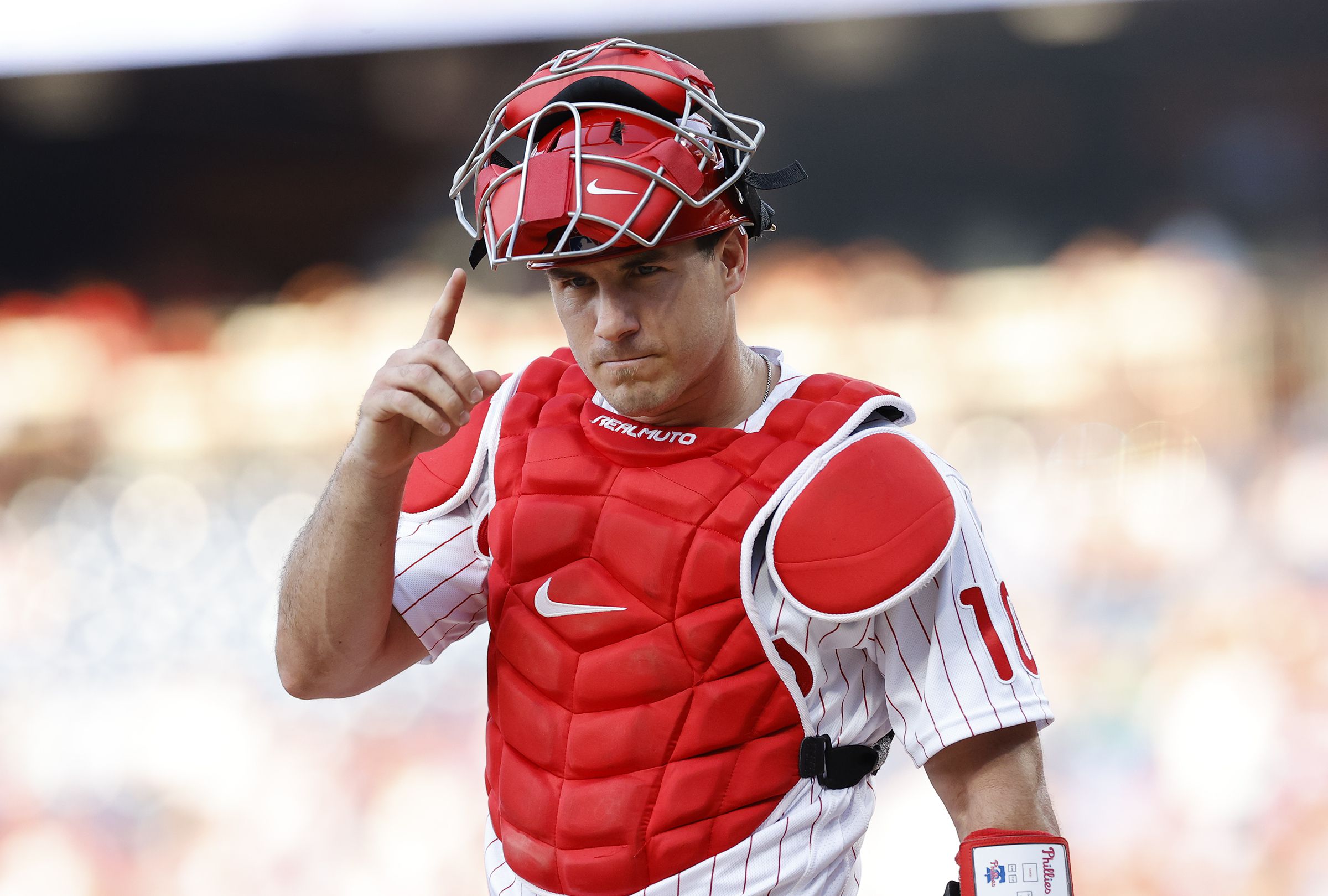
Age is an unavoidable factor in the conversation surrounding Realmuto’s future. Catchers often experience sharper physical decline than players at other positions due to the demanding nature of the role. Realmuto has already shown some regression, particularly at the plate, but his athleticism and baseball IQ have helped him remain effective. Importantly, the alternatives available through free agency do not offer a clear upgrade, or even a comparable option, at this stage.
From a strategic standpoint, the Phillies must weigh the risk of decline against the certainty of diminished production if Realmuto departs. Internal replacements lack experience, and external options are uninspiring. For a team built to compete now, maintaining a proven presence at catcher is critical. Realmuto’s familiarity with the pitching staff, coaching personnel, and organizational philosophy provides additional value that cannot be easily replaced.
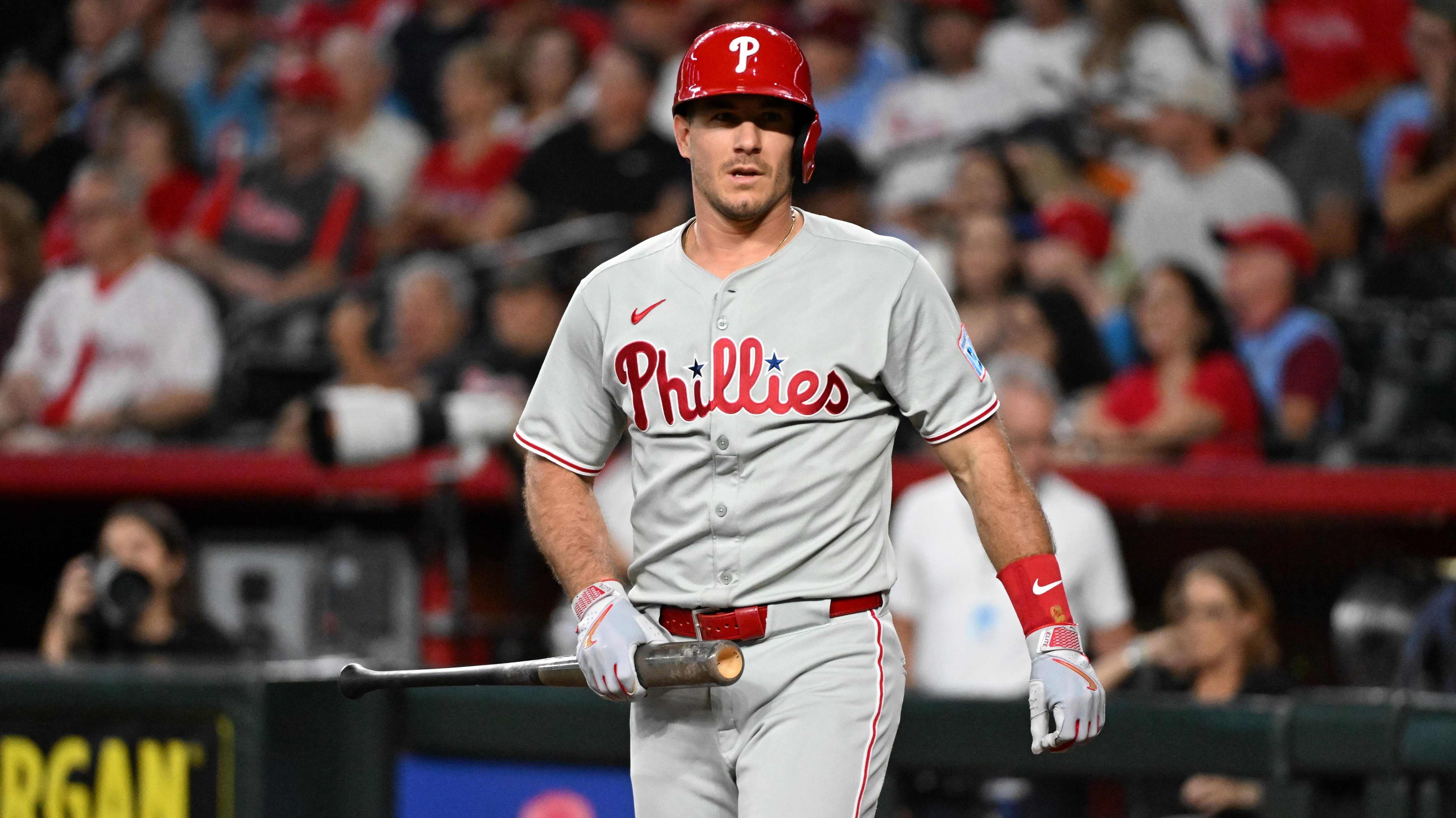
Philadelphia has already taken a significant step toward continuity by re-signing Schwarber, another key contributor and clubhouse leader. With that move completed, attention naturally turns to Realmuto, one of the longest-tenured and most impactful players on the roster. Retaining him would reinforce the Phillies’ commitment to contending while preserving stability at a position that has been a strength rather than a weakness for years.
Ultimately, while Realmuto may no longer be at the peak of his powers, he remains one of the most reliable and well-rounded catchers in baseball. Given the lack of viable alternatives and the team’s competitive window, the Phillies’ best course of action is to prioritize bringing him back. A short-term agreement would allow both sides to continue their successful partnership while providing the team with much-needed continuity as it pursues another deep postseason run.