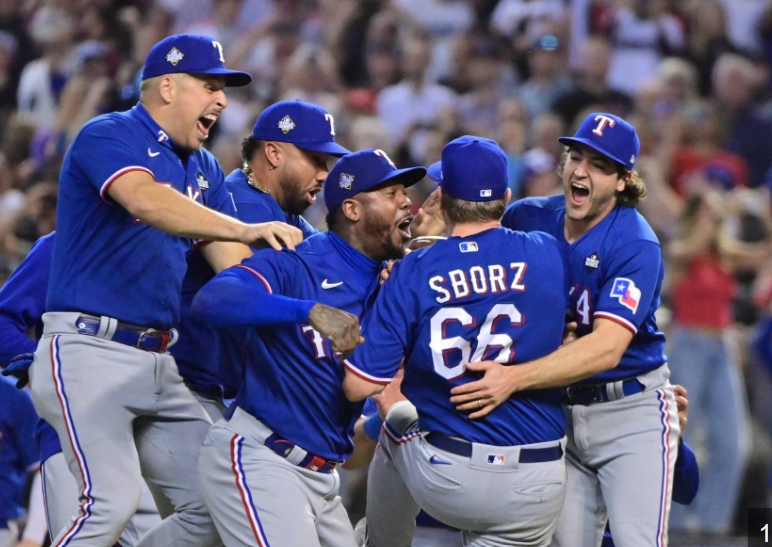
The Texas Rangers made one of their most dramatic roster resets in recent years, signaling a decisive shift in the organization’s direction. In a move that surprised many around baseball, the Rangers declined to offer 2026 contracts to four players: Adolis García, Jonah Heim, Josh Sborz, and Jacob Webb. All four immediately became free agents. While non-tenders are not uncommon around the league, the group of names the Rangers chose to part with speaks volumes about where the franchise is heading, especially as these players were central to some of the club’s most memorable moments, including the 2023 World Series championship run.
Perhaps the most shocking name on the list is Adolis García. Known for his powerful bat, electric personality, and clutch postseason heroics, García became the face of the Rangers’ rise to the top of the baseball world just two seasons earlier. His unforgettable ALCS performance in 2023, which earned him the Most Valuable Player award, helped propel the Rangers to their first World Series title in franchise history. But despite that star status, the team opted not to tender him a contract, ending his tenure in Texas at a moment when many expected him to be part of the team’s core for years to come.
García’s non-tender was influenced heavily by financial considerations. Arbitration projections had him earning more than $12 million for the 2026 season, a number that the Rangers decided they could no longer support as they begin to retool. Performance regression over the past two years, combined with injuries and inconsistency at the plate, contributed to the organization’s decision to move on. What once looked like a long-term partnership had now come to an abrupt end, leaving García’s future wide open as multiple teams around the league may pursue him as a free agent.
Another notable departure is catcher Jonah Heim, who had become a fan favorite and one of the most productive defensive catchers in the American League. Heim was praised not only for his framing and game-calling but also for the steady improvement in his offensive performance. His All-Star years were instrumental in stabilizing the pitching staff during the Rangers’ championship run. Just like García, Heim’s exit carries a deep emotional weight for both the team and the fans, but the Rangers appear committed to reshaping the roster with an eye toward long-term payroll flexibility.

Josh Sborz, another of the non-tendered players, played an essential role in the bullpen during the team’s 2023 postseason surge. His ability to pitch high-pressure innings helped carry the Rangers through several tight games. However, injuries and inconsistent performance since that championship season made his roster spot less secure. As the team evaluates its relief pitching for the future, the decision to let Sborz walk reflects a broader desire to refresh the bullpen with younger, more controllable arms.
Jacob Webb, while perhaps the least high-profile of the four, still contributed meaningful innings for the Rangers during his tenure. His non-tender further demonstrated how sweeping the club’s evaluation process has been. The organization seems determined to reconstruct several layers of its roster at once rather than make piecemeal adjustments.
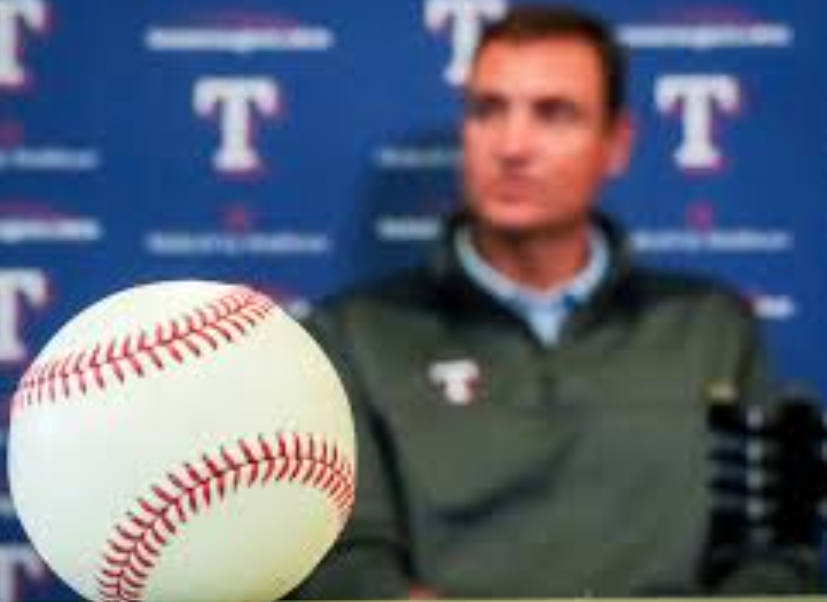
Following the departures, Rangers president Chris Young issued a statement expressing gratitude to all four players. His words underscored the organization’s respect for their contributions, particularly during the championship run that etched their names into franchise history. Young’s comments made it clear that these decisions were not taken lightly and that the club remains appreciative of everything the players helped them achieve. Yet at the same time, Young signaled that this offseason would be defined by difficult choices aimed at repositioning the team for future competitiveness.
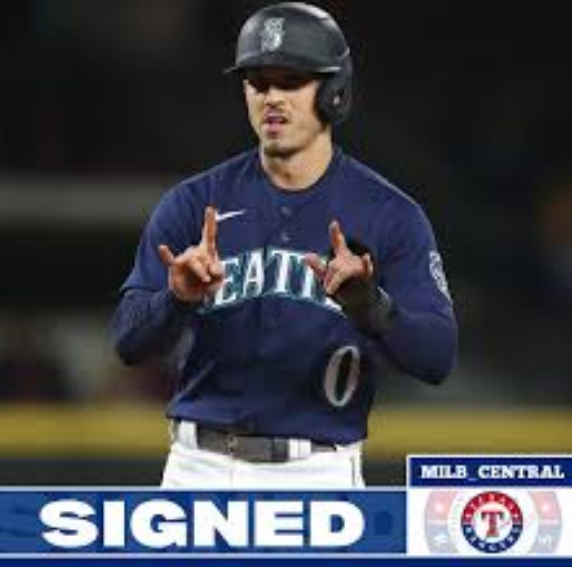
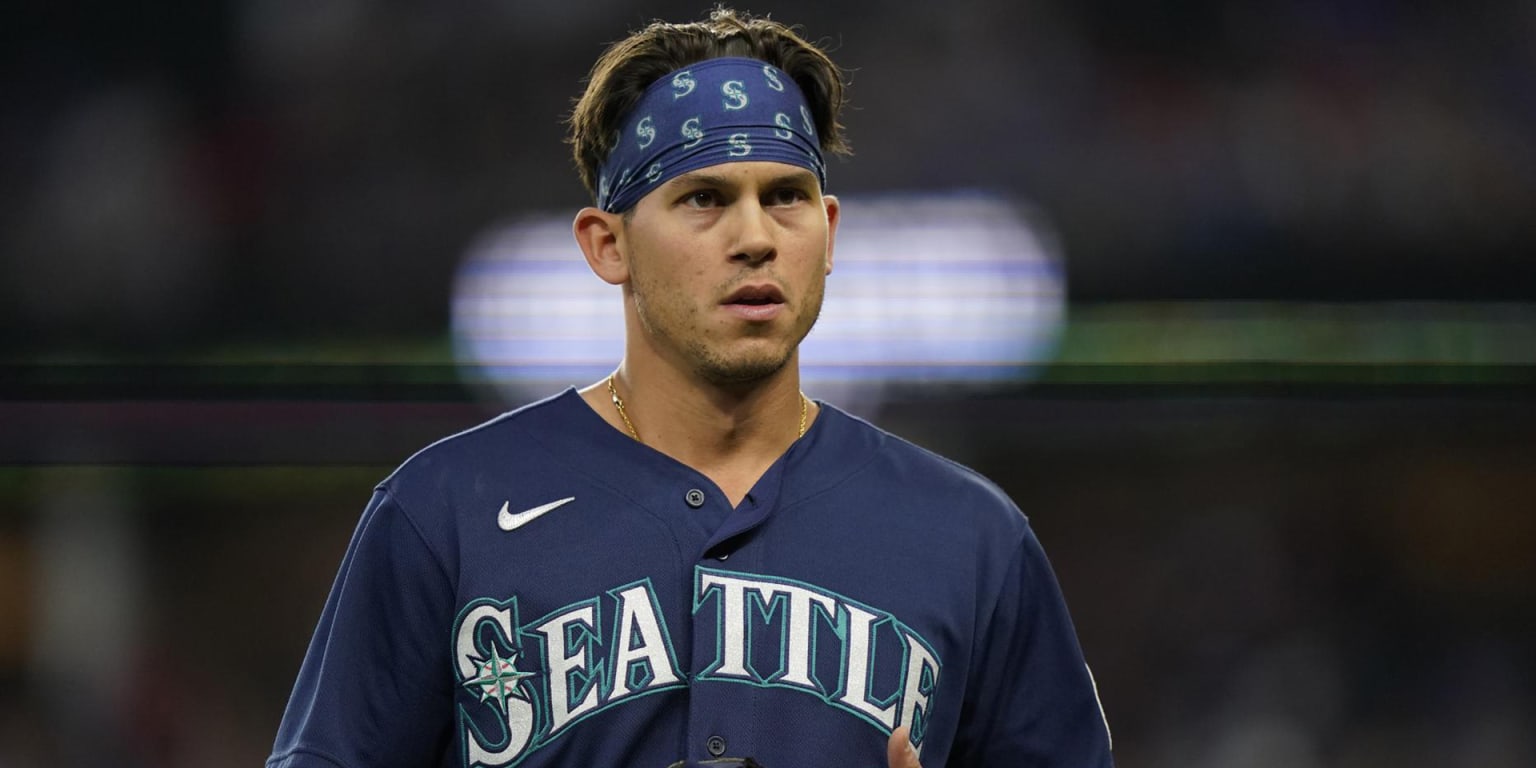
Despite the dramatic roster cuts, the Rangers did make at least one stabilizing move by agreeing to a one-year contract with Sam Haggerty. Although not a marquee signing, Haggerty brings value in the form of defensive versatility, speed, and switch-hitting ability. His presence gives the Rangers a cost-effective option capable of covering multiple outfield and infield positions. In many ways, signing Haggerty also illustrates the organizational shift toward players who can provide flexibility while keeping payroll manageable.
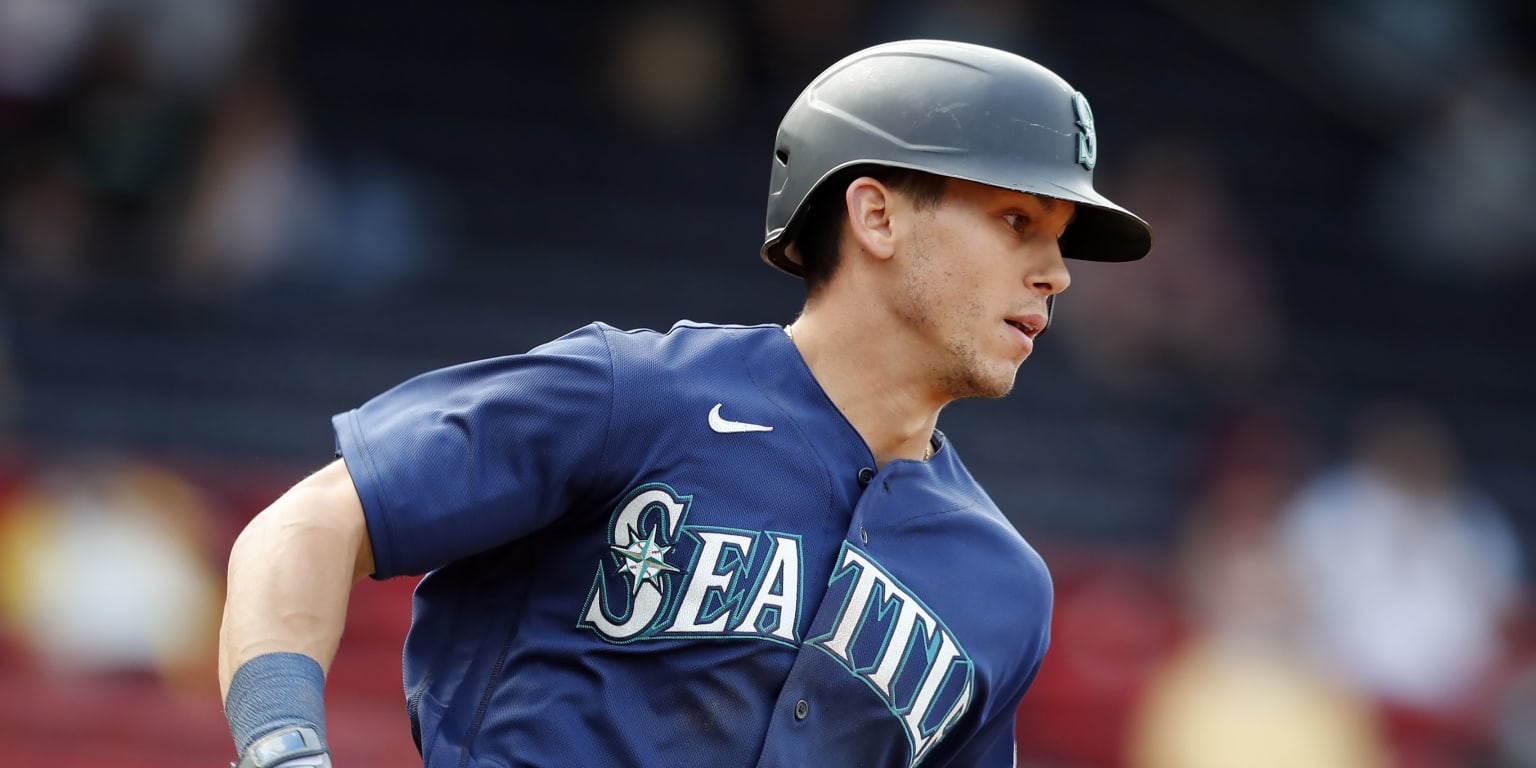
The decision to non-tender multiple high-profile players—and then add a smaller, more economical piece in Haggerty—reflects a growing trend in the Rangers’ strategy. After several seasons of heavy spending and aggressive roster-building efforts that culminated in a World Series championship, the organization appears ready to reset, rebalance, and possibly shift toward developing younger internal talent. Financially, parting with players projected for high arbitration salaries gives Texas more room to maneuver. It may also hint at larger plans for the upcoming offseason, including potential trades or selective free-agent additions designed to reshape the roster’s long-term structure.
This moment also marks a philosophical transition. Winning the World Series in 2023 created a window where keeping the core intact made sense. But as contracts escalated and performances leveled off or declined, the club faced a decision many championship teams eventually confront: continue investing heavily to run back the same group, or pivot early to avoid being saddled with burdensome deals. The Rangers chose the latter. While difficult and disappointing for fans, these moves may be aimed at avoiding a prolonged downturn and sustaining competitiveness in the seasons ahead.
![Alexander] SOURCE: Mariners OF Sam Haggerty is being non-tendered. : r/Mariners](https://external-preview.redd.it/alexander-source-mariners-of-sam-haggerty-is-being-non-v0-IwadCbGNL15-Z_toqy9XduLMk2ohW_0F7dWDZ1QCke8.jpg?width=640&crop=smart&auto=webp&s=8afcdbf0eb2cb1e34e3e79263b8fb630d9c370d3)
For García, Heim, Sborz, and Webb, the next chapter begins immediately. Given their track records, all four should generate interest on the open market. García, despite his recent struggles, remains one of the league’s most exciting power hitters. Heim’s defensive skills and leadership behind the plate make him a valuable asset for any pitching staff. Sborz’s postseason pedigree gives him appeal for teams looking to reinforce their bullpen. Webb’s steady contributions could also benefit several clubs seeking pitching depth.
For the Rangers, the question now becomes how they plan to fill the void left by these departures. With core pieces like Corey Seager and Marcus Semien still under contract, Texas remains competitive, but navigating the next phase of roster construction will be critical. Their approach this offseason—moving away from expensive veteran arbitration cases and adding a versatile, affordable player like Haggerty—may signal the beginning of a broader restructuring.
Even with the emotional weight of saying goodbye to several championship heroes, the Rangers seem committed to making decisions based on long-term sustainability rather than nostalgia. Moments like these often define the next decade of a franchise, and the front office appears confident in its direction. What comes next for Texas will shape not just the 2026 season but potentially the next era of Rangers baseball.