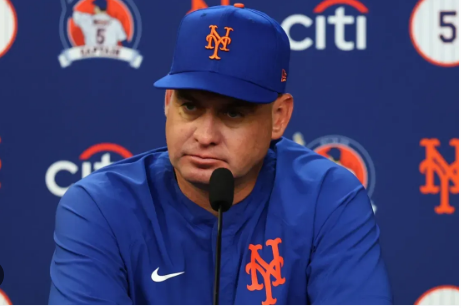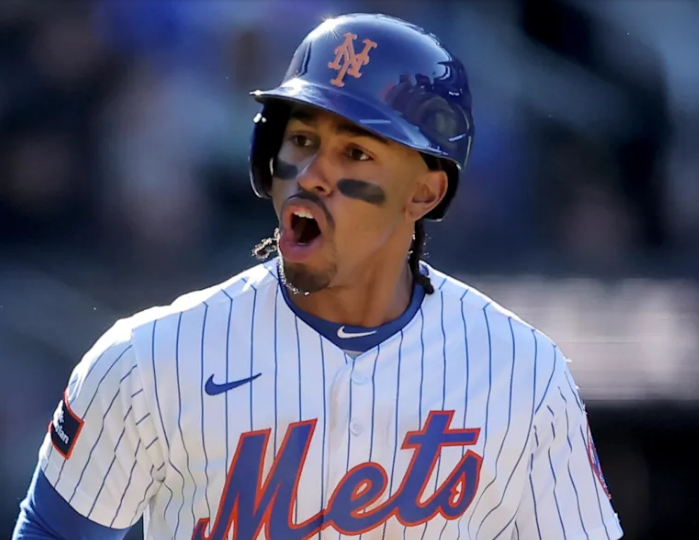

The New York Mets enter the 2026 season with high expectations after an aggressive offseason that reshaped parts of the roster, particularly the pitching staff. With the addition of Freddy Peralta and other rotation pieces, the spotlight will be firmly on the Mets’ starting rotation throughout spring training and into Opening Day. One pitcher who remains a key but somewhat uncertain figure in that mix is Kodai Senga.
Despite offseason trade rumors, Senga is still with the Mets as pitchers and catchers report to camp. While speculation swirled about whether New York might move him as part of a larger roster shuffle, no deal materialized. For now, that likely secures his place in the organization — but not necessarily without pressure.
When asked about his goals for the 2026 season, Senga offered a simple, candid four-word response: “To not get injured.”

That answer underscores the primary storyline surrounding him. After signing a five-year, $73 million contract before ever throwing a pitch in Major League Baseball, Senga quickly justified the investment with a strong 2023 campaign. At that point, the deal looked like a potential bargain. However, the following seasons have been less straightforward.
Injuries have disrupted his momentum. He was limited to just two starts in 2024, and while he managed to make 22 starts in 2025, durability and consistency became concerns. He posted a solid 3.02 ERA over 113.2 innings last season, but that number masks some late-season struggles. In August, Senga surrendered 19 earned runs over six starts, leading to a demotion to Triple-A Syracuse. A lingering calf injury kept him from pitching at all in September, raising further questions about his reliability down the stretch.
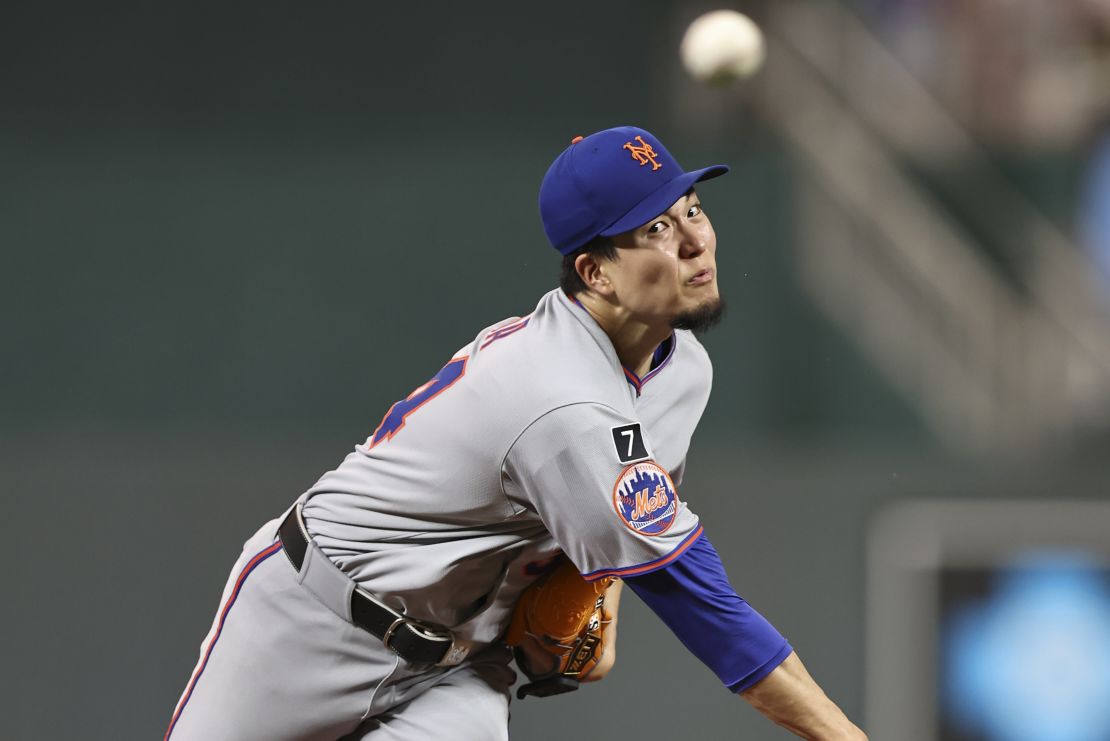
Now, entering 2026, Senga finds himself in a rotation that looks different and potentially more competitive. Freddy Peralta is expected to anchor the staff as the ace. Clay Holmes and David Peterson project as key rotation pieces as well. Nolan McLean appears poised to claim a role, and there is also internal discussion about stretching Tobias Myers acquired in the Peralta trade into a starting role.
That leaves Senga competing not only to stay healthy, but to firmly reestablish himself as a dependable mid-rotation arm. If he performs well and stays on the mound, he could slot comfortably as a fourth starter with upside. If injuries resurface or performance dips, the Mets now have alternatives.
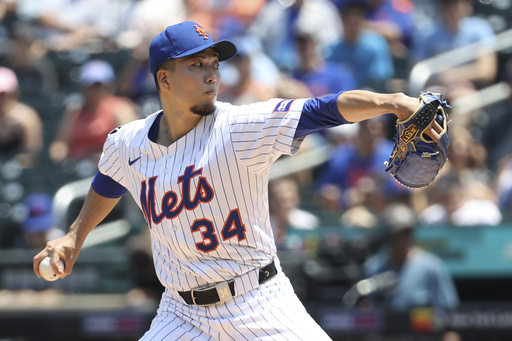
From a pure performance standpoint, Senga has shown he can succeed at the major league level. A 3.02 ERA across 22 starts is not insignificant, especially in a high-pressure market like New York. His splitter remains a swing-and-miss weapon when properly located, and when his fastball command is sharp, he can navigate lineups effectively. The concern is less about his ceiling and more about his availability and late-season consistency.
The Mets’ front office and coaching staff are likely aligned with Senga’s stated goal. A healthy Senga strengthens the depth of a rotation that aims to compete at a high level in 2026. Given the financial commitment already made to him, the organization would prefer internal improvement rather than seeking outside replacements.

Still, trade rumors rarely disappear entirely. If Senga struggles early or if another pitcher emerges, the Mets could revisit discussions, especially if they believe reallocating salary or adding a different type of arm better fits their long-term plans. For now, though, he remains in the fold and appears motivated to reset the narrative around his tenure in New York.
Spring training will be pivotal. It will offer Senga the opportunity to demonstrate durability, command, and rhythm before the regular season begins. In a rotation under scrutiny and built to contend, every start will matter.
Ultimately, Senga’s four-word answer captures both simplicity and stakes. If he can stay healthy, much of the rest may fall into place. For the Mets, a durable and effective Kodai Senga could be the difference between a good rotation and a formidable one.