
In the fast-moving world of Major League Baseball, roster decisions can come and go in the blink of an eye, and the New York Yankees proved that once again this week. The team added a former top prospect from their cross-town rivals, the Mets, while ending a short-lived experiment with a high-profile young power hitter. The move underscores the relentless nature of roster management in the Bronx and the Yankees’ ongoing quest to balance proven veterans, elite talent, and potential future stars.
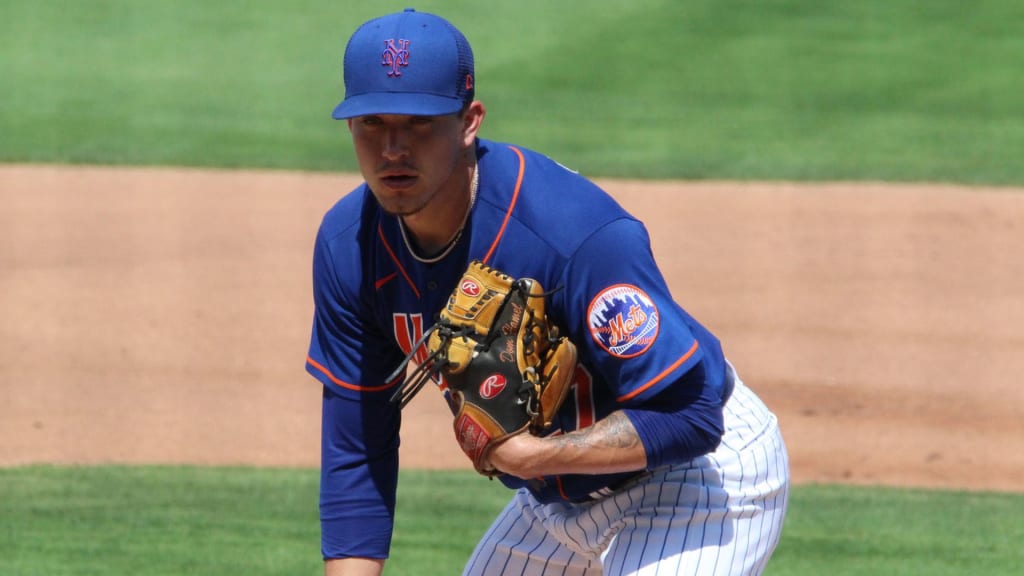
The centerpiece of this latest transaction is Dom Hamel, a 26-year-old right-handed pitcher who spent the early part of his professional career in the Mets organization. Hamel was drafted in the third round of the 2021 MLB Draft, quickly establishing himself as one of the Mets’ most promising arms in the minor leagues. In 2022, he earned Mets Minor League Pitcher of the Year honors, thanks to a dominant season that combined high strikeout totals with impressive command.
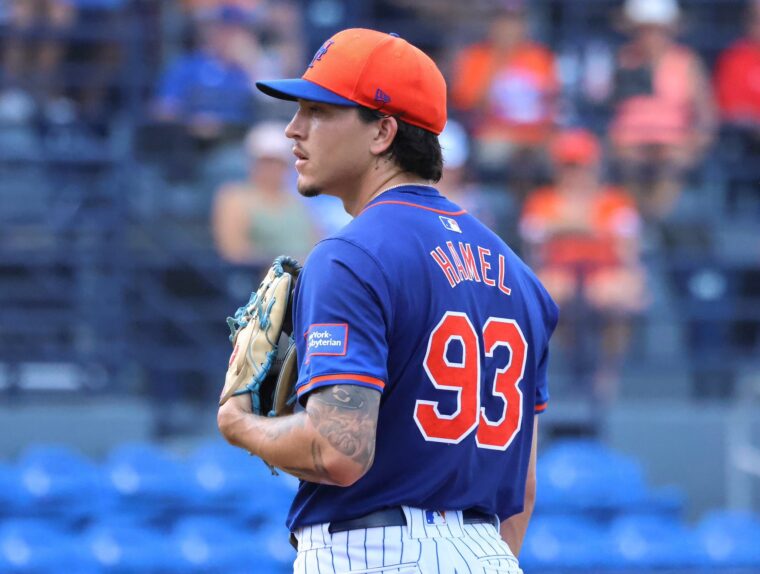
His ability to generate swings and misses while keeping his walks low made him a standout in the farm system, and the Yankees clearly saw the potential for him to contribute at the major league level.
To make room for Hamel on the 40-man roster, the Yankees moved swiftly, designating two players for assignment: infielder and outfielder Marco Luciano and left-handed pitcher Jayvien Sandridge. Luciano, once one of baseball’s most hyped prospects, had a brief tenure with the Yankees, lasting only seven days after the team claimed him off waivers. Once ranked as high as No. 12 on Baseball America’s Top 100 Prospects list, Luciano was viewed as a high-ceiling slugger with power potential.

Unfortunately, his major league results failed to match the hype; in 41 big-league games, he never hit a home run. With the Yankees now adding Hamel and finalizing other roster pieces, the organization opted to move on quickly from Luciano’s experiment, demonstrating the unforgiving nature of opportunity at the highest level.
Sandridge, a left-handed pitcher, also lost his roster spot. After a challenging MLB debut last season, the Yankees appeared to conclude that the organizational depth and immediate needs would be better served by other players. Both moves reflect the delicate balance the team must strike as it finalizes its 26-man roster for the season, especially with significant additions like Cody Bellinger in the mix.
Luciano’s release also marks the end of the Yankees’ brief experiment with a young power bat, highlighting just how competitive the environment in New York can be. Teams like the Yankees, with championship aspirations and high expectations, often have little patience for players who cannot immediately contribute at the major league level. While Luciano remains a talent with upside, the Yankees’ decision reflects the constant pressure on prospects to perform quickly or make way for others.
Hamel’s addition, meanwhile, represents a different kind of opportunity — one that emphasizes depth, upside, and the possibility of nurturing talent that has already demonstrated success in the minors. The Yankees now have a promising arm in their system who could contribute out of the bullpen or eventually develop into a rotation option. The move also demonstrates New York’s willingness to be opportunistic, adding a former top Mets prospect who could provide value both now and in the future.

The combination of roster flexibility, prospect management, and strategic acquisitions like this has long been a hallmark of the Yankees’ approach. Over the years, the organization has juggled veterans, high-priced free agents, and young talent in pursuit of a mix that can sustain success in a highly competitive league. Hamel represents the kind of addition that can pay dividends if properly developed, while Luciano’s departure serves as a reminder that not every prospect transition is smooth — especially under the pressure of the Yankees’ spotlight.
For fans, the rapid turnover may seem harsh, but it is standard practice for a franchise that expects to contend for championships each year. Moves like these also send signals to the rest of the organization: performance, readiness, and fit with team strategy are paramount. Even high-profile names with significant pedigree are subject to evaluation and change, and no player is guaranteed a long leash.
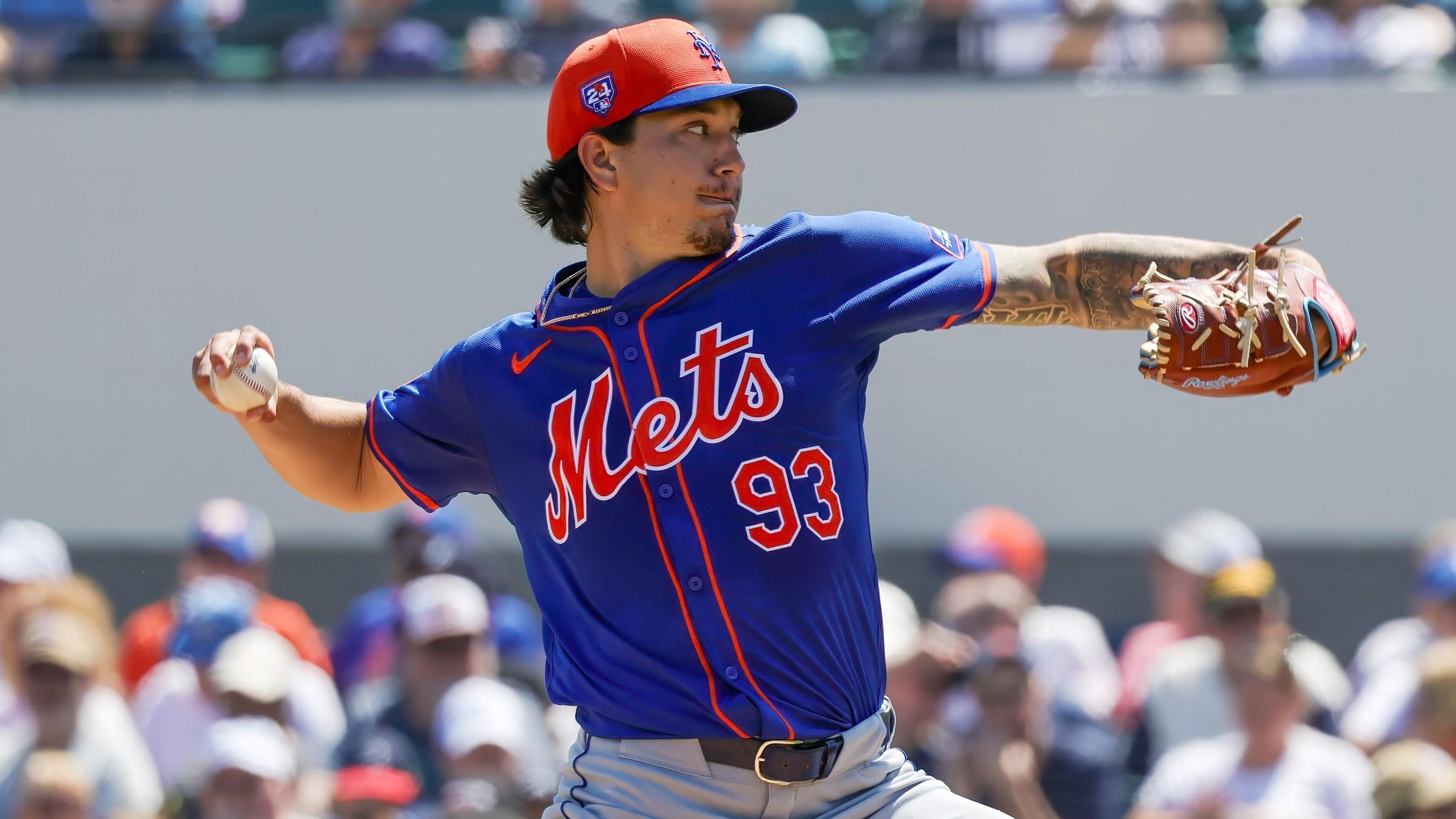
Looking ahead, Hamel’s trajectory with the Yankees will be closely watched. Can he translate his minor league dominance to consistent major league success? Will he emerge as a reliable bullpen piece or develop into a rotation option? The potential is there, but as with any prospect, development, opportunity, and timing will be key. Meanwhile, the Yankees continue to optimize their roster, preparing for a season where every decision can affect their pursuit of another championship run.

Ultimately, this latest series of moves underscores the dynamic and sometimes brutal nature of Major League Baseball roster management. Players like Hamel are added for their potential, while others like Luciano must confront the reality that talent alone is not always enough in a results-driven environment. The Yankees’ strategy is clear: assemble talent that can contribute immediately while maintaining depth for the future. It’s a delicate balancing act, one that requires constant evaluation and decisive action — just the kind of environment where only the best-prepared, most adaptable players thrive.