The Atlanta Braves are facing a major setback as shortstop Ha-Seong Kim is expected to miss four to five months following surgery to repair a torn tendon in his right middle finger, a procedure that will likely keep him out well into the 2026 season. Kim, 30, signed a one-year, $20 million contract with the Braves in December, returning to Atlanta after being claimed off waivers late in the 2025 season. His signing was viewed as a key piece in the team’s effort to stabilize a position that has been a weakness offensively and defensively over recent seasons. Kim’s absence leaves a significant gap in the Braves’ infield plans and presents a challenge for a team already navigating roster adjustments heading into Spring Training.
The injury reportedly occurred during the offseason while Kim was in South Korea, where he slipped on ice and sustained damage to his right hand. He returned to Atlanta for surgery, which was performed by Dr. Gary Lourie. The medical team has projected a recovery timeline of four to five months, meaning Kim is likely to miss Opening Day and much of the early portion of the regular season. While the Braves have not provided an exact timetable for his return, the expected window would allow for a potential midseason comeback if rehabilitation progresses as planned. The timing of the injury is particularly unfortunate, as Spring Training is approaching, and Kim was expected to be the everyday starter at shortstop, anchoring the middle infield and contributing offensively.
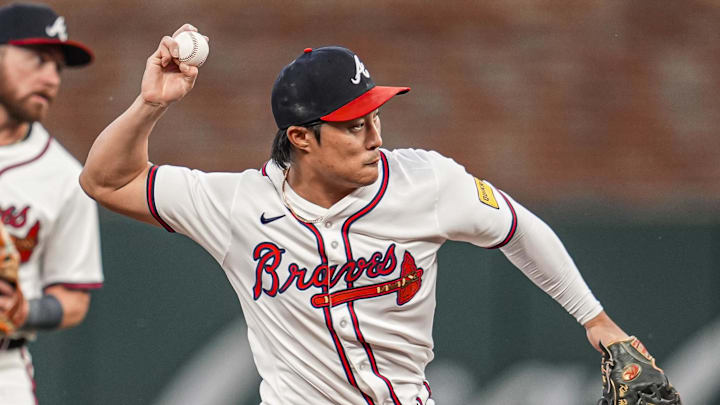
Kim appeared in 24 games for Atlanta following his September 2025 arrival, hitting .253 with three home runs and 12 RBIs while providing solid defensive performance at shortstop. Although his sample size was limited, he showed flashes of the speed, athleticism, and defensive instincts that make him a valuable player. Prior to returning to Atlanta, Kim had a productive 2023 season with the San Diego Padres, hitting 17 home runs and stealing 38 bases while also receiving praise for his defensive work. His combination of power, speed, and glove work made him one of the more attractive shortstop options available during the offseason, leading to his $20 million deal with the Braves. With that production now delayed, Atlanta’s infield will need to adjust quickly.

The Braves are expected to rely heavily on Mauricio Dubón, a versatile infielder acquired in the offseason, to cover shortstop duties in Kim’s absence. Dubón has experience as a utility player and can line up across multiple infield positions, providing flexibility for Atlanta’s roster while Kim recovers. Other internal options may also be considered, including infielders currently in the Braves’ Triple-A system. The organization may additionally explore trade or free-agent options to supplement depth at shortstop and across the infield, ensuring the team maintains competitiveness in the early portion of the season.
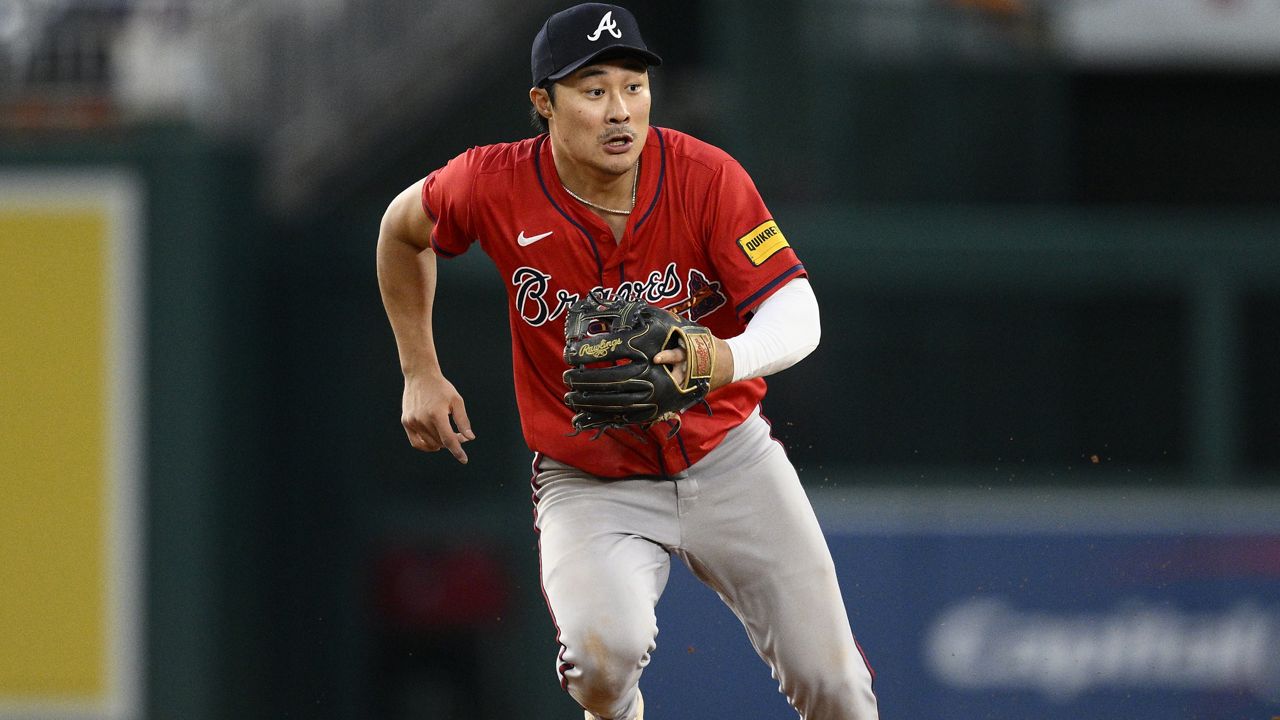
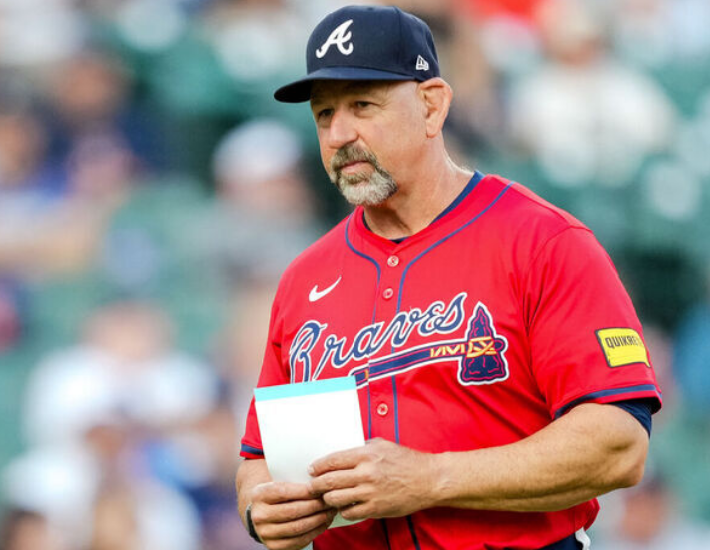
Manager Walt Weiss and the Braves coaching staff will need to reconfigure the infield and adjust their offensive strategy while Kim is sidelined. Kim’s absence represents one of the more impactful roster issues facing the team, as he was expected to provide stability at a premium defensive position and to contribute offensively up the middle. His signing was intended to help Atlanta balance a roster that has leaned heavily on pitching and power hitting, and the Braves will now need to find alternative ways to maintain the balance that Kim was expected to provide. The team’s front office will be closely monitoring potential options while also planning for his eventual reintegration into the lineup.
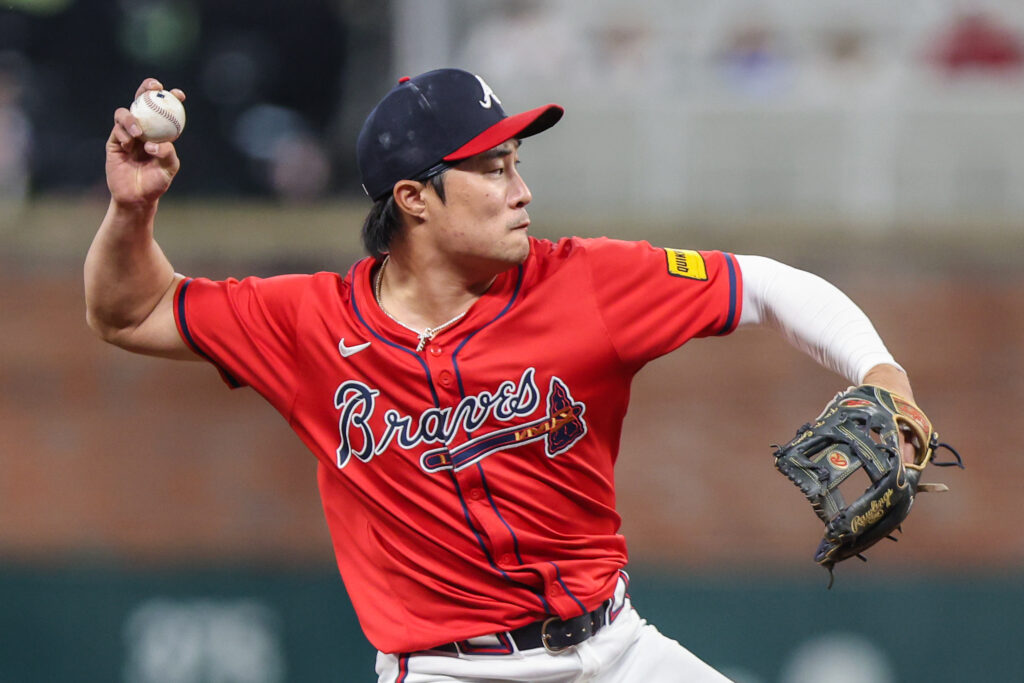
The Braves’ depth players, including Dubón and other infielders, will have an opportunity to step up and showcase their skills. Luke Waddell and other internal candidates could see increased playing time, while prospects in the minor league system may also get opportunities to prove themselves at the major league level. This could have long-term benefits for Atlanta, as players gain experience and confidence, even as the team navigates the short-term challenge of Kim’s absence. The Braves’ coaching staff will be tasked with balancing player development with the need to remain competitive in a division that features multiple strong offensive teams.
Kim’s rehabilitation process will be closely monitored, and the Braves’ medical staff will ensure he returns at full strength before resuming game action. A successful midseason return could provide a boost to Atlanta’s lineup, particularly as the team enters divisional play in the National League East, where every game is critical. Kim’s speed and ability to contribute both offensively and defensively will be especially important in high-leverage situations, and the Braves will hope to have him available for the stretch run if recovery goes according to plan.
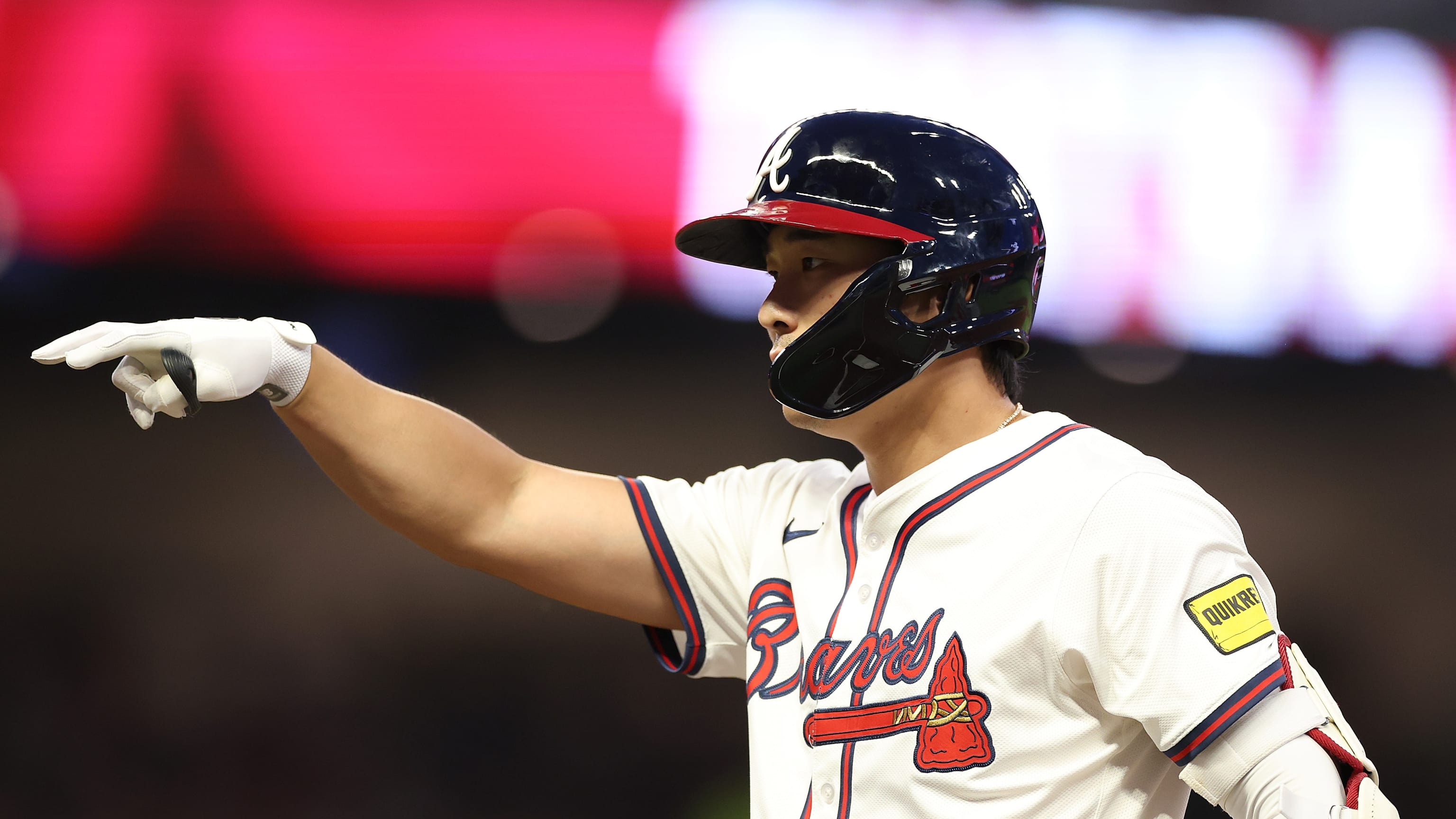
In the meantime, Atlanta’s front office may explore additional acquisitions or roster moves to mitigate the impact of losing a key contributor. The Braves have a strong farm system and flexible veterans who could temporarily fill the gap, but the absence of a player with Kim’s experience and skill set is notable. Analysts and fans alike will be watching closely to see how the team adjusts its strategy, both offensively and defensively, in response to this setback.
Kim’s journey to Atlanta has included a mix of highs and challenges. His 2023 performance with the Padres showcased his talent and potential as a dynamic shortstop, while his brief 2025 stint with the Braves hinted at the contributions he could provide if healthy. The $20 million investment reflects the team’s belief in his ability to be a key contributor, and the Braves remain committed to helping him recover fully. The organization and fanbase alike are hopeful that a midseason return will restore the balance and talent Kim was expected to provide at shortstop.
As the Braves prepare for Spring Training and the 2026 season, Kim’s injury will be a central focus. The team will need to adjust its infield rotation, develop depth options, and provide opportunities for other players to step up while planning for his eventual return. The combination of short-term challenges and long-term potential underscores the high stakes of his absence and the importance of his recovery.
In the context of the National League East, the Braves will face strong divisional opponents, including the Phillies, Mets, and Nationals, and maintaining competitiveness while missing a starting shortstop will test the team’s resilience. The Braves’ coaching staff and front office will need to be strategic, balancing player development, team performance, and roster flexibility as they navigate the early months of the season. If Kim returns midseason at full strength, he could provide the spark needed for Atlanta to remain in contention.
Ha-Seong Kim’s situation highlights the unpredictable nature of baseball and the importance of depth and flexibility in a major league roster. While his injury is a setback, it also provides an opportunity for other players to prove themselves and for the Braves to demonstrate their ability to adapt. Fans will be watching closely for updates on his recovery, roster adjustments, and the team’s performance in the first months of the season, with the hope that Kim’s return will ultimately strengthen Atlanta’s lineup.
The Braves now face a period of adjustment and anticipation as Kim undergoes rehabilitation and the team explores temporary solutions at shortstop. With his experience, athleticism, and prior performance, a healthy return could significantly bolster the team’s prospects in the National League East and provide a boost to both the infield and the lineup overall. Atlanta will rely on depth, strategy, and patience in the coming months, with the goal of returning to full strength once Kim is ready to play.