

The New York Mets enter this phase of the calendar in an unusual and uneasy position, one that feels unfamiliar for a franchise that has spent the last several years trying to buy certainty. The outfield, once a relative strength built on stability and depth, now looks more like a work in progress than a finished product. After the departures of Brandon Nimmo and Jeff McNeil, the Mets are left with Juan Soto as the lone proven, everyday offensive force on the grass. That reality alone has reshaped how rival executives, analysts, and fans view the roster as Opening Day approaches.
Soto’s presence changes the complexion of the lineup in obvious ways. Few hitters in baseball offer his combination of plate discipline, power, and consistency, and the Mets can reasonably expect him to anchor the offense regardless of who hits around him. At the same time, relying so heavily on one outfielder to carry production creates risk. Baseball seasons are long, pitchers adjust, and even elite hitters endure stretches where they are less dominant. For a team with championship aspirations, asking Soto to be not just the best hitter, but almost the only dependable outfield bat, feels like an unbalanced construction.

Internally, the Mets can point to younger players and complementary pieces as possible answers, but none carry the track record that typically defines a contender. That gap between ambition and current reality is why the trade market looms so large in conversations about the Mets’ immediate future. Around the league, there is a belief that the front office did not make its earlier moves simply to stop short of a more complete roster. Instead, those decisions may have been part of a broader reshuffling designed to create flexibility, both financially and in terms of prospect capital, for a more targeted strike.

Luis Robert Jr. has naturally emerged as one of the most intriguing names connected to that idea. At his best, Robert represents exactly what the Mets’ outfield lacks: a dynamic, two-way presence who can impact the game with power, speed, and defense. Few players can change the tone of a lineup as quickly as Robert when he is healthy and locked in. Pairing him with Soto would give the Mets a tandem capable of stressing opposing pitching staffs in very different ways, forcing teams to navigate patience and explosiveness in the same inning.
The appeal of Robert is also tied closely to his contract situation. With club options at $20 million per season over the next two years, he offers a level of cost certainty that is rare for a player with his ceiling. For a big-market team like the Mets, that number is not prohibitive, especially when weighed against the potential impact of acquiring an All-Star–caliber outfielder without committing to a long-term deal that stretches deep into the next decade. That structure aligns with a front office that appears intent on maintaining flexibility while still pushing aggressively to win now.
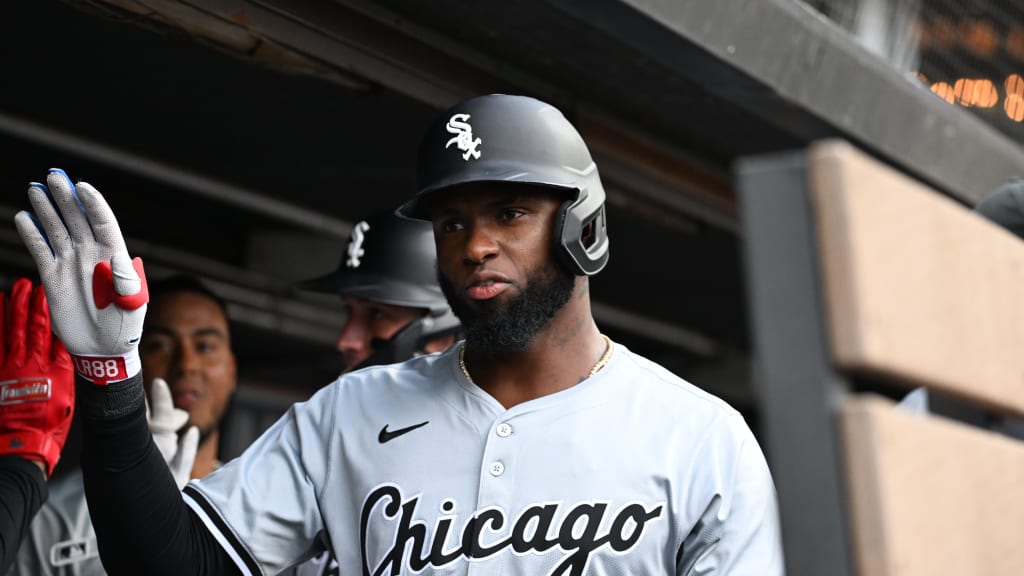
Of course, the concerns surrounding Robert are real and impossible to ignore. Injuries have interrupted his career often enough to make durability a central question in any trade discussion. For the Mets, who have already experienced the downside of betting on talent that struggles to stay on the field, that risk would need to be carefully balanced against the reward. Acquiring Robert would almost certainly require parting with high-end prospects or young major league talent, and the calculus becomes more complicated when availability is uncertain.

From Chicago’s perspective, the logic of listening on Robert makes sense. The White Sox are in a transitional phase, and moving a player with significant value but lingering health questions could be a way to accelerate a reset. If the Mets are serious, they would likely face competition from other teams with similar needs, which could drive up the asking price. That dynamic may explain why, for now, much of the discussion remains speculative rather than concrete.
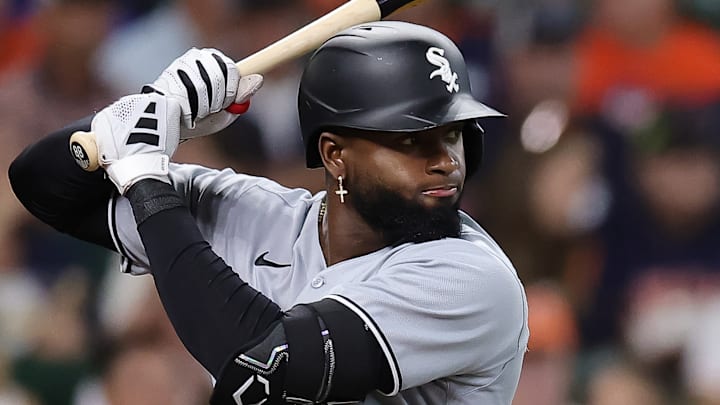
Still, speculation has a way of hardening into action as Opening Day draws closer. Teams become more honest about their weaknesses, and front offices feel increasing pressure to resolve obvious roster holes before games start to count. For the Mets, the outfield stands out as the most visible unresolved issue. Every spring lineup projection and depth chart reinforces the same conclusion: Soto needs help, and hoping internal options suddenly outperform expectations may not be enough.
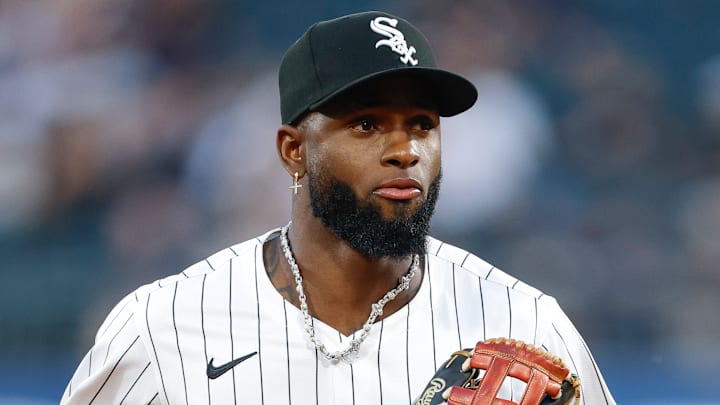
There is also a broader philosophical question at play. The Mets have signaled, through recent moves, that they are willing to be bold and unconventional. Trading established players and re-centering the roster around a generational talent like Soto suggests a willingness to reshape the team’s identity. The next step will define whether that reshaping is merely transitional or truly competitive. Adding another impact outfielder would send a clear message that the Mets are not content to wait for a perfect future window, but are instead committed to maximizing the present.

If a Robert trade does not materialize, the Mets could explore other avenues, whether that means targeting a different outfielder with a steadier health profile or making a shorter-term addition designed to stabilize the lineup without a massive prospect cost. Even so, Robert remains the name that best encapsulates the tension surrounding the Mets’ outfield: immense upside paired with undeniable risk, and a solution that could either elevate the team into true contention or complicate an already delicate balancing act.

As things stand, the Mets are a team defined by both clarity and uncertainty. The clarity lies in knowing that Juan Soto is the centerpiece and that his prime years offer a rare opportunity. The uncertainty lies in how aggressively the organization is willing to move to support him, and how much risk it is prepared to absorb in doing so. Over the coming weeks, as trade talks intensify and rosters take final shape, the outfield situation will remain one of the most closely watched storylines in baseball. Whether it ends with a headline-grabbing acquisition like Luis Robert Jr. or a quieter solution, the decision will reveal a great deal about where the Mets believe they truly stand in their pursuit of a championship.