The Atlanta Braves’ decision to bring back Tyler Kinley on a one-year deal for the 2026 season reflects a broader organizational belief in continuity, trust, and the value of late-blooming bullpen success. While the contract itself is modest by modern standards, the message behind it is significant. Atlanta clearly views Kinley’s second-half performance in 2025 not as a fluke, but as evidence that he fits what the team wants to be out of the bullpen moving forward.
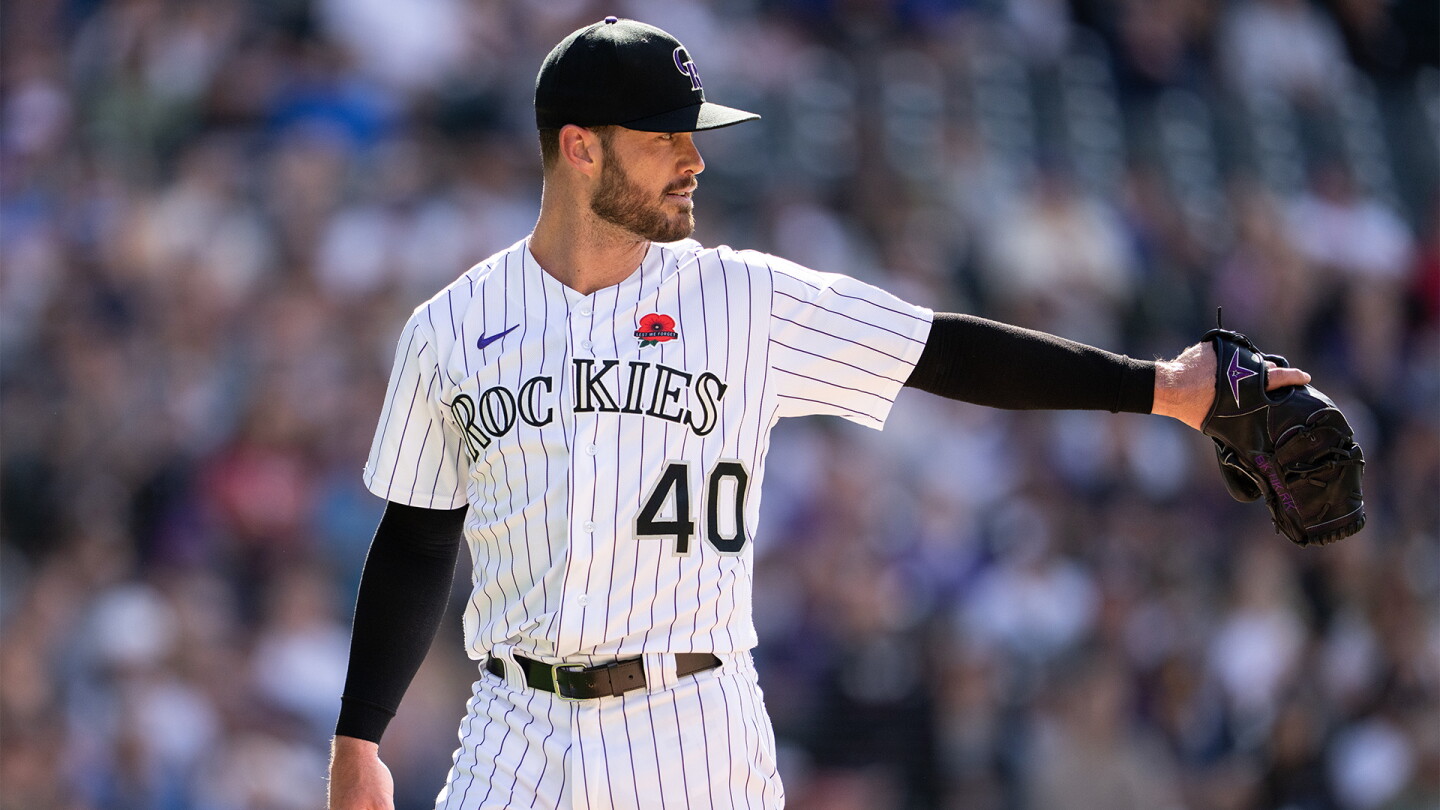
Kinley’s path to this point has been anything but linear. He opened the 2025 season with the Colorado Rockies and struggled mightily, posting a 5.66 ERA across 49 appearances. For a reliever in his mid-30s, that kind of performance can quickly raise questions about decline, role reduction, or even job security. Pitching in Colorado has long challenged relievers, and Kinley was no exception. Hard contact, inconsistent command, and difficulty finishing hitters defined his first half, and by midseason, the Rockies were willing to move on.

The trade to Atlanta before the deadline turned out to be a career-altering moment. With the Braves, Kinley looked rejuvenated. His stuff played up, his command sharpened, and his confidence appeared restored almost immediately. Over 24 appearances out of the Braves’ bullpen, he delivered a microscopic 0.72 ERA, becoming one of the most reliable arms manager Brian Snitker could call upon. That stretch wasn’t just good it was dominant, especially when viewed in the context of high-leverage situations and late-inning pressure.

For the Braves, this re-signing is about more than rewarding past performance. It is about reinforcing a bullpen identity that has become a quiet strength of the organization. Atlanta has consistently shown an ability to identify relievers who fit its pitching philosophy and help them maximize their strengths. Kinley’s success after arriving from Colorado fits that pattern. Whether it was mechanical tweaks, pitch usage changes, or simply pitching in a more structured, competitive environment, the Braves unlocked something that had been missing earlier in the year.

The structure of the contract reflects both confidence and caution. Kinley will earn $3 million in 2026, a reasonable figure for a veteran reliever coming off a strong finish but with recent inconsistency on his résumé. The club option for 2027, valued at $5.5 million with a $1.25 million buyout, gives Atlanta flexibility. If Kinley continues to perform at a high level, the Braves retain control at a price that would still be favorable in an inflated reliever market. If not, the buyout limits long-term risk.
This move also had immediate roster implications. To make room on the 40-man roster, the Braves designated left-handed reliever Ken Waldichuk for assignment. That decision underscores how competitive the bullpen picture has become in Atlanta. Waldichuk’s departure is less about his individual talent and more about the Braves prioritizing reliability and defined roles as they shape a relief corps built to support a championship-caliber team.

Looking ahead to 2026, the Braves’ bullpen projects as one of the deepest and most versatile units in baseball. Raisel Iglesias remains entrenched as the closer, providing stability at the back end. His track record and consistency give Atlanta confidence that most games entering the ninth inning will be firmly under control. Behind him, the offseason signing of Robert Suarez adds another high-octane arm with closing experience. While Suarez may occasionally step into the ninth when Iglesias is unavailable, his primary role as a setup man gives the Braves an elite option in the eighth inning.
Within that context, Kinley’s role becomes both flexible and valuable. While he may see some setup opportunities, particularly during stretches of heavy usage for Iglesias or Suarez, he is expected to handle middle relief duties for the most part. That role often goes underappreciated, but it is essential over the course of a 162-game season. Middle relievers bridge the gap between starters and late-inning arms, absorbing high-volume innings while maintaining competitive leverage. Kinley’s ability to do that effectively in 2025 is a major reason the Braves were eager to bring him back.
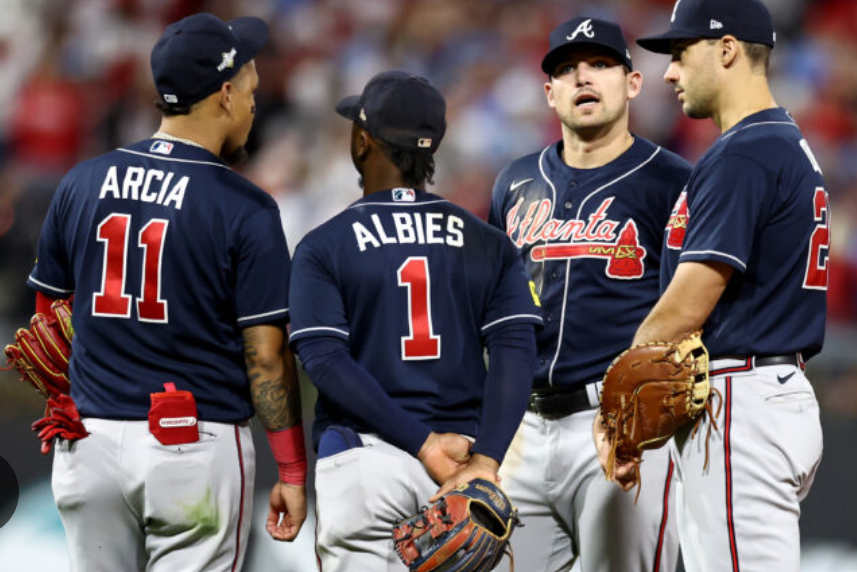
The rest of the bullpen rounds out nicely with arms like Dylan Lee, Aaron Bummer, and Grant Holmes. Each offers a different look, whether it be handedness, pitch mix, or situational usage. This diversity allows the Braves to match up effectively against a wide range of opposing lineups, reducing the strain on any single pitcher. It also gives the coaching staff flexibility to adapt game plans based on opponent, ballpark, and workload.
From a broader perspective, the Braves’ focus on bullpen strength speaks to a modern understanding of how championships are won. While offense and starting pitching still draw most of the headlines, postseason success often hinges on bullpen execution. Tight games, short hooks for starters, and high-leverage moments magnify the importance of dependable relievers. Atlanta’s recent moves suggest a deliberate effort to ensure that weakness does not derail a contending roster.

Kinley’s re-signing also carries a human element. At 34 years old, he has earned another opportunity to prove that his late-2025 surge was not an anomaly. Returning to a familiar environment, with coaches and teammates who trust him, gives him a chance to build on that momentum rather than starting over elsewhere. For a veteran reliever, comfort and clarity of role can make a meaningful difference in performance.
Ultimately, this deal fits neatly into the Braves’ broader plan for 2026. It is not flashy, but it is purposeful. Atlanta is betting that what it saw from Tyler Kinley in the second half of last season is real and sustainable. If that belief proves correct, the Braves will have secured a reliable bullpen piece at a reasonable cost, further solidifying a relief core that already looks formidable. In a season where margins are thin and depth often determines success, keeping Kinley in the fold could quietly pay significant dividends.