
The Chicago Cubs have been active in shaping their roster during the offseason, and one of their most significant moves came when they acquired Edward Cabrera in a trade that added another talented arm to their pitching staff. Cabrera, a promising pitcher with experience in high-leverage situations, was expected to bolster the Cubs’ rotation and provide stability in an area that has often been inconsistent in recent years. While the acquisition of Cabrera is a step in the right direction for the Cubs, it has also highlighted a pressing need elsewhere on the team, specifically in replacing the bat of Kyle Tucker, who appears likely to depart this offseason. Tucker’s exit leaves a gap in the Cubs’ lineup that cannot easily be filled by internal options alone, making the search for a replacement a top priority for the organization as they look to remain competitive in a highly contested National League Central division.

Tucker has been a cornerstone of the Cubs’ offense, offering a combination of power, plate discipline, and consistent production that has made him one of the more valuable players on the roster. His potential departure not only affects the team’s run production but also creates a vacuum in the middle of the lineup, a spot that typically serves as a driving force for generating offense. Replacing a player of Tucker’s caliber is never straightforward, and the Cubs front office will need to carefully evaluate all available options to find a suitable solution that addresses both short-term needs and long-term planning. The team’s management is likely considering multiple approaches, including trade options, internal promotions, and free-agent signings, each with its own set of advantages and challenges.

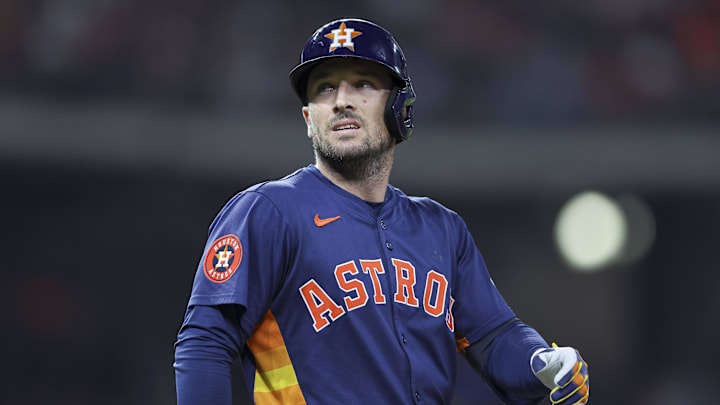
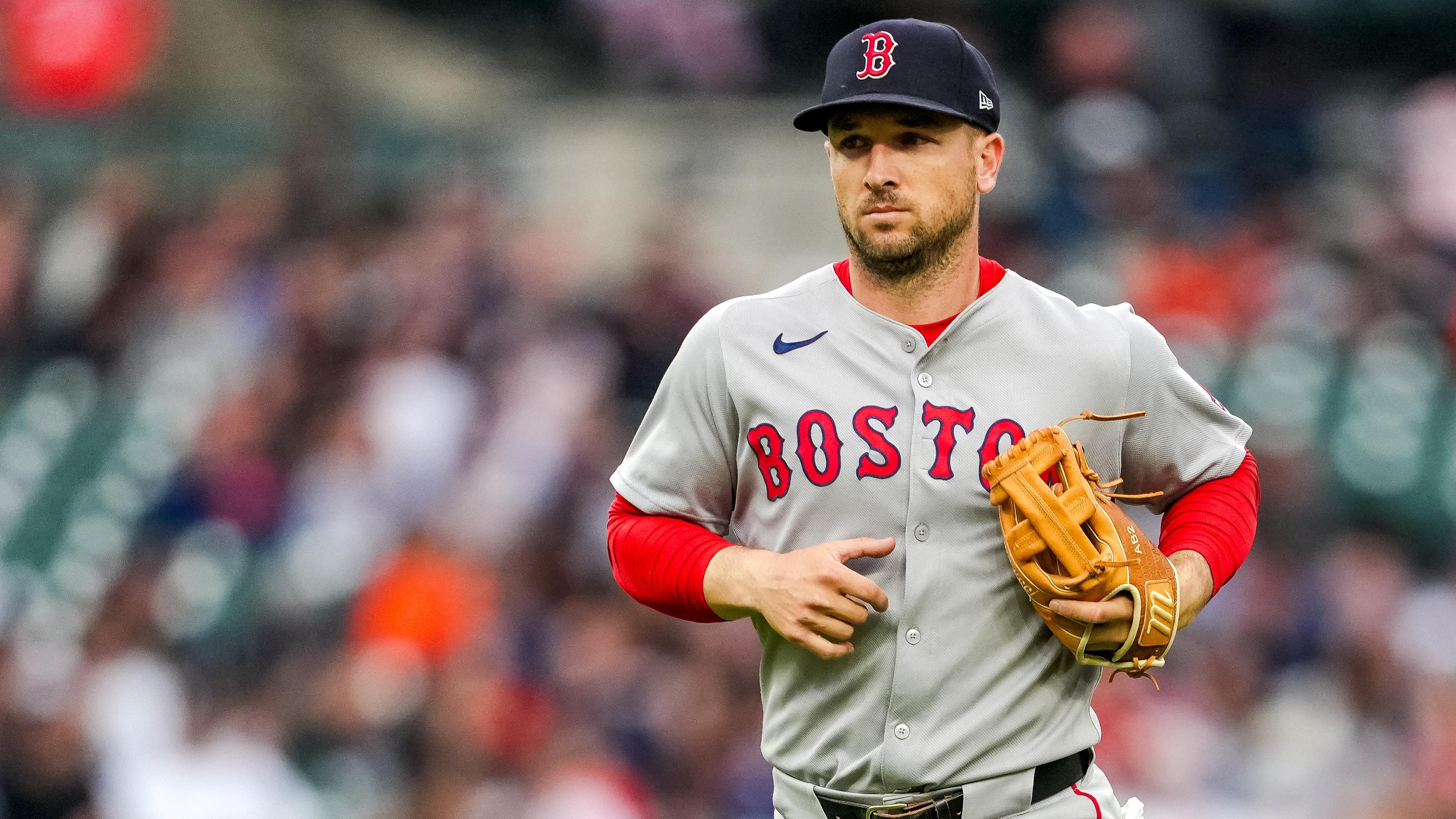
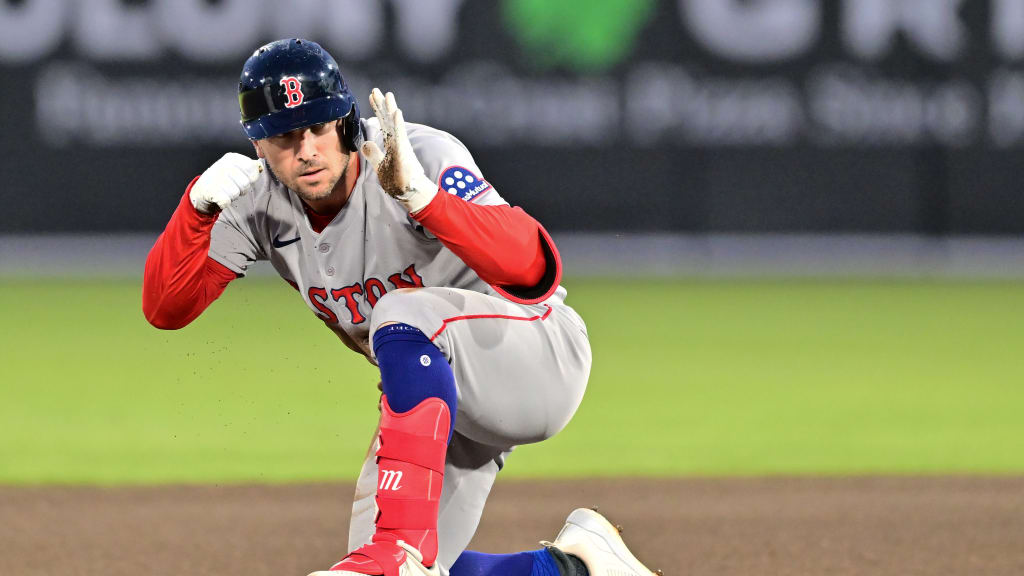
One avenue that has gained particular attention is the pursuit of a high-profile free agent who can immediately contribute at a level comparable to or exceeding what Tucker provided. According to Robert Murray of Fansided, the Cubs should seriously consider targeting Alex Bregman, a two-time World Series champion and three-time All-Star. Bregman brings with him not only a proven track record of offensive production but also valuable postseason experience and leadership qualities that can benefit a clubhouse seeking to maintain a competitive edge. Signing a player of Bregman’s caliber would provide an immediate boost to the lineup and send a message to fans and competitors alike that the Cubs are committed to building a roster capable of contending for a championship.
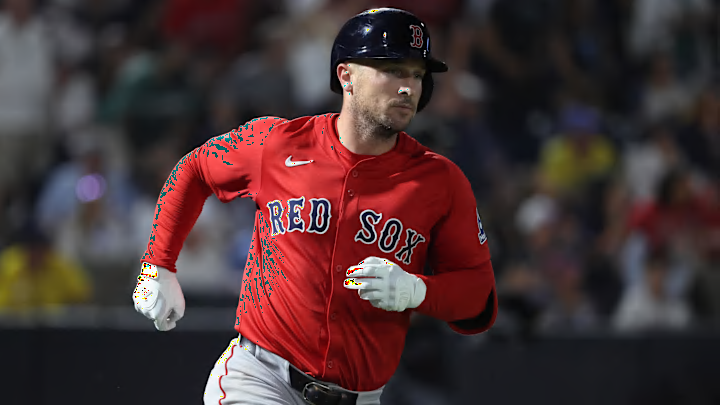
Bregman’s career accomplishments make him an attractive candidate for any team in need of offensive reinforcement. Over the course of his major league tenure, he has demonstrated exceptional consistency at the plate, combining power, contact ability, and situational hitting to produce strong overall numbers. His ability to perform in high-pressure situations, particularly during the postseason, adds an extra layer of value that is difficult to quantify but highly sought after by teams with championship aspirations. For the Cubs, who are seeking to replace a player like Tucker, Bregman represents an opportunity to add both talent and experience, ensuring that the team remains competitive while also creating a foundation for long-term success.

Financial considerations will play a critical role in any potential pursuit of Bregman. As one of the last remaining high-profile free agents on the market, Bregman is expected to command a significant contract that reflects his production and pedigree. The Cubs’ front office will need to weigh the cost against the potential impact on the team’s payroll flexibility and long-term planning. Balancing immediate needs with sustainable roster construction is a challenge that has confronted many teams in similar situations, and the Cubs will need to carefully navigate this process to ensure that any acquisition does not hinder future flexibility or opportunities to address other areas of need.
In addition to the financial implications, the Cubs will need to assess Bregman’s fit within the existing roster. Integrating a player of his caliber requires consideration of lineup construction, defensive alignment, and clubhouse dynamics. Bregman’s experience as a leader and seasoned competitor could provide intangible benefits, helping to mentor younger players and fostering a culture of professionalism and accountability. His presence could also alleviate pressure on other key hitters by providing protection in the lineup and creating additional run-producing opportunities. For a team seeking to maintain momentum in a competitive division, these factors are nearly as important as raw statistical output.
The pursuit of Bregman also underscores the broader strategy the Cubs are employing in the offseason. By focusing on high-impact additions, whether through trades, free-agent signings, or internal promotions, the organization is signaling its intent to compete immediately while also considering the long-term health of the roster. The acquisition of Cabrera demonstrates a commitment to pitching depth, while the potential addition of Bregman would balance that focus with offensive reinforcement. Together, these moves reflect a comprehensive approach to roster building that addresses multiple facets of the game, from run prevention to production, leadership, and overall team cohesion.
Analysts and fans alike will be watching closely to see how the Cubs navigate this critical period. The offseason provides a window of opportunity to reshape the roster, address weaknesses, and position the team for success in the upcoming season. Decisions regarding players like Tucker and potential acquisitions such as Bregman carry significant implications, not only for on-field performance but also for the organization’s reputation and strategic direction. A successful signing or trade could reinvigorate the fan base, strengthen the team’s competitive position, and establish a blueprint for future success. Conversely, missteps or missed opportunities could leave the Cubs struggling to fill gaps and competing from a position of disadvantage in a highly competitive division.
Ultimately, the Cubs’ offseason moves are about more than individual players; they reflect an organizational philosophy aimed at building a well-rounded, competitive team. The combination of acquiring Edward Cabrera and pursuing a player like Alex Bregman demonstrates a willingness to be proactive in addressing needs while balancing the realities of payroll, roster flexibility, and long-term planning. While the departure of Kyle Tucker would be a challenge to overcome, it also presents an opportunity for the organization to reimagine the roster and strategically add talent that complements the existing core. The decisions made in the coming weeks will shape the team’s trajectory and have lasting implications for its performance in the 2026 season and beyond.

For Cubs fans, the prospect of adding a player like Bregman is exciting, offering the promise of a potent bat, veteran leadership, and championship experience. Combined with strategic moves in the pitching staff, these acquisitions could position the Cubs as a legitimate contender, capable of competing at a high level in both the regular season and the playoffs. While the offseason remains fluid and subject to change, the discussions surrounding Bregman, Tucker, and Cabrera highlight the dynamic nature of roster construction in modern baseball and the careful considerations required to build a team that is both competitive today and sustainable for the future.