
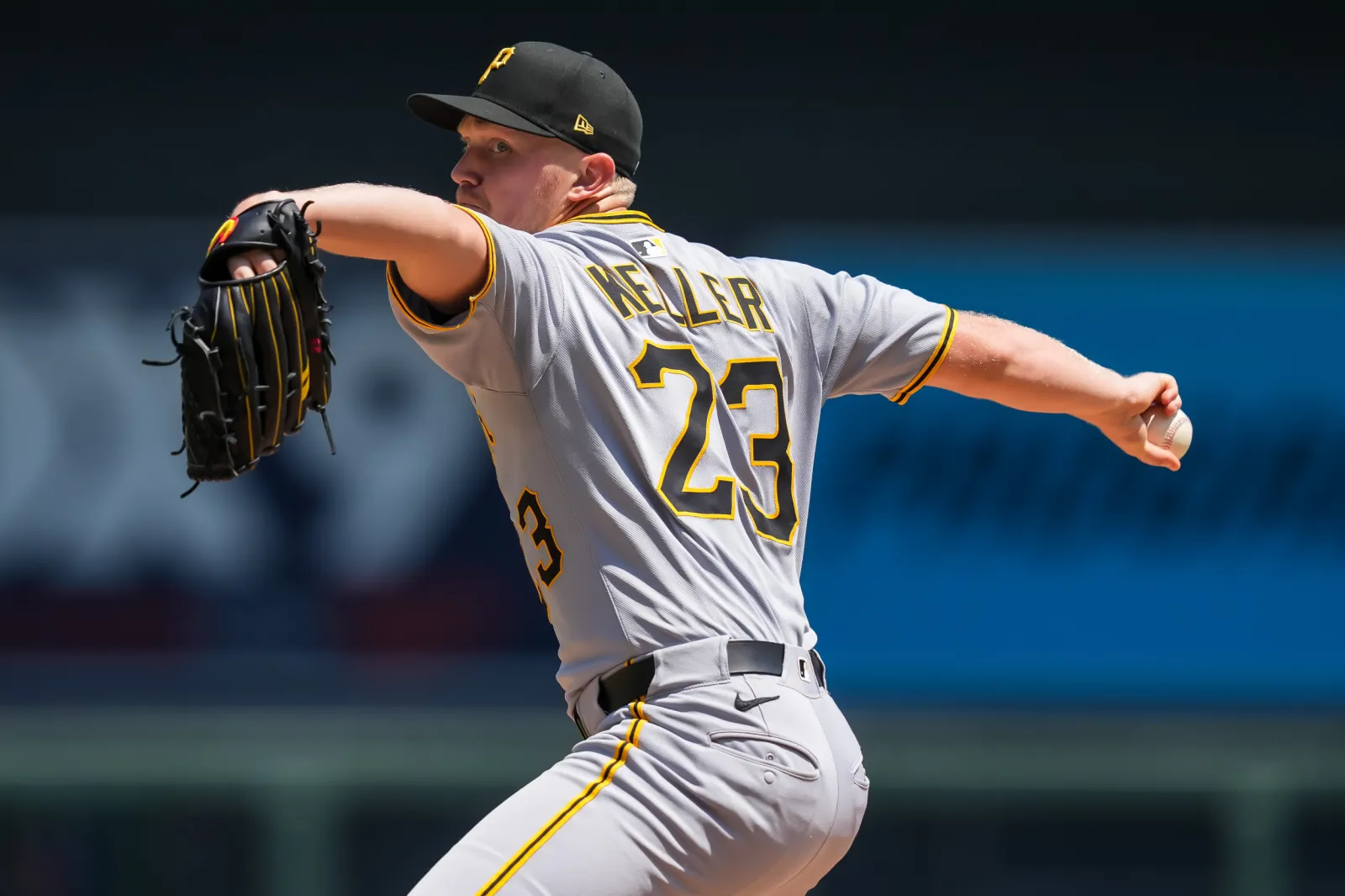
There has been a growing buzz in Major League Baseball circles surrounding the Pittsburgh Pirates and their offseason plans, particularly concerning the status of one of their most notable starting pitchers, Mitch Keller. While nothing has been confirmed, multiple reports and insider speculation suggest that the Pirates could explore the possibility of trading Keller as they continue to evaluate their roster heading into the 2026 season.
The discussion around Keller is not unexpected; he has been one of the more prominent arms in the Pirates’ rotation, and his combination of experience, talent, and production makes him a potential asset for teams looking to strengthen their starting rotation. In many ways, Keller represents a unique profile in today’s market a pitcher who is established, productive, and still young enough to have significant upside, yet comes with a contract that requires careful consideration. For a team like the Pittsburgh Pirates, which is balancing the goal of remaining competitive with the need to manage payroll and future flexibility, a trade of this nature could serve multiple purposes.
Among the teams reportedly monitoring the situation, the Atlanta Braves have emerged as a natural suitor for Mitch Keller should a trade become viable. Atlanta’s rotation has shown flashes of strength, but it remains an area of focus for the front office. General Manager Alex Anthopoulos has publicly acknowledged the need to add another impact arm, signaling to fans and analysts alike that the Braves are in the market for starting pitching upgrades, whether through free agency or trade.
Keller’s profile fits this description well. He offers more consistent production than many free-agent pitchers currently available on the market and would provide immediate reinforcement to a rotation that aims to contend at the highest level. Unlike some free-agent alternatives that may come with high price tags or untested performance histories, Keller’s track record in the major leagues is well-documented, allowing a team like Atlanta to gauge potential contributions with a higher degree of certainty.
The financial aspect of any potential deal is an important factor in these discussions. Mitch Keller’s contract, while notable, is not prohibitive for a team willing to invest in pitching depth. Comparatively, the cost of acquiring Keller is roughly in line with what the Braves might expect to pay for a similar-caliber starter on the open market.
 This makes him an appealing option for a team looking to maximize production relative to financial commitment. Furthermore, Keller brings with him a skill set that could immediately slot into the Braves’ rotation, potentially allowing the team to address multiple needs simultaneously. A trade for Keller could offer more than just pitching depth; it could be a strategic maneuver that strengthens the team’s competitiveness while positioning the roster for sustained success.
While trade discussions are inherently speculative until formal agreements are reached, the fact that Keller is being discussed in this context underscores his value across the league. It is worth noting that Keller has consistently demonstrated the qualities teams seek in a starting pitcher: command of multiple pitches, the ability to handle high-leverage innings, and durability over a full major league season.
 These attributes make him a versatile option for any rotation, whether as a mid-rotation workhorse or as part of a strategy to stabilize the back end of a pitching staff. The Braves, in particular, could benefit from Keller’s combination of experience and potential upside, providing them with flexibility in managing innings, matchups, and overall team performance over a long season.
The broader context of the offseason also plays a role in understanding why Keller has become a focal point of speculation. Teams across the league are actively looking to improve, and the market for pitching continues to be competitive. For the Pirates, trading Keller could align with a strategy of acquiring young talent or prospects that fit into their rebuilding timeline.
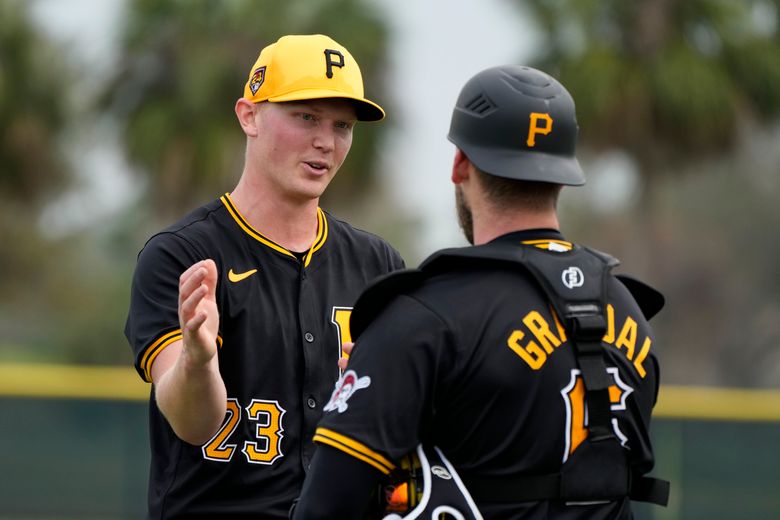 For the Braves, acquiring Keller would represent a calculated move to immediately enhance their rotation without overcommitting to long-term, untested free agents. The dynamic between these two organizations highlights the complexity of modern baseball transactions, where player performance, contract terms, team needs, and long-term strategy must all be weighed simultaneously.
In addition to the practical considerations, there is also a human element to any potential trade. Mitch Keller has been a recognizable figure in Pittsburgh’s rotation, and any move involving him would likely attract significant attention from fans and media alike. Trades of high-profile players often carry emotional weight, particularly for loyal supporters who have followed a player’s career closely.
 Balancing these considerations with the strategic needs of the organization is a challenge that front offices must navigate carefully. For Atlanta, acquiring Keller could signal a commitment to strengthening the team’s core while sending a message to the league that they are serious about competing at the highest level.
Analysts examining the situation have noted that the timing of such a trade, if it occurs, would be critical. Offseason moves allow teams to prepare for spring training and plan rotations well in advance of the season, giving new acquisitions time to integrate into the clubhouse, learn team dynamics, and familiarize themselves with coaching strategies.
 For Keller, joining a team like Atlanta could present an opportunity to contribute immediately in meaningful ways, while also positioning himself for potential future contracts or extensions based on performance. The intersection of opportunity, talent, and timing makes the prospect of a Keller trade both intriguing and strategically significant.
Ultimately, the speculation surrounding Mitch Keller reflects broader trends in Major League Baseball, where teams are constantly balancing short-term competitiveness with long-term sustainability.
 The Pirates must weigh the potential benefits of trading an established starter against the value of maintaining stability within their rotation, while the Braves must evaluate how Keller fits into their rotation, budget, and championship aspirations. The interplay between these considerations will likely drive discussions and negotiations as the offseason progresses, with multiple scenarios possible depending on performance, interest from other teams, and evolving roster needs.
While fans await official confirmation, it is clear that Mitch Keller remains a player of significant interest, both for his on-field abilities and for his potential to influence team strategies in meaningful ways.\
 Whether a trade materializes or not, the ongoing discussions highlight the importance of pitching acquisitions in shaping competitive teams and the careful considerations that front offices undertake in pursuing those goals. For Pittsburgh, Atlanta, and baseball fans everywhere, the next few months could provide clarity on Keller’s future, offering insight into how teams navigate the intricate balance between talent, contract management, and long-term planning.