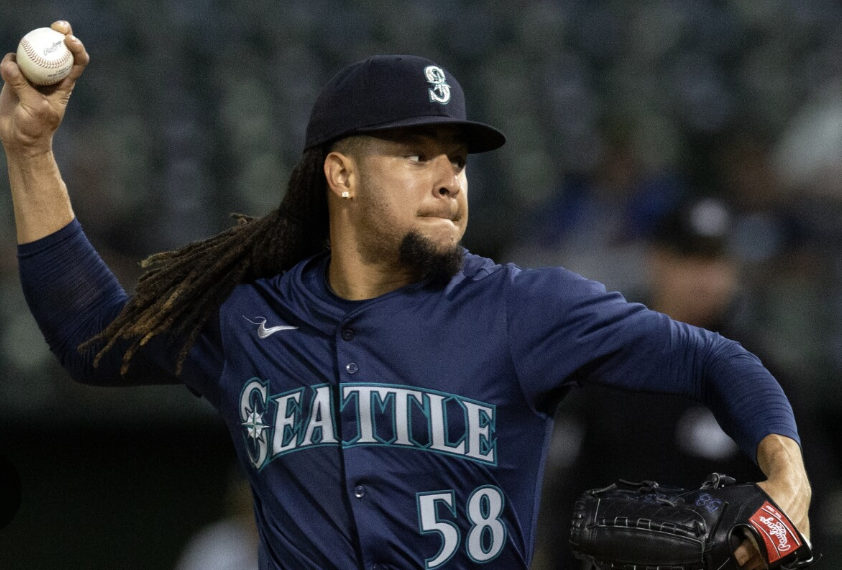

The Seattle Mariners opened their offseason with a decisive move, securing first baseman Josh Naylor on a new deal that ensures his presence in the heart of the lineup for years to come. Re-signing Naylor checked one of the club’s most important boxes before free agency had fully taken shape, giving Seattle both a cleanup-caliber bat and a centerpiece around which they can continue building an offense that saw signs of life late in the 2025 season.
But even with Naylor locked in, the Mariners’ work is far from complete. Two other key in-house free agents, Eugenio Suárez and Jorge Polanco, remain without contracts as the winter market begins to stretch its legs. While Seattle has not slammed the door on bringing both back, early indicators from around the league suggest that Polanco is the more likely candidate to return to T-Mobile Park. Suárez, meanwhile, appears poised to draw significant attention from teams looking for a reliable veteran at a position with relatively thin depth this offseason.
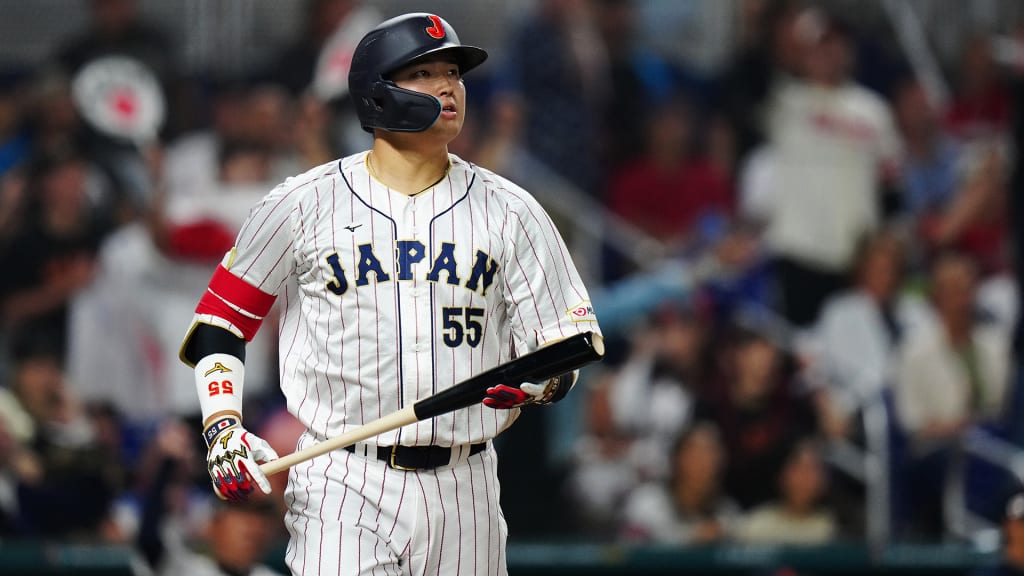
Polanco’s situation is easier to read. Despite dealing with injuries in recent seasons, he remains a productive and versatile switch-hitter when healthy, capable of providing strong at-bats from either side of the plate and offering defensive flexibility between second base and third. Given that the Mariners value switch hitters and players who control the zone well, Polanco fits a clear mold. His return would help stabilize Seattle’s infield and maintain continuity for an offense that has needed stability for several years.
Suárez, on the other hand, represents a more complex decision. The veteran third baseman has been a fixture at the hot corner for Seattle, providing power, leadership, and durability. His down years have sometimes been dramatically down, and his strong years have often been true difference-makers. That volatility, paired with his age and projected market value, may nudge the Mariners toward exploring external options. If Suárez does depart, it will leave a vacancy the team must address — and quickly.
Fortunately for Seattle, the current market offers an intriguing array of third base options, some established and some emerging. While the Mariners have not publicly named any specific targets, industry chatter suggests they are monitoring several candidates who could step in as an everyday or near-everyday third baseman.
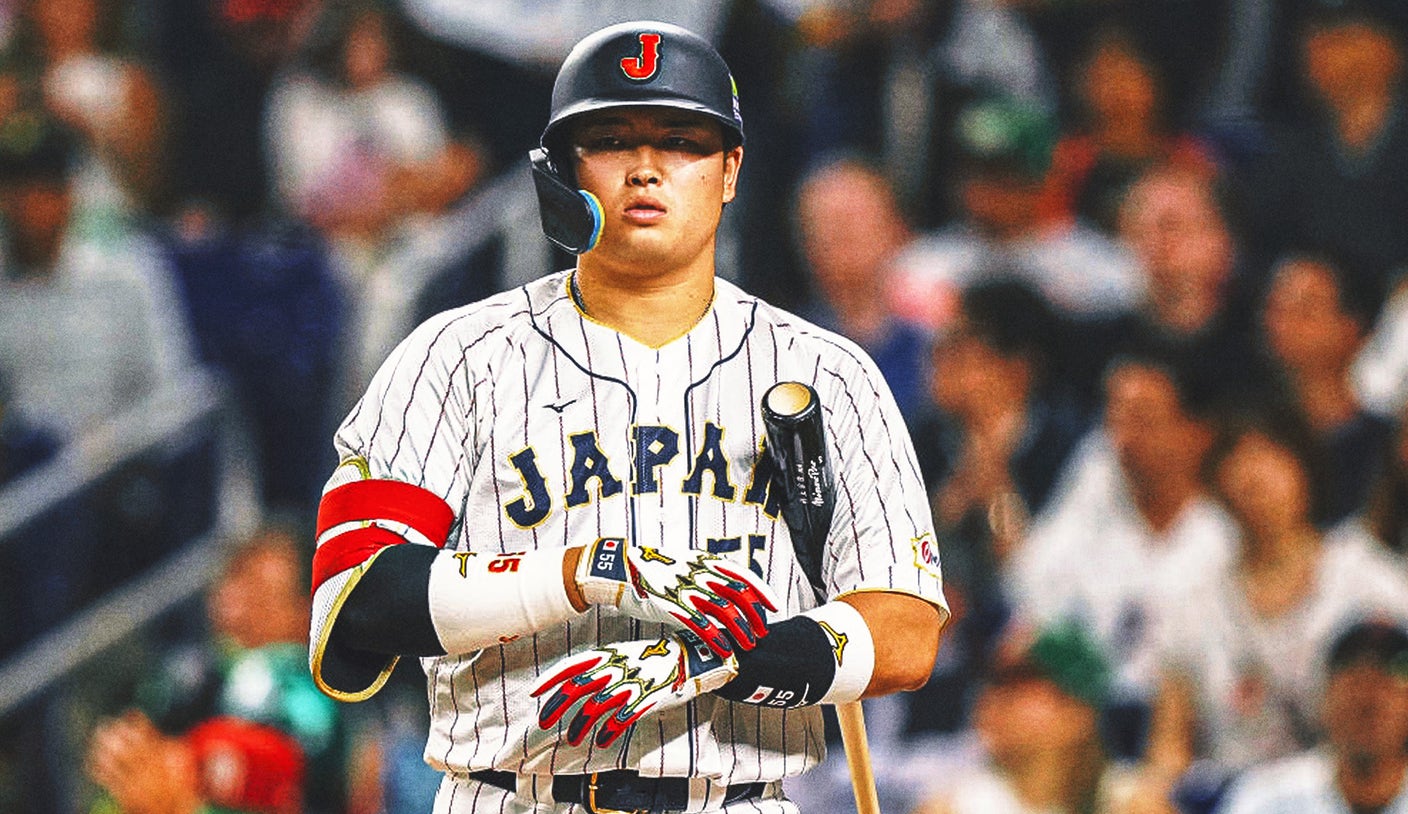
The team has shown a growing preference for players who combine power with on-base strength, and who fit the organization’s philosophy of grinding at-bats, minimizing strikeouts, and playing capable defense. That description narrows the field, but not dramatically, and Seattle’s front office has become known for identifying undervalued players before they generate widespread interest.
What complicates the situation further is the structure of the Mariners’ current roster. With Julio Rodríguez, Josh Naylor, and Cal Raleigh forming the core of the lineup, Seattle has the makings of a formidable offensive spine. However, the surrounding pieces require careful construction. Too often in recent seasons, the Mariners have relied heavily on streaky sluggers or low-OBP hitters who swing through too many pitches in high-leverage moments.

Dipoto and Hollander have hinted repeatedly that they want more “length” in the lineup — meaning fewer easy outs and more hitters capable of working counts and wearing down opposing starters. The next third baseman must reflect that philosophy.
This makes the upcoming decision not merely a matter of filling a positional hole, but a choice that could influence the entire shape of the Mariners’ roster. If Seattle opts to replace Suárez with a younger and more contact-oriented player, it could shift the way they build their bench and supporting offensive cast. If they choose another veteran slugger, the team will need to ensure the rest of the lineup is balanced with contact hitters who can mitigate strikeout-heavy stretches.
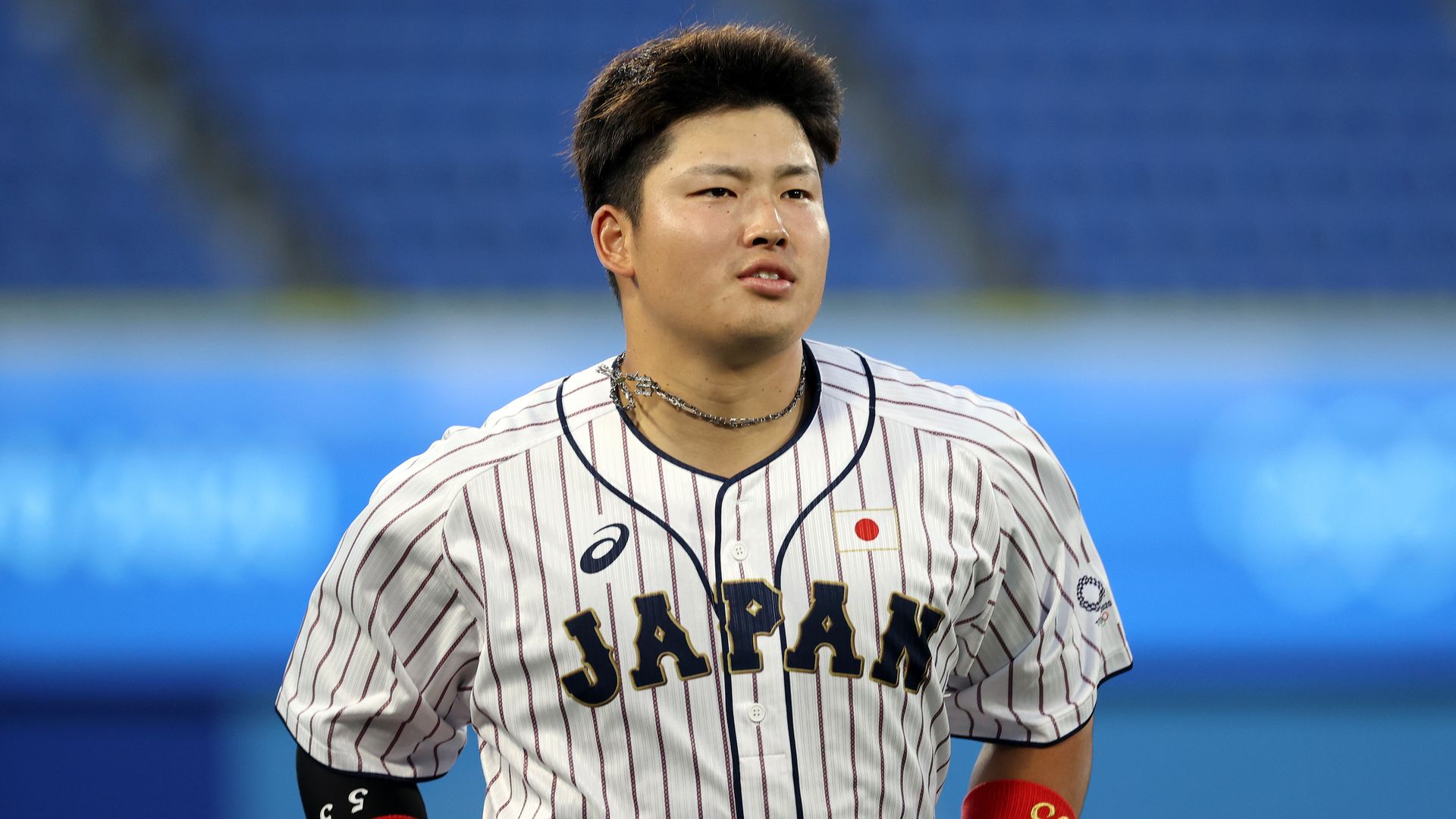
There is also the matter of defense. Suárez, for all his occasional issues at the plate, has generally graded out as a dependable defender at third base. Replacing him requires not just offensive consideration but a clear evaluation of defensive fit. The Mariners’ pitching staff, which includes strike throwers such as Logan Gilbert and George Kirby, benefits tremendously from strong infield defense. A downgrade at third could ripple into the performance of the rotation. Seattle cannot afford to solve one problem while creating another.
This makes the market’s “mystery option” particularly compelling. Several players — ranging from established veterans coming off rebound seasons to former top prospects finally finding their footing — have drawn early buzz as potential fits in Seattle. These players offer varying degrees of power, athleticism, plate discipline, and defensive reliability, giving the Mariners multiple pathways depending on how aggressive they wish to be and how much payroll flexibility they have left after re-signing Naylor.
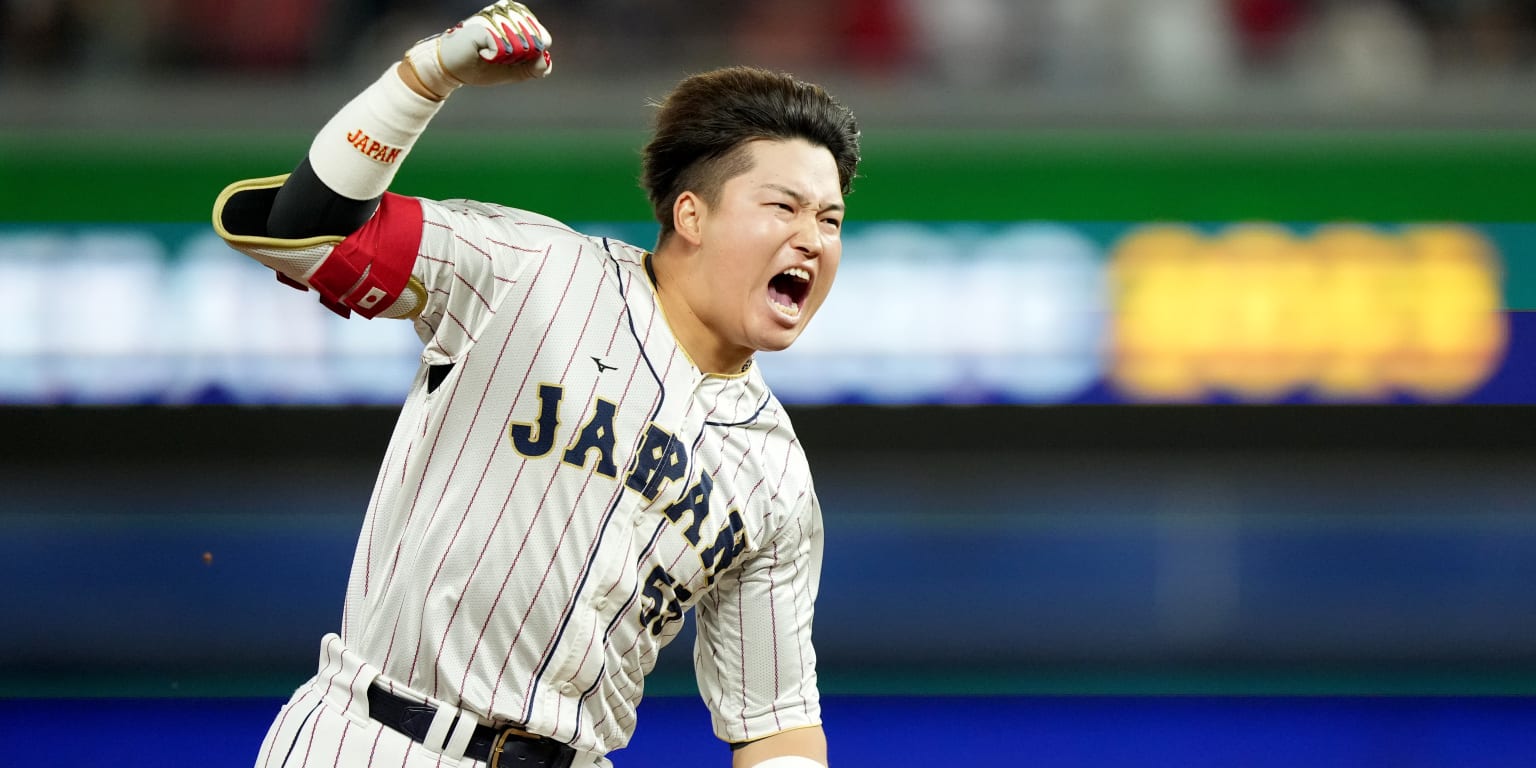
While Seattle is expected to spend this offseason, the organization has consistently favored targeted, strategic investments over splashy, multi-year gambles. In that sense, pursuing a third baseman who fits their system both statistically and culturally aligns with their broader long-term approach. The front office has repeatedly emphasized building a sustainable contender — one that can compete annually rather than extending itself financially for short-term gain. Securing the right third baseman would support that goal.
Still, with the American League West becoming increasingly competitive and the Mariners hungry to get back to the postseason, urgency remains. The 2025 campaign brought encouraging growth from younger hitters and continued excellence from the pitching staff, but Seattle ultimately fell short due to offensive inconsistency. That cannot happen again. With Naylor secured and key prospects nearing major league readiness, Seattle finds itself at a crossroads: poised to take a significant step forward if it chooses wisely, or to stall out if it misjudges the market.

As winter progresses and the rumor mill accelerates, the Mariners’ strategy will begin to reveal itself. Will they bring Polanco back and find a new anchor at third? Will they pivot toward a younger, higher-upside bat? Or will they surprise the league and reunite with Suárez after all? The decision will shape not only Seattle’s infield alignment but the identity of its offense for seasons to come.
One thing is certain: the Mariners know this opportunity matters. And with an intriguing option available at third base — one who fits the contours of everything Seattle claims to value — the next move could determine whether their offseason ranks as merely productive, or truly transformative.