The Seattle Mariners are quietly reuniting with a familiar bat, this time in the form of third baseman and corner infielder Patrick Wisdom. According to a report from JustBaseball.com’s Aram Leighton, Wisdom has agreed to a minor league contract that includes an invitation to spring training, giving him the opportunity to compete for a spot on the Mariners’ major-league roster. While the deal is low-risk for the organization, it represents a chance for Wisdom to revive his career and demonstrate that he can still contribute as a power-hitting corner infielder.
Wisdom, now 34 years old, has spent parts of seven seasons in the major leagues, though his prior stint with Seattle was brief and largely unrealized. He originally signed with the Mariners in November 2019, but was released in August 2020 without appearing in a game for the organization. Now, nearly six years later, the Mariners are giving him another shot, signaling that the team sees potential in a veteran bat who can provide depth, versatility, and power in the corner infield positions. This move comes at a time when Seattle is actively exploring ways to bolster its lineup and roster flexibility ahead of the 2026 season, and adding a player like Wisdom to a minor league deal offers a low-cost option with upside.
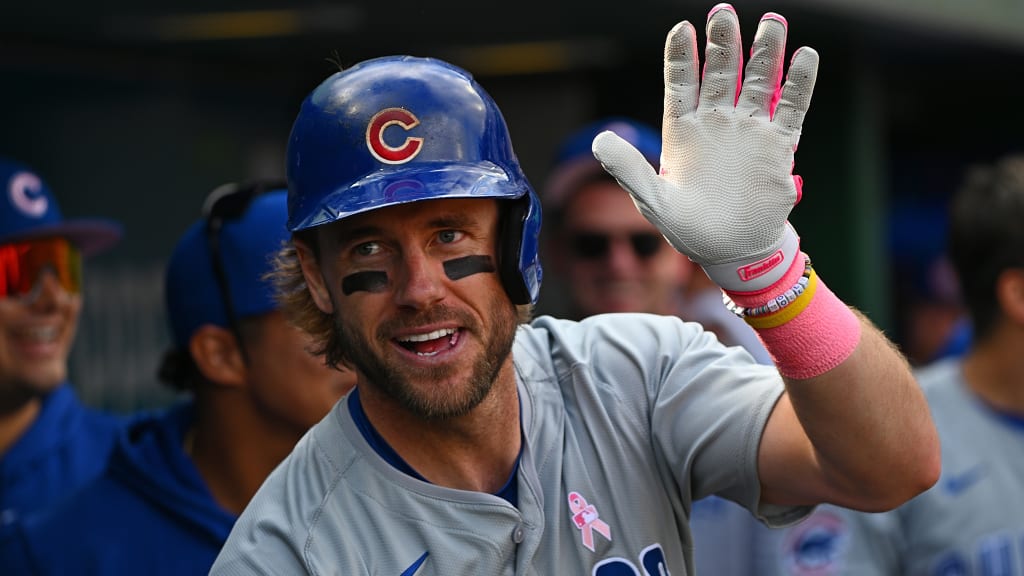
A first-round pick by the St. Louis Cardinals in 2012, Wisdom came into professional baseball with strong pedigree and expectations. While his career has had its ups and downs, he has proven capable of generating significant offensive value when in rhythm. Across 455 major-league games with the Cardinals, Texas Rangers, and Chicago Cubs, Wisdom has posted a .209/.291/.459 slash line, hitting 88 home runs with a .750 OPS. Those numbers highlight a hitter with clear power potential, though consistency has been a challenge. Teams often value players like Wisdom for the raw power they can bring to the lineup, particularly against favorable pitching matchups or in platoon situations.

The Mariners’ interest in Wisdom reflects both their immediate needs and long-term strategy. Seattle has shown a willingness to invest in low-risk, high-upside acquisitions that provide roster flexibility. By signing Wisdom to a minor league contract with a spring training invitation, the Mariners can evaluate him closely without committing a significant portion of the payroll. This structure allows Wisdom to compete for a major-league job while providing the organization with depth at third base and first base, positions where the Mariners may seek insurance for injuries, matchups, or rest days.
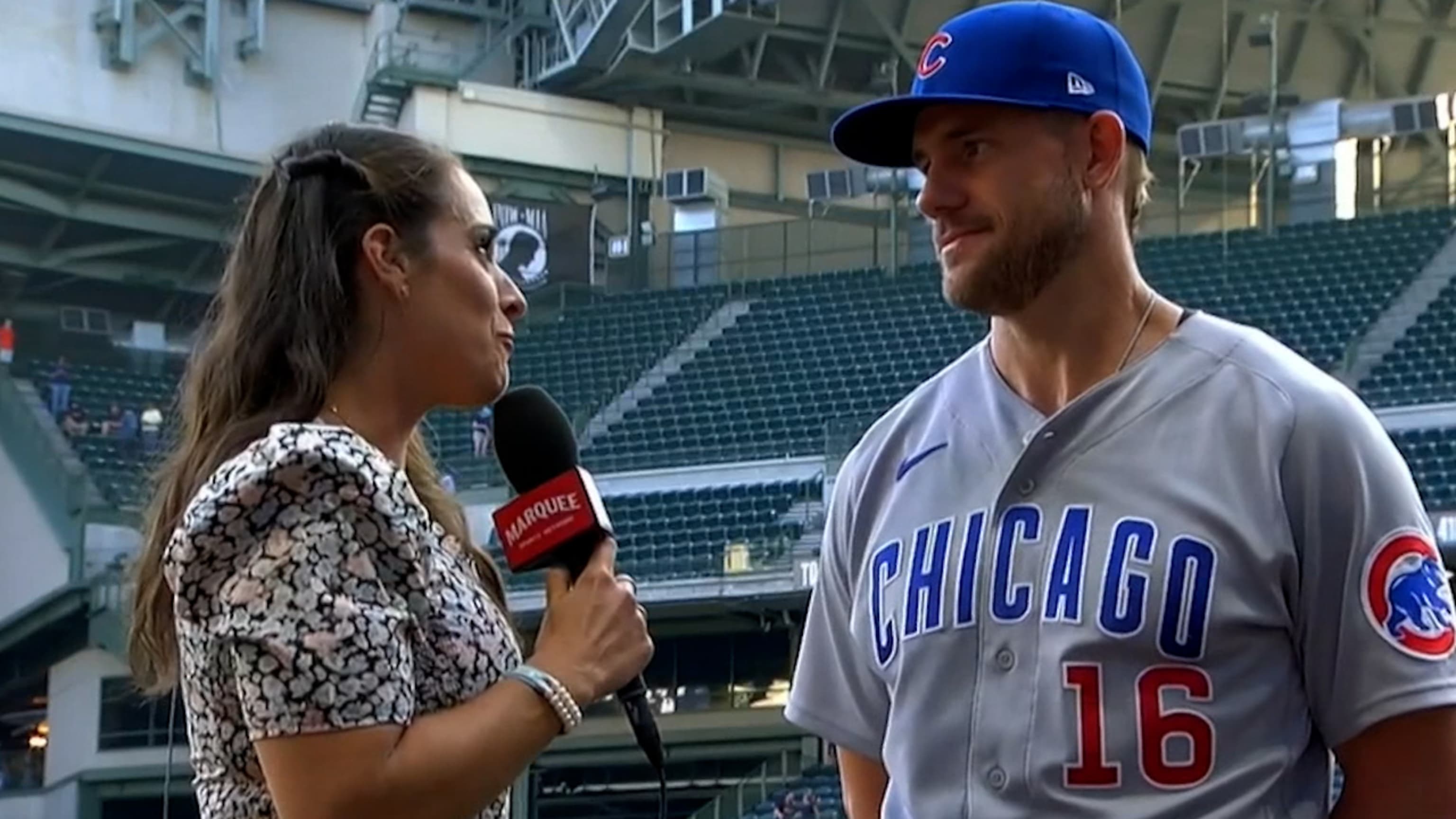
While Wisdom has not been a consistent everyday player, his ability to play multiple corner positions adds to his value. Positional flexibility has become increasingly important in modern MLB, with teams often rotating players to maximize offensive production while managing defensive workloads. Wisdom’s experience at both third and first base means he can fill in wherever the Mariners need coverage, particularly if injuries strike or if the team wants to create favorable platoon matchups. His ability to handle both infield positions, combined with his right-handed power, makes him an intriguing option for Seattle’s bench or a platoon role in the regular lineup.
Over his career, Wisdom has shown flashes of legitimate slugging potential, making him a player that teams are willing to take a chance on despite inconsistencies at the plate. In certain stretches, he has demonstrated the ability to hit for both power and occasional gap-to-gap contact, suggesting that when timing and approach align, he can be a valuable offensive contributor. The Mariners, who are navigating roster construction in a competitive division, may view Wisdom as a situational weapon capable of generating home runs in high-leverage spots. While he may not be a long-term solution at third base or first base, his potential as a bench bat or platoon option cannot be ignored.

The Mariners’ minor league deal structure also offers Wisdom a chance to reestablish himself without the pressure of an immediate, guaranteed major-league contract. This is an increasingly common approach for veterans or players attempting comebacks; it allows them to participate in spring training and prove their readiness, while also giving the organization the flexibility to make roster decisions based on performance, health, and team needs. For Wisdom, this opportunity represents a path to return to the big leagues, contribute meaningful at-bats, and potentially earn a more permanent role if he demonstrates consistent production.
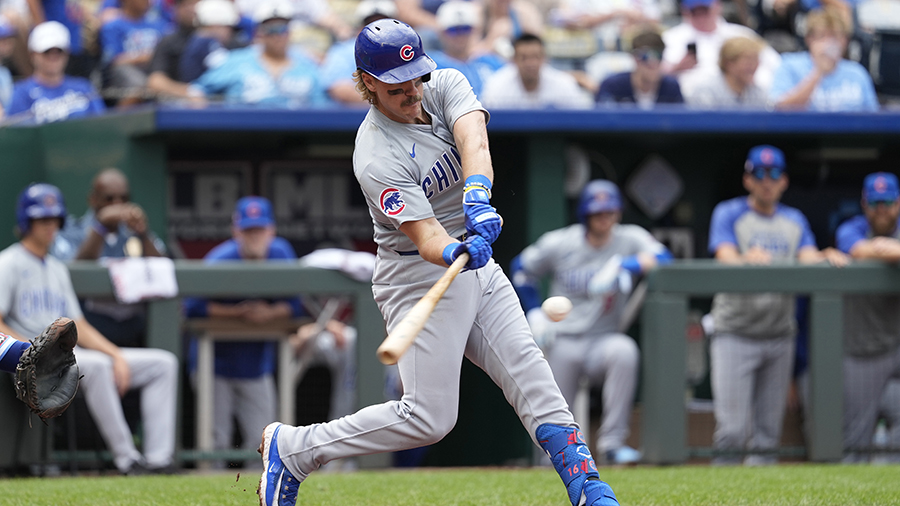
Seattle’s decision to reunite with Wisdom may also reflect an appreciation for his familiarity with professional baseball environments. Although he never appeared in a game for the Mariners in 2020, Wisdom has extensive experience in MLB clubhouses and understands the grind of a major-league season. His veteran presence could be valuable not just on the field but also in mentoring younger players, particularly those navigating their first full seasons at the major-league level. Players who have bounced between multiple organizations often bring insights into preparation, approach, and adaptability that can benefit a clubhouse beyond pure on-field production.
In addition, Wisdom’s signing underscores the Mariners’ ongoing strategy of balancing roster depth with offensive firepower. Teams in the modern era prioritize players who can contribute in multiple ways—whether by providing power off the bench, covering multiple defensive positions, or serving as a late-inning replacement. Wisdom’s profile fits this mold: he is not being brought in as a guaranteed starter, but as a flexible, high-upside player who could provide meaningful contributions in the right situations. The Mariners’ approach demonstrates a combination of strategic prudence and opportunism, leveraging minor league contracts to strengthen depth without overcommitting financially.
Looking ahead, Wisdom’s path to making the Mariners’ roster will likely depend on his performance in spring training, his ability to demonstrate plate discipline and defensive reliability, and the team’s ongoing evaluation of other infield options. If he can recapture the power that has defined parts of his career, he could carve out a role as a situational starter, bench bat, or platoon partner, particularly against left-handed pitching. Even limited production in key moments could justify the Mariners’ decision to bring him back into the fold.
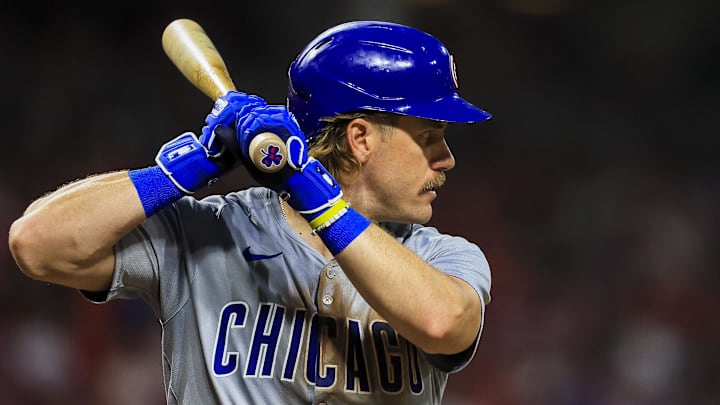
Ultimately, Patrick Wisdom’s return to the Mariners represents a blend of opportunity for the player and strategic roster management for the team. For Wisdom, it is a chance to revive a career that has had its challenges, showing that he can still contribute at the highest level. For Seattle, it is a low-risk, potentially high-reward move that addresses depth at multiple positions and adds a veteran bat to the organization’s spring training mix. If successful, Wisdom could provide both power and flexibility, helping the Mariners navigate a demanding season while providing insurance against injuries and matchup considerations.

This reunion is emblematic of a broader trend in MLB: teams increasingly value versatile, experienced players who can impact the game in multiple ways, even if they have struggled with consistency. Wisdom’s power potential, combined with his ability to play multiple corner infield positions, gives the Mariners a tool that could prove crucial over the course of a 162-game season. While he may not be a cornerstone player, his presence adds depth, versatility, and the possibility of game-changing at-bats in key situations.
In conclusion, Patrick Wisdom’s minor league signing with the Mariners is a strategic move with upside for both player and team. It offers Wisdom a path back to the majors while giving Seattle additional flexibility at third base and first base. His career numbers—88 home runs, a .750 OPS, and experience with multiple MLB organizations—illustrate the type of raw power and veteran presence the Mariners are hoping to leverage. As spring training approaches, all eyes will be on Wisdom to see whether he can translate that potential into meaningful contributions, potentially carving out a role as a bench bat, platoon player, or occasional starter, and providing the Mariners with a useful option in a competitive season.