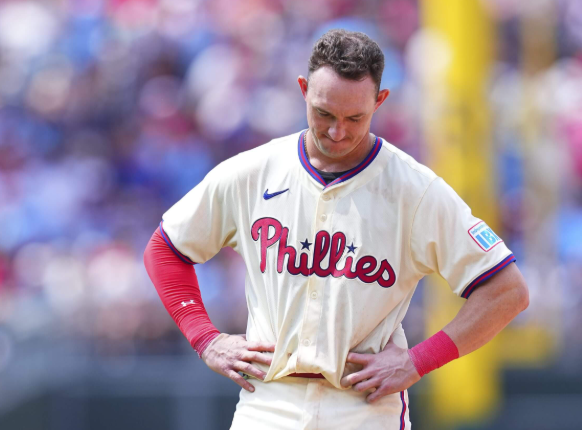
The Philadelphia Phillies are facing a pivotal moment as outfielder-turned-designated hitter Kyle Schwarber enters free agency on the heels of arguably the best season of his career. After declining the team’s extension offer last offseason, Schwarber surged to lead the National League with 56 home runs and 132 RBIs in 2025, re-establishing himself among baseball’s premier power hitters.
With the market opening, MLB insiders expect multiple teams will compete aggressively for Schwarber’s bat. According to Kiley McDaniel of ESPN, a survey of 20 scouts, executives and agents projected Schwarber to land a deal averaging $30.7 million per year, for an average tenure of 4.3 years and roughly $131.8 million total.
That projection places Schwarber in rare air for designated hitters, especially given his age (he turns 33 in March 2026). While long-term deals to pure DHs have historically been rare, Schwarber’s elite power output and recent durability are shifting perceptions.
The Phillies, meanwhile, are significantly invested. Having seen Schwarber explode offensively, club leadership has publicly stated their desire to bring him back. But with his rising market value and the team’s other financial commitments, they face the decision of whether to match the market or concede his departure.
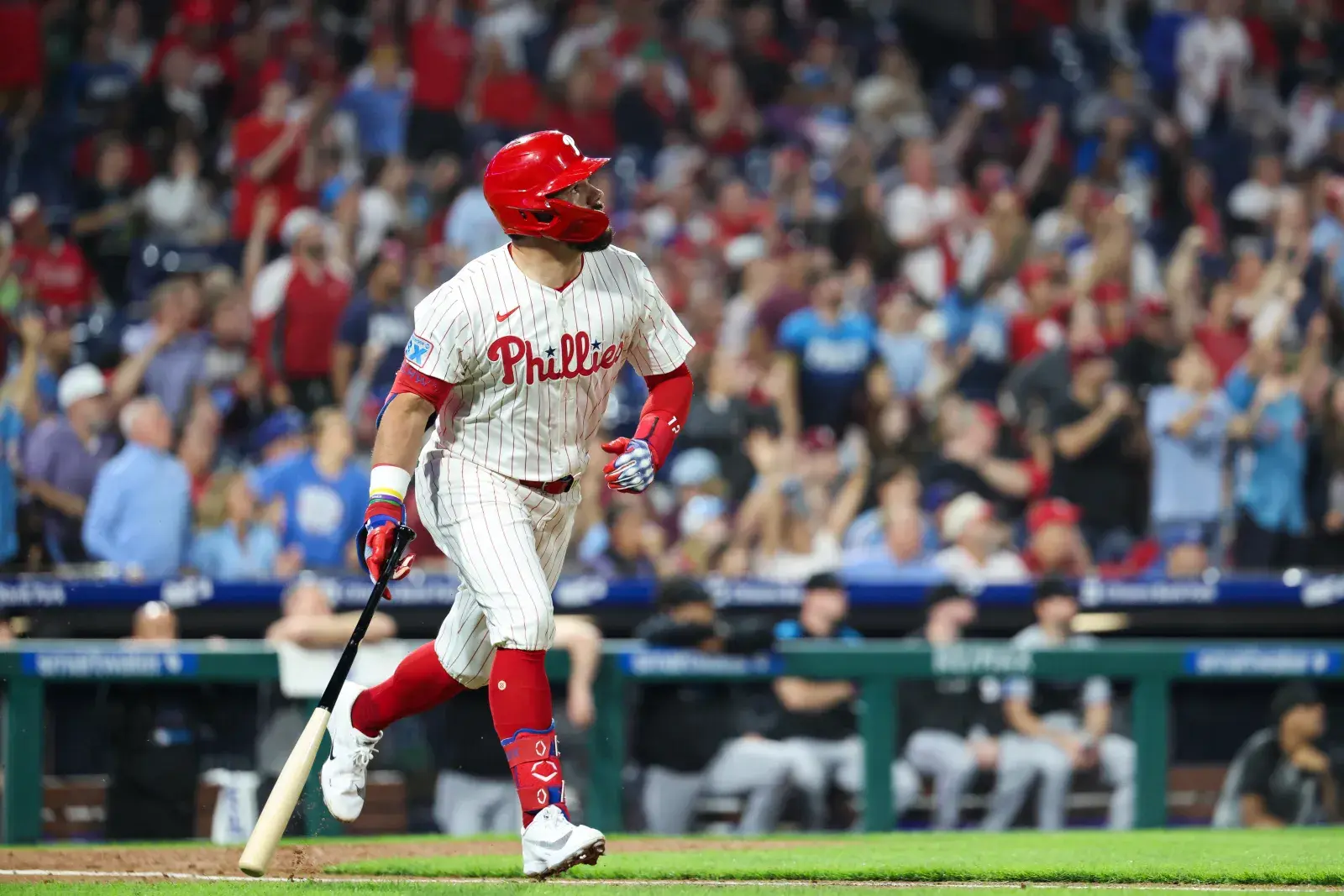
Should Schwarber leave, the Phillies would not only lose a key run producer but also expose a hole in their lineup that may be difficult to replicate without costly trade or free-agent supplementation. The interplay between Schwarber’s contract demands and Philadelphia’s broader roster strategy will be a defining storyline of this offseason.
For Schwarber, the challenge will be convincing a team to commit meaningful years to a player whose defensive value is largely limited to a DH role. Even with his bat, the risk of age-related decline for a peak-power hitter looms for some clubs. That said, his advanced metrics — hard-hit rate, exit velocity and walk rate — suggest no immediate signs of slide.
In short, the Phillies’ “huge mistake” may have been letting the extension window slip last offseason; now the stakes are higher. Whether the club doubles down to re-sign Schwarber or shifts focus elsewhere, this decision will send a strong signal about how the front office values big-league power and willingness to invest in the middle of the lineup.