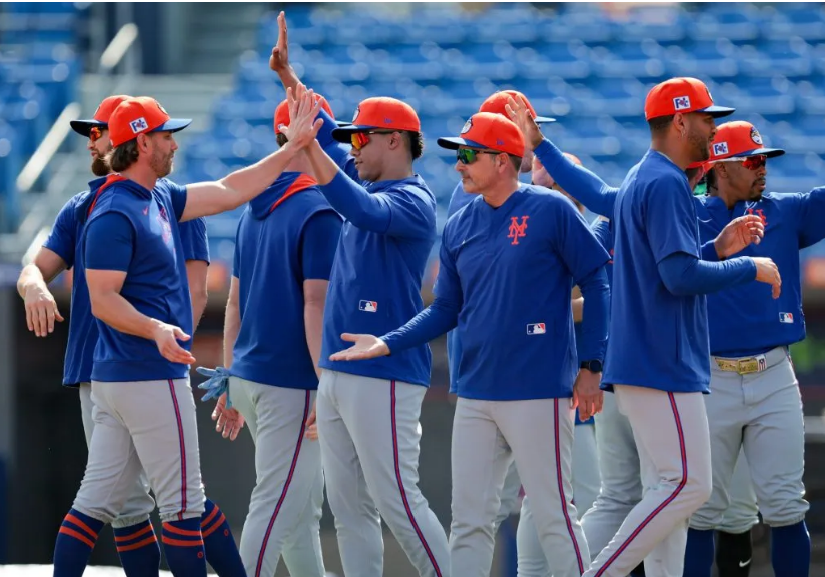

The New York Mets are entering a crucial period as they attempt to recover from one of the most dramatic downturns in recent Major League Baseball seasons. What once looked like a championship-caliber campaign ultimately unraveled in stunning fashion, leaving the franchise and its fans searching for answers and hoping the team can quickly return to contention.
For much of the season, the Mets appeared to be one of the most dominant teams in baseball. At one point they held a strong 45–24 record, which gave them the best record in MLB at that time. The team’s pitching staff was performing at a high level, the offense was producing consistently, and the Mets seemed destined for a deep postseason run. Many analysts believed they were among the favorites to represent the National League in the playoffs.

However, the season took a shocking turn as the months progressed. The Mets began to struggle with consistency on both offense and defense. Losing streaks began to pile up, confidence dropped, and the team that had once looked unstoppable started falling apart. Over their remaining games, the Mets managed only a 31–47 record, a stretch that placed them among the worst-performing teams in the league during that period. In fact, their record over that span was better than only a few struggling clubs, including the Colorado Rockies, the Minnesota Twins, and the Washington Nationals.

The severity of the Mets’ collapse drew strong reactions from analysts around the league. Prominent baseball insider Jeff Passan of ESPN famously described the team’s downfall in blunt terms while reacting to a game in which the Mets were trailing early and facing star pitcher Jacob deGrom. Passan wrote that the Mets’ struggles were not simply a collapse but rather a “disintegration,” emphasizing how dramatically the team’s performance had deteriorated. His comment quickly circulated among baseball fans and highlighted the magnitude of what had happened to a team that once looked like the best in the sport.

Following such a disappointing finish, the Mets faced a critical offseason. Many observers expected the organization to make bold moves in order to reshape the roster and avoid repeating the same mistakes. Yet for much of the winter, the team remained relatively quiet while other clubs across the league made notable signings and trades. This led to speculation that the Mets might be approaching the offseason cautiously, evaluating the market and waiting for the right opportunity rather than rushing into a major deal.
That opportunity finally arrived late in January when the Mets completed a trade with the Chicago White Sox to acquire center fielder Luis Robert Jr.. The move was widely viewed as a significant step toward strengthening the team’s roster. Robert is known as one of the most dynamic outfielders in baseball, combining excellent defensive ability with considerable offensive potential. His athleticism and range in center field immediately improve the Mets’ defense, while his power and speed provide additional threats in the lineup.
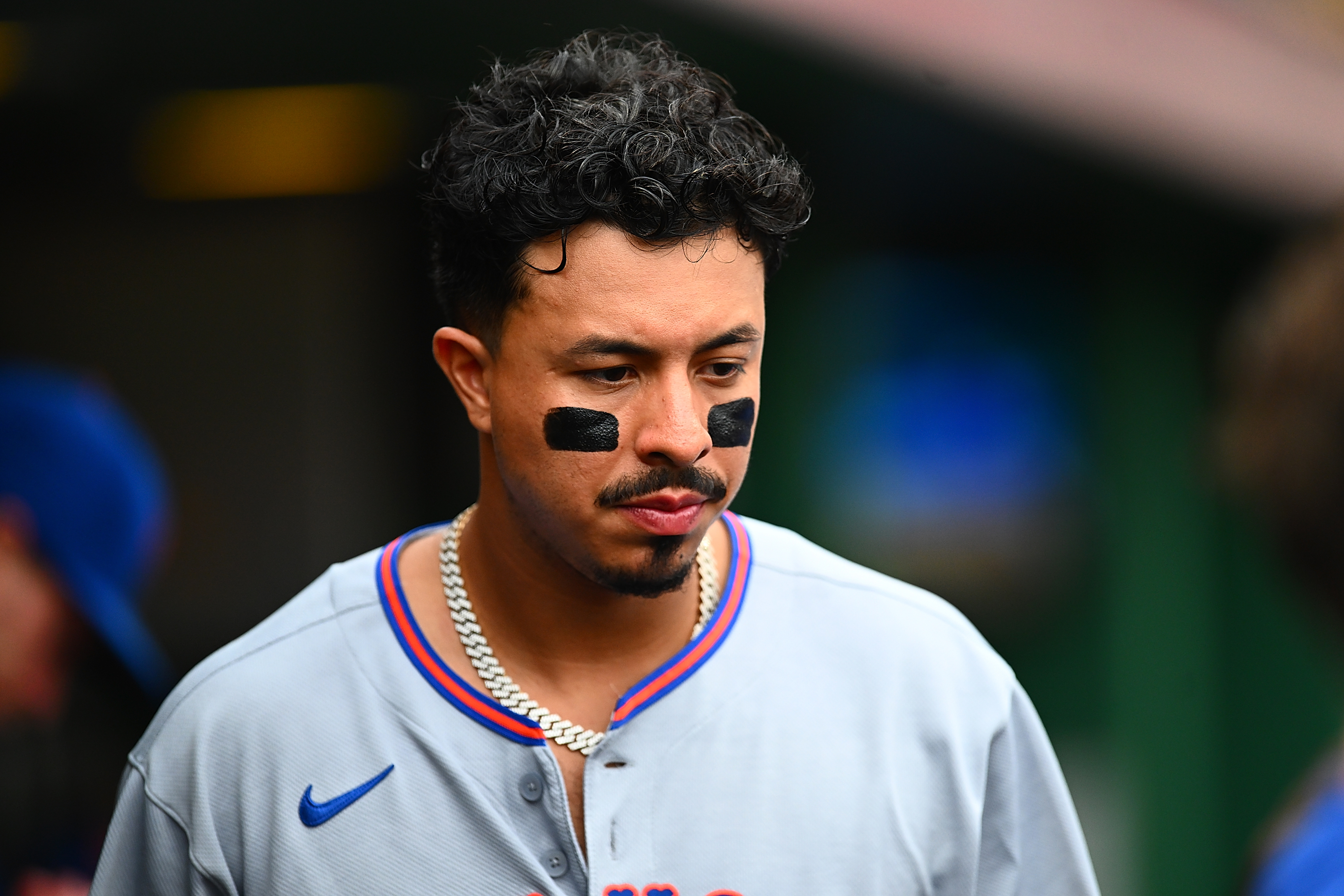
The acquisition of Robert also sends a clear message that the Mets are not planning to rebuild or take a step back. Instead, the organization appears determined to remain competitive and pursue another playoff run. If Robert can stay healthy and perform at his highest level, he could become one of the central pieces of the team’s future success.
Even with Robert now in the lineup, however, the Mets still have several roster questions to address. One of the biggest concerns involves right field and the designated hitter position. The team currently lacks a definitive long-term solution for either role, which has led analysts to speculate about potential trade targets who could fill those gaps.
One player who has been mentioned in connection with the Mets is Masataka Yoshida of the Boston Red Sox. Yoshida has developed a reputation as a disciplined hitter with strong contact skills and the ability to get on base. While his defensive role with Boston has been somewhat uncertain, his offensive profile could make him an appealing addition for a Mets lineup that needs more balance. By rotating between right field and designated hitter, Yoshida could help stabilize the lower portion of the batting order and prevent the lineup from becoming overly dependent on a few star players at the top.
Any potential trade involving Yoshida could include Mets infielder Mark Vientos. Vientos once entered the league as a promising young hitter with significant power potential, but he has struggled to find consistent success at the major league level. Despite flashes of talent, he has yet to fully establish himself as a reliable everyday player for the Mets. For the Red Sox, acquiring Vientos might represent an opportunity to take a chance on a player who could still develop into a productive hitter in a different environment. A move to Boston’s historic Fenway Park could potentially suit his hitting style and allow him to revive his career.
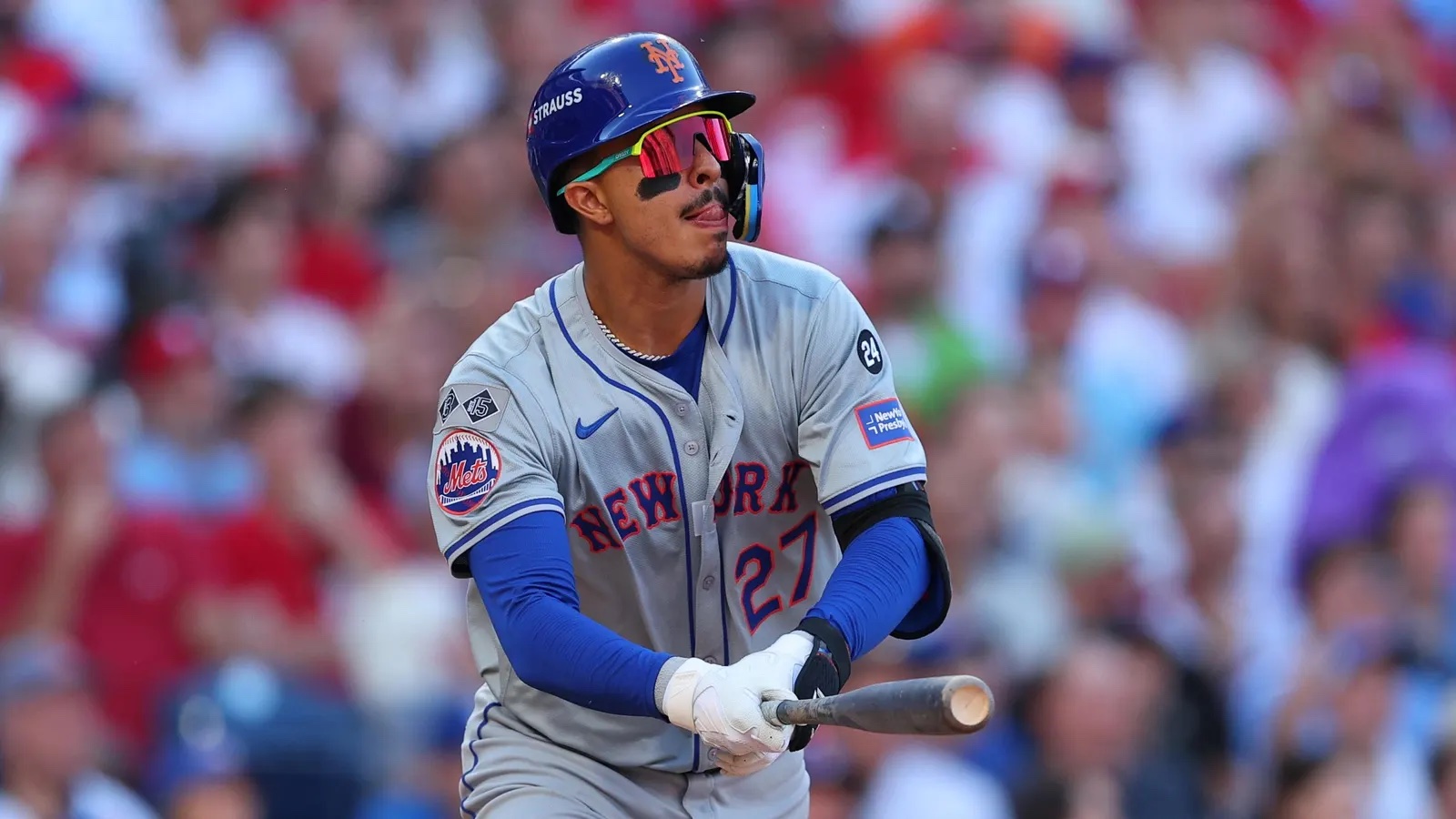
Whether such a trade will ultimately happen remains uncertain, but the speculation reflects the broader reality that the Mets may still be active in the trade market. The organization has shown in recent years that it is willing to make aggressive moves if it believes those decisions will significantly improve the team.
The pressure to succeed in New York is always intense, and the Mets are determined to prove that last season’s collapse was an exception rather than a long-term trend. With a revamped roster, the addition of Robert, and the possibility of further changes, the team hopes to return to the level of play it displayed earlier in the season when it briefly stood as the best team in baseball.

As the next season approaches, the Mets face an important challenge. They must rediscover the form that made them dominant earlier in the year while avoiding the mistakes and inconsistency that led to their late-season downfall. If they succeed, the team could once again emerge as a serious contender for the division title and a place in the MLB postseason. For now, the focus remains on rebuilding confidence, strengthening the roster, and ensuring that the painful memory of last season’s collapse becomes motivation for a stronger and more successful future.