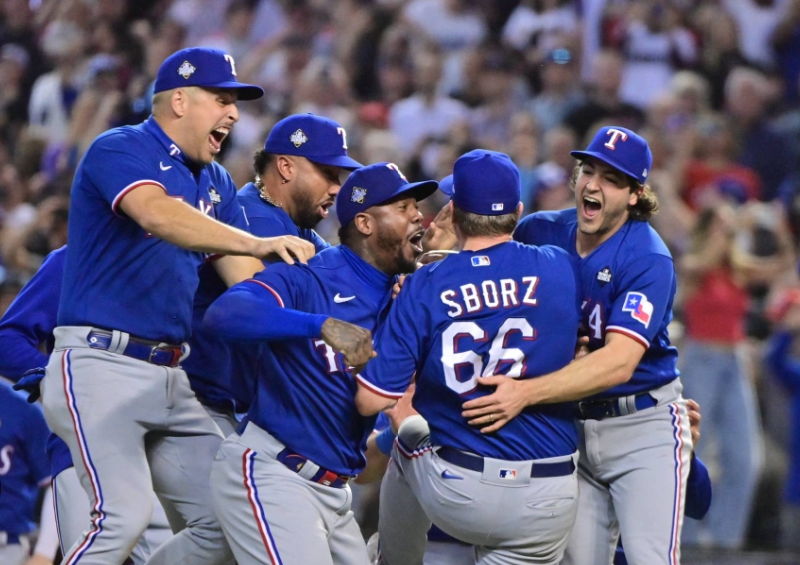
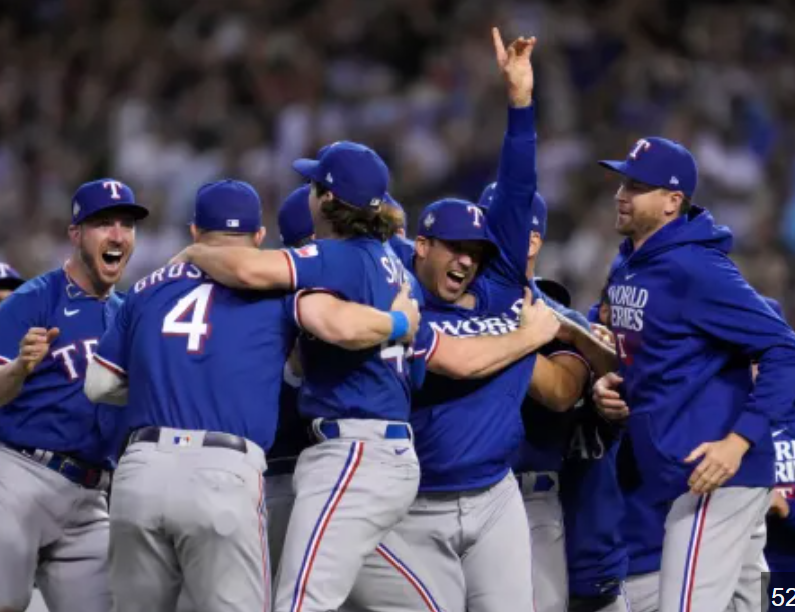
The Texas Rangers’ decision to sign a veteran infielder as depth and a potential utility option may not generate the kind of headlines that come with blockbuster trades or nine-figure free-agent contracts, but it is the type of move that often matters just as much over the course of a long season. Championships and playoff runs are rarely built only on star power. They are sustained by depth, flexibility, and the ability to absorb injuries, slumps, and unexpected setbacks without watching an entire month slip away. This signing fits squarely into that philosophy and reflects how the Rangers are thinking about roster construction moving forward.
After reaching the top of the baseball world not long ago, Texas now finds itself in the familiar position of trying to balance short-term competitiveness with long-term stability. The core of the roster remains strong, but the grind of recent seasons has exposed how quickly depth can be tested. Infield injuries, rest days, and matchup-based lineup decisions can force teams into uncomfortable choices if they lack reliable bench options. By bringing in a veteran infielder who can handle multiple positions, the Rangers are protecting themselves against exactly those scenarios.
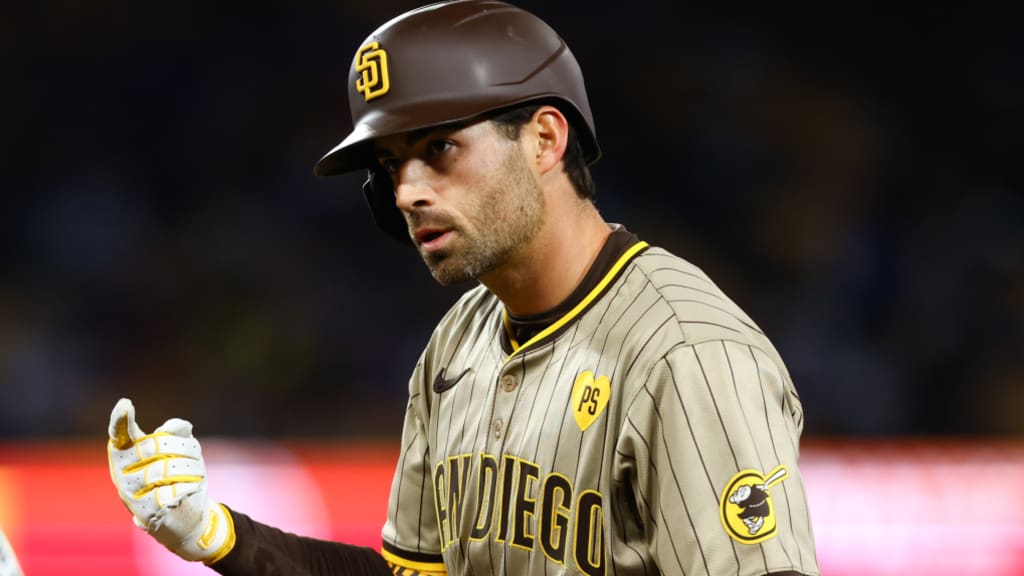
The appeal of a utility-type infielder lies in versatility. A player who can competently play second base, shortstop, and third base — and in some cases even step into the outfield — gives a manager far more freedom on a daily basis. Instead of locking the team into rigid substitutions, the Rangers can mix and match based on pitching matchups, defensive needs, or workload management for regular starters. Over 162 games, that flexibility becomes invaluable, especially for a club with postseason aspirations.
From a front-office perspective, this move is also about risk management. Rather than committing significant money or years to a single backup option, Texas opted for a lower-cost veteran with experience in a variety of roles. These types of contracts are often minor-league deals or short-term agreements that include an invitation to spring training, allowing the player to compete for a roster spot without limiting the organization’s options. If the fit is right, the team gains a useful contributor. If not, the cost is minimal.
Veteran infielders who settle into utility roles tend to bring more than just positional coverage. They often come with a deep understanding of game situations, preparation routines, and clubhouse dynamics. Younger players benefit from having someone around who has navigated multiple organizations, survived roster cuts, and learned how to stay ready despite inconsistent playing time. For a Rangers team that blends established stars with developing talent, that experience has real value even when it doesn’t show up directly in box scores.
There is also a strategic element tied to pitching matchups. Many utility infielders are deployed specifically against certain types of pitchers, whether that means providing a right-handed or left-handed bat off the bench or offering superior defense late in close games. Texas has emphasized run prevention and efficiency in recent seasons, and having a dependable glove available in the late innings can be the difference between protecting a one-run lead and watching it disappear.
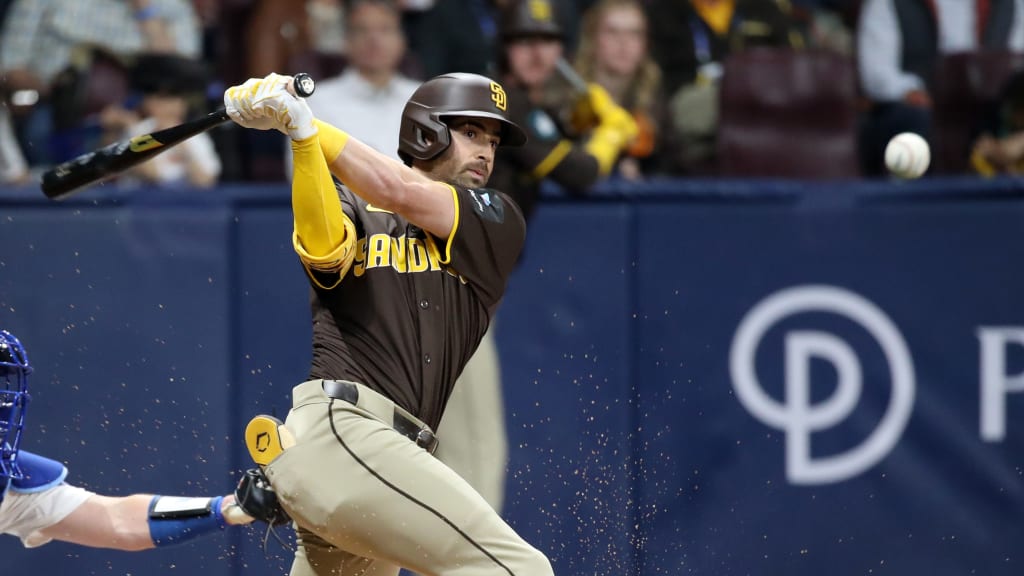
The timing of the signing matters as well. As the offseason progresses and spring training approaches, teams increasingly focus on rounding out the edges of their rosters. The Rangers are no longer in a phase where they need to overhaul the lineup; instead, they are refining it. Adding depth now allows the coaching staff to evaluate options in camp, test defensive alignments, and see how the new addition fits alongside the rest of the bench. It also creates internal competition, which often brings out the best in fringe roster players.
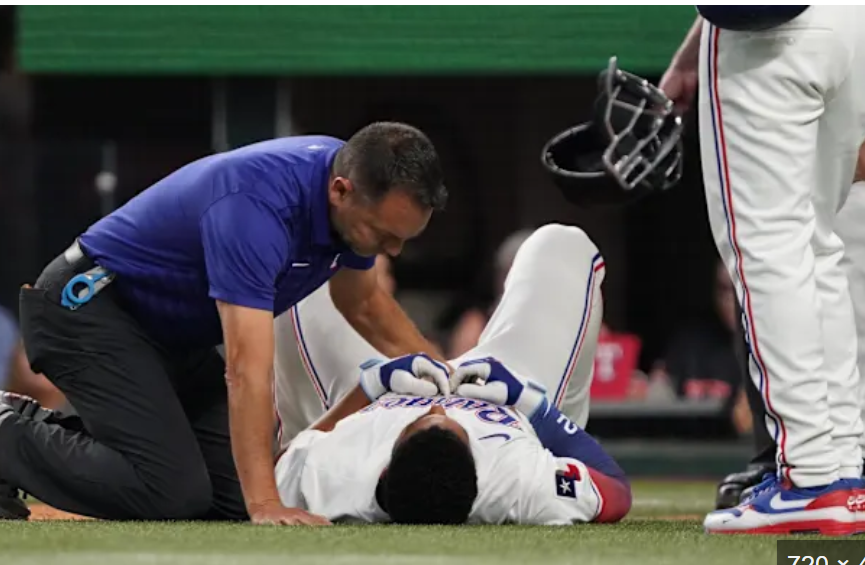
Injuries are an unavoidable reality in baseball, particularly in the infield where quick reactions, hard slides, and repetitive movements take a toll over time. Even short absences can force teams to dip into Triple-A or reshuffle lineups in ways that weaken overall performance. By securing a veteran who can step in without a steep learning curve, the Rangers are giving themselves insurance against those disruptions. The goal isn’t necessarily for this player to be an everyday starter, but rather to ensure that the team doesn’t suffer a dramatic drop-off when someone needs a day off or lands on the injured list.
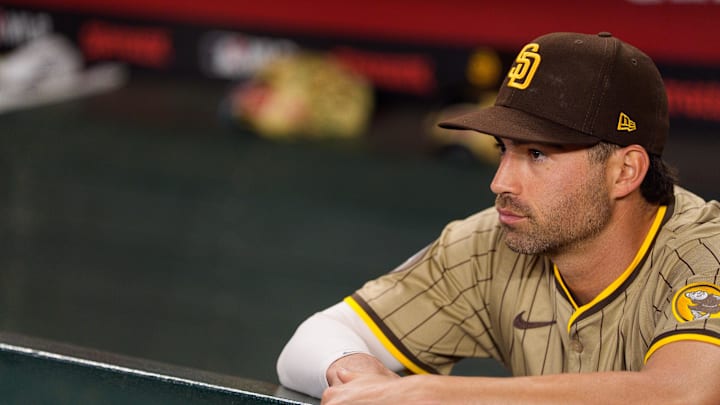
There is also an underlying message in moves like this: the Rangers expect to compete. Depth signings are often overlooked by rebuilding teams focused on development alone, but contenders understand that the season is won on the margins. One extra win in April or May, secured because a utility infielder delivered a quality at-bat or made a key defensive play, can loom large in September. Front offices that have experienced postseason success tend to place greater emphasis on those margins, and Texas appears to be operating with that mindset.
For the player involved, this signing represents opportunity. Utility roles are challenging because playing time can be sporadic, but they also offer a pathway to staying in the majors longer than many position players. A strong showing in spring training, followed by consistent contributions off the bench, can quickly earn trust from the coaching staff. Once that trust is established, utility players often find themselves starting more games than originally expected, especially when injuries or performance issues arise elsewhere on the roster.
As the Rangers prepare for the upcoming season, this move will likely fade into the background behind flashier headlines. That doesn’t diminish its importance. Depth acquisitions rarely generate buzz, yet they form the backbone of resilient teams. By adding a veteran infielder capable of filling multiple roles, Texas is quietly strengthening its roster, increasing flexibility, and positioning itself to better handle the unpredictability of a full season.

In the end, this signing reflects a mature approach to team building. The Rangers are not chasing headlines for the sake of attention; they are making calculated decisions designed to support sustained success. If everything goes right, this veteran infielder may spend much of the year rotating through the lineup, filling gaps, and doing the little things that help teams win. And if October baseball returns to Texas once again, there’s a good chance that a move like this will have played a small but meaningful role in getting them there.