When the Pittsburgh Pirates announced this week that they have hired Tony Beasley the long-time, much-beloved former Texas Rangers third-base coach as their new third-base coach, it marked more than just a roster move. It signaled a homecoming for a figure deeply respected by both the Rangers community and by Pittsburgh fans alike.
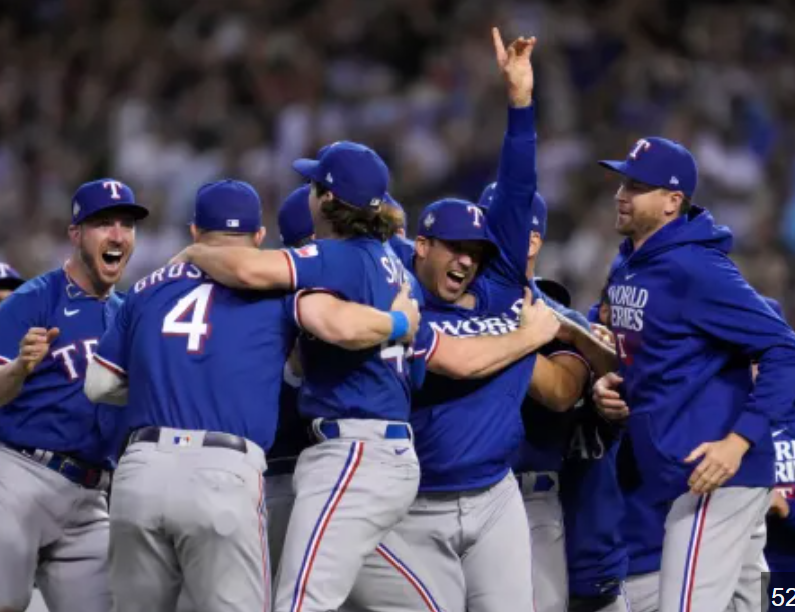
Beasley, 58, spent a decade (2015–2025) with the Texas Rangers, where he made an indelible impact as their third-base and hitting coach. During that stretch, his coaching helped shape young talent and become a steady presence in the dugout. He was part of the Rangers’ staff when they won the World Series in 2023, a high point for both the franchise and for Beasley personally.
Now, Beasley returns to Pittsburgh a city and organization he knows well. Before joining the Rangers, he had extensive ties with the Pirates. He spent six seasons in the Pittsburgh system as a minor league player, then later as a minor-league coach, manager, and instructor at various levels.
Pirates management expressed genuine enthusiasm about the move. The decision to hire Beasley is not just about filling a technical role; it’s about bringing aboard someone who commands respect, someone who understands player development, and someone who bridges two major-league communities.
In making the announcement, the Pirates highlighted Beasley’s wealth of experience and his strong character. His familiarity with Pittsburgh and, equally, his recent decade in Texas — makes him a uniquely valuable asset. According to reports, his return was greeted with optimism from both fans and the front office.
For Beasley, this is a return to his roots. His early years in the Pirates organization gave him a foundation in coaching and mentoring. That foundation, combined with the high-level experience he gained with the Rangers, positions him to be more than just a third-base coach: he could become a critical voice for younger players and a bridge between the major league squad and the minor league system.
Beyond the personal narrative, the hire comes at a moment of change for Pittsburgh. The Pirates are in a rebuilding phase, trying to develop young talent and re-establish their identity. Bringing in a coach like Beasley — someone who has proven he can lead, teach, and inspire fits into a broader strategy of investing in character as much as skill.
In recent months, the Pirates have reshaped their coaching staff. Alongside Beasley, they have added Kristopher Negron as their new bench coach. These moves suggest a deliberate rebuilding effort, one that relies not just on raw technical ability, but on mentorship, stability and experience.
Beasley himself has reflected on his return to Pittsburgh with humility and gratitude. His history with the organization gives him a personal stake in its success, but he also carries memories and lessons from his time in Texas. That dual perspective veteran major league coach and player-developer — will likely be important as the Pirates press forward.
To understand what this means for Pittsburgh, you have to appreciate the kind of coach Beasley has been. In Texas, he was known for being a steady presence in the dugout, someone players liked and trusted. He didn’t just coach; he invested in people. That kind of leadership is exactly what rebuilding clubs often lack: not just strategy, but humanity.
Fans of the Rangers will undoubtedly feel a measure of loss. Beasley’s decade in Texas wasn’t just long — it was formative. He oversaw countless baserunning decisions, helped guide hitters through slumps, and quietly influenced the clubhouse culture. But the way he left also suggests a good departure — one in which he is not forgotten, but celebrated, and where his legacy is carried forward into a new chapter.
For Pittsburgh, the return of Beasley isn’t just sentimental. It’s strategic. It signals a commitment to continuity and experience, while also reinforcing the idea that development matters. The Pirates are betting that with someone of Beasley’s pedigree, they can grow their young talent — not just physically, but mentally.
Moreover, Beasley’s return is likely to have ripple effects beyond the major league team. His experience as a minor-league instructor and manager means he will be comfortable working with younger players, helping to shape them not just for the big leagues, but for long-term success. In a system that is rebuilding, that kind of continuity and mentorship is priceless.
As the 2026 season approaches, all eyes will be on how this coaching reshuffle translates onto the field. Can Beasley help accelerate the development of Pittsburgh’s prospects? Will his influence bring a more cohesive and confident clubhouse? These are the big questions, and expectations will be high — not just for wins, but for growth, stability, and improvement.
But perhaps the heart of this story lies in how it represents a full-circle moment: a coach who once helped build in Pittsburgh, who then spent a decade shaping big-league players in Texas, now returning to lend his wisdom where it all began. In a sport that often feels transactional, Beasley’s return is a reminder that baseball is also deeply human — built on relationships, trust, and the long arc of growth.
In hiring Tony Beasley, the Pirates are doing more than filling a coaching vacancy. They’re making a statement about who they want to be: a team that values experience, character, and mentorship. As Beasley settles in, fans and players ,will watch closely, hopeful that this reunion brings not only nostalgia, but progress.