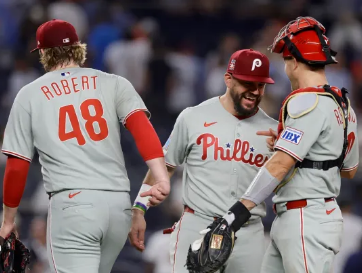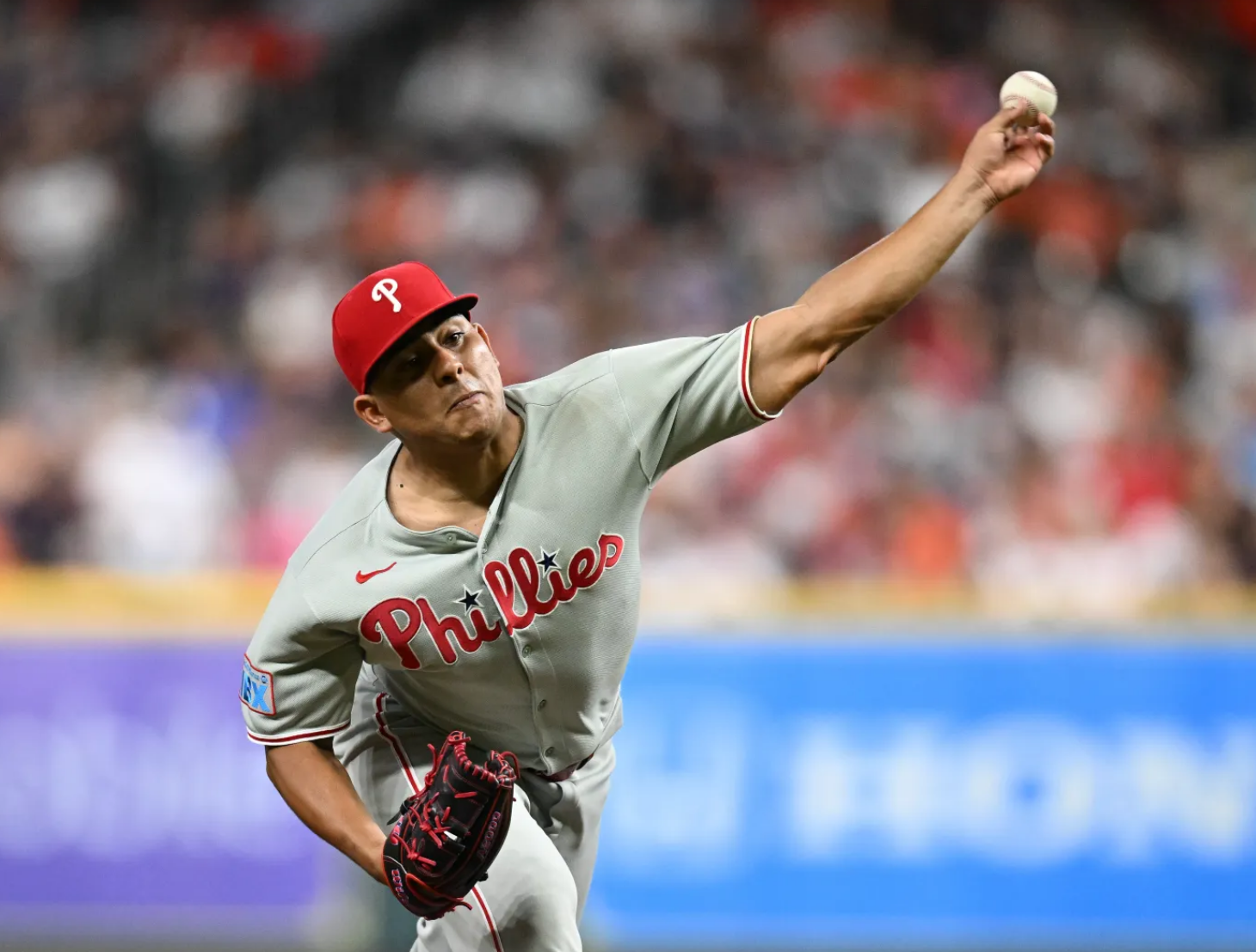

The Philadelphia Phillies enter this offseason facing a difficult challenge. After back-to-back postseason disappointments, the organization is under pressure to improve a roster built to win now. But with numerous veteran stars locked into long-term contracts—including some of the largest deals in MLB—the path to meaningful upgrades is neither simple nor flexible.
Among those stars, the most prominent remains Bryce Harper, the face of the franchise and owner of a $330 million contract that brought him to Philadelphia in 2019 after seven seasons with the Washington Nationals. Harper continues to deliver superstar production and leadership, but his presence also highlights a reality the Phillies must navigate: their core talent is expensive, entrenched, and difficult to maneuver. If the club wants to break through and win a World Series, improvements must come from creativity, development, or highly targeted acquisitions rather than sweeping roster turnover.
Harper’s impact on the Phillies has been enormous, but his influence across the league extends even further—and unexpectedly intersects with one of Philadelphia’s biggest rivals. During his time with the Nationals, Harper played a significant mentorship role for a young player who is now a superstar with the New York Mets: Juan Soto.
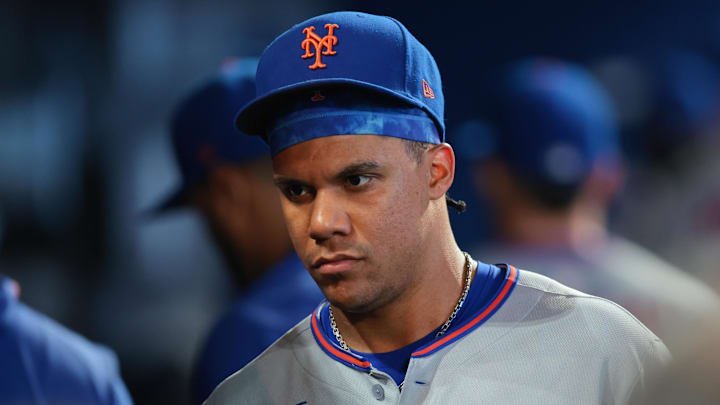
In a recent video shared by Major League Baseball, Soto reflected on the veterans who shaped his early days in Washington after he debuted as a 19-year-old phenom. The first name he mentioned was Harper.
“The first guy who always caught my attention was Bryce Harper when I got up to the league,” Soto said when asked which teammates taught him the most. “He was a guy who grabbed me under his wing.”
Soto went on to acknowledge other Nationals veterans—including Max Scherzer and Anthony Rendon—for their guidance. But his most concise reflection on Harper was a simple, five-word message that captured the tone of their relationship:
“He tried to help me.”
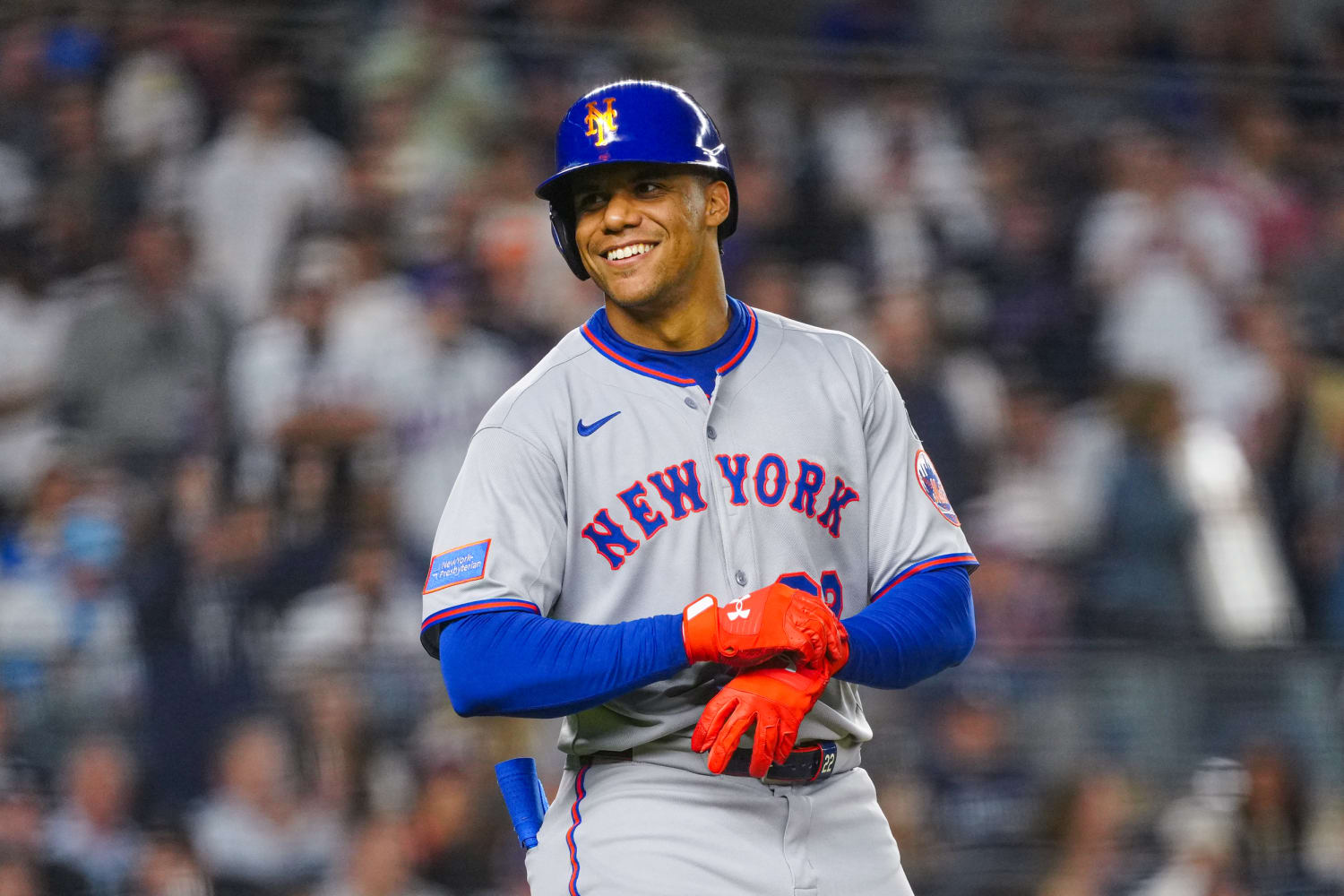
For Nationals fans, the connection between the two sluggers is familiar. Harper had already won an MVP Award by the time Soto arrived, and Washington’s clubhouse during that era featured a unique blend of youthful talent and established stars. Soto has often credited his time with the Nationals for accelerating his growth into one of baseball’s most dangerous hitters.
What makes Soto’s comments particularly compelling now is how their careers have evolved since leaving Washington. Both players have become two of the highest-paid, most accomplished stars in the sport. Both have remained in the National League East, continuing a division rivalry that started when Harper left Washington for Philadelphia in 2019—and intensified when Soto later signed a long-term deal with the Mets after stops with the San Diego Padres and New York Yankees.

That dynamic sets the stage for a fascinating storyline going forward. The Phillies and Mets are poised to battle each other for NL East supremacy in the coming seasons, and Harper and Soto—once mentor and mentee—are now central figures on opposing sides of one of baseball’s most heated rivalries.
For the Phillies, Soto’s reflections serve as a reminder of Harper’s long-standing leadership and influence, qualities the organization still relies on heavily. As Philadelphia moves through a difficult offseason, Harper’s presence remains one of the franchise’s greatest assets: a star capable of producing at elite levels while also shaping the next generation of players around him.
Yet admiration between Soto and Harper does nothing to ease the Phillies’ challenges. They must find ways to improve a roster that has repeatedly stumbled short of a championship. With large contracts limiting flexibility and young rivals like the Mets reloading aggressively, Philadelphia’s task is steep.

Still, the NL East race has gained another intriguing narrative thread: two superstars who once shared a clubhouse and a bond, now leading competing powerhouses. Harper once helped Soto adjust to the big leagues. Today, Soto leads a Mets lineup built to challenge Harper’s Phillies head-on.
Their history adds emotional layers to an already intense rivalry—and ensures that every Phillies-Mets matchup will come with a side of storylines, nostalgia, and high-stakes competition.