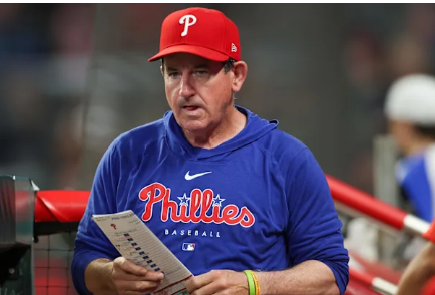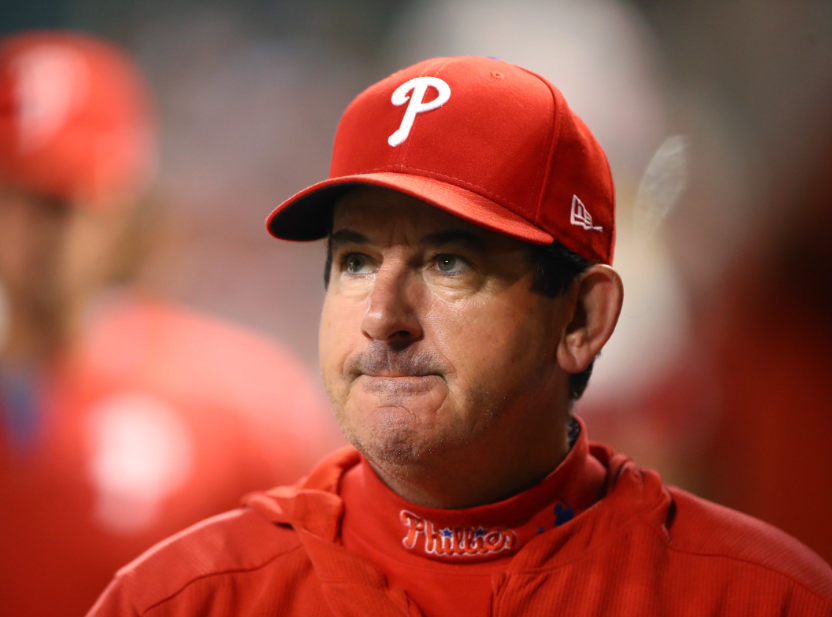
There’s still no disguising how rough things have been for the Philadelphia Phillies, and looking around the league doesn’t suddenly fix a last-place standing. But the struggles of former players go a bit deeper than surface-level stats, and that’s where the front office gets a little more quiet validation at least early on.
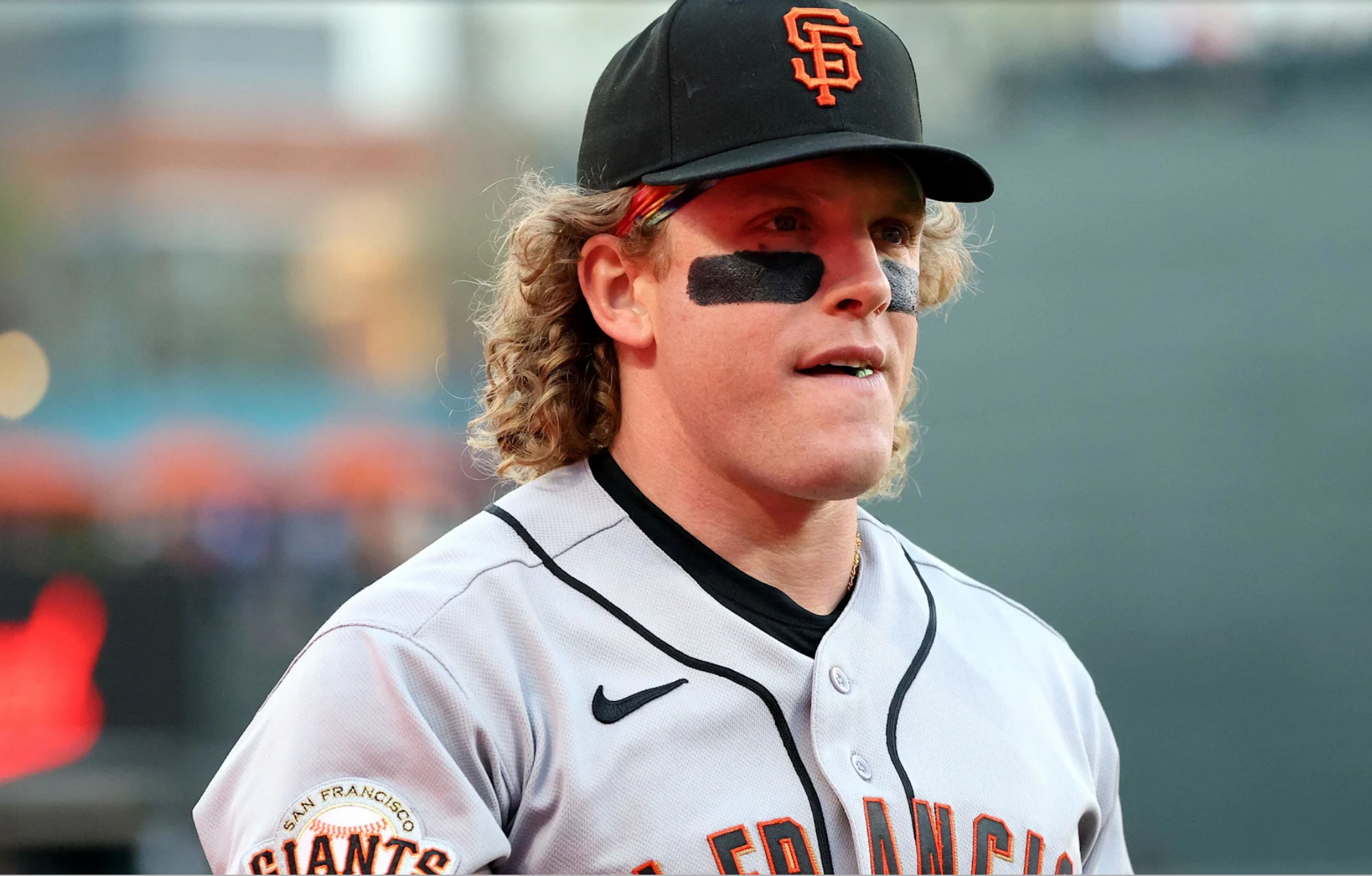
Take Harrison Bader again. His value has always been tied to defense and timely hitting rather than pure offensive dominance, which makes his current slump with the San Francisco Giants more concerning than just a cold streak. When a player like Bader isn’t getting on base or making consistent contact, his overall impact drops sharply. The Phillies likely weighed that risk when deciding whether to bring him back, and early returns suggest they may have avoided paying for production that wouldn’t have held.
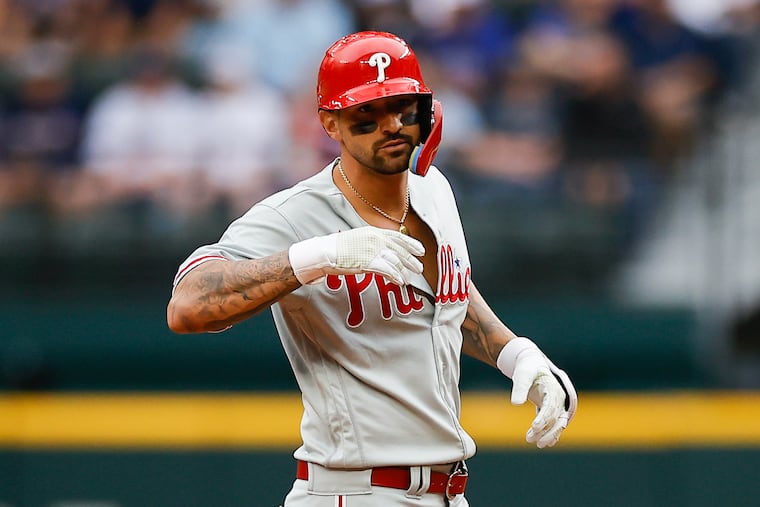
With Nick Castellanos, the situation feels more predictable in hindsight. His tenure in Philadelphia was marked by streakiness stretches where he looked like an All-Star followed by long periods where he struggled to adjust. Now with the San Diego Padres, those cold spells have taken over completely. The lack of power is especially alarming, because that’s supposed to be his calling card. When the home runs disappear and the strikeouts climb, there isn’t much left to offset the decline.
Then there’s Jordan Romano, whose case arguably strengthens the Phillies’ position the most. Relief pitching is volatile by nature, but Romano’s downturn has stretched across multiple seasons and teams. His struggles with the Los Angeles Angels including traffic on the bases and blown opportunities mirror exactly what Philadelphia dealt with. That kind of consistency in the wrong direction makes it harder to argue that a change of scenery would have fixed things.
What makes all of this more meaningful is timing. It’s only April, and baseball seasons are long enough for narratives to flip quickly. Bader could find his rhythm, Castellanos could rediscover his power stroke, and Romano could stabilize in the bullpen. If that happens, the current sense of vindication for Philadelphia’s decision-makers could disappear just as fast as it arrived.
But for now, there’s a strange kind of symmetry. The Phillies are struggling internally, while three familiar faces are doing the same elsewhere. It doesn’t erase the disappointment in Philadelphia, but it does shift part of the conversation. Instead of solely questioning what went wrong, there’s at least some evidence that moving on from those players wasn’t the mistake it might have seemed.

In a season that’s already testing patience, that small bit of perspective matters. It doesn’t solve anything, but it slightly softens the blow and buys the front office a little time before bigger questions start demanding answers.