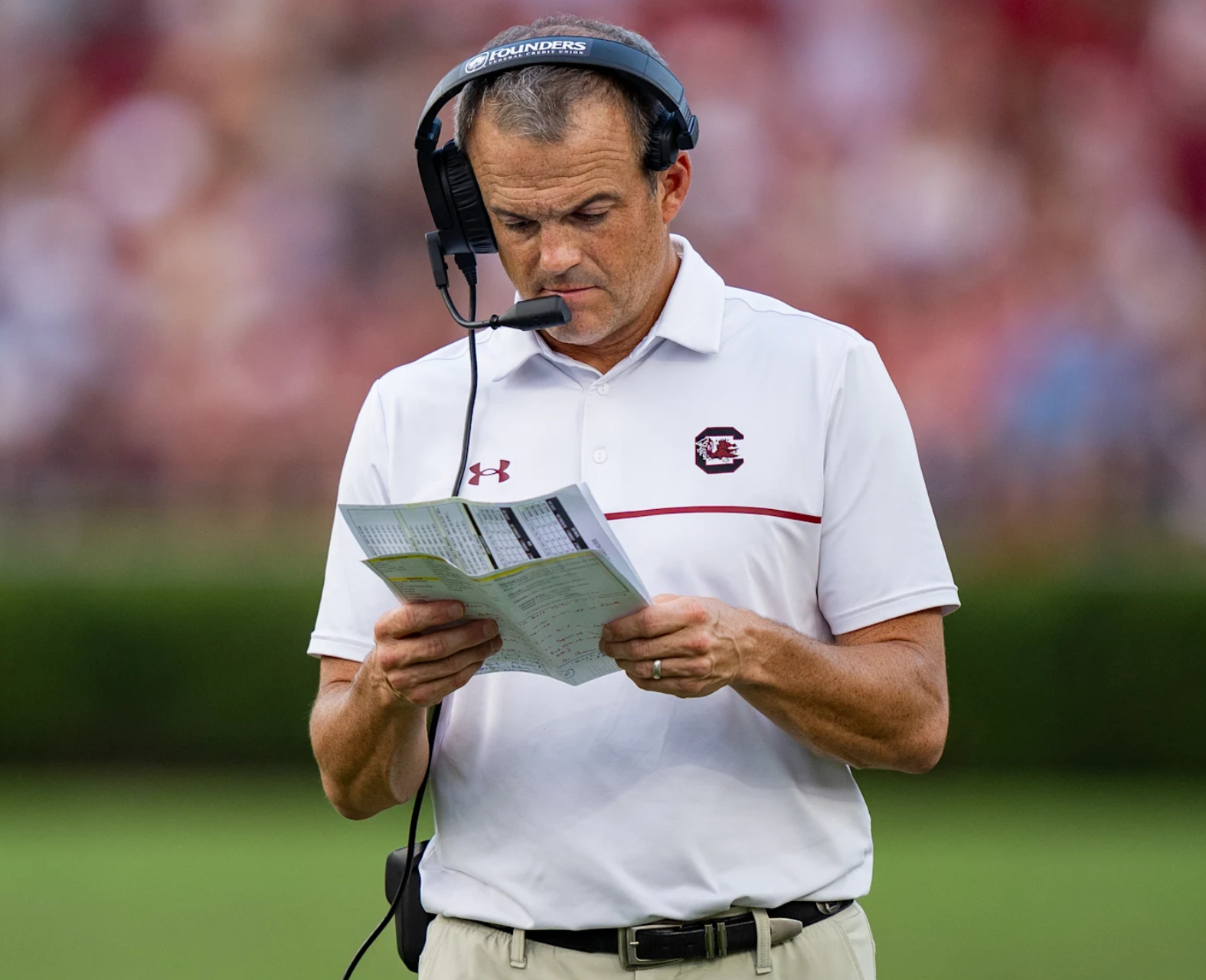

Jaiden Kelly-Murray’s decision to decommit from South Carolina has quickly become one of the more talked-about recruiting developments in early 2026, not necessarily because decommitments are rare—they’re actually very common in modern college football recruiting—but because of the timing, his talent level, and what it could signal moving forward for both the player and the program.
Kelly-Murray, a highly regarded four-star wide receiver in the 2027 recruiting class, originally committed to South Carolina in March 2026. At the time, it was seen as a strong early win for the Gamecocks’ coaching staff. Locking in a top in-state (or regional) playmaker that early in the cycle can help build momentum, attract other recruits, and give a program stability heading into future recruiting battles. However, that momentum didn’t last long. Within a few weeks, Kelly-Murray stepped back from his pledge and announced that he would be reopening his recruitment.
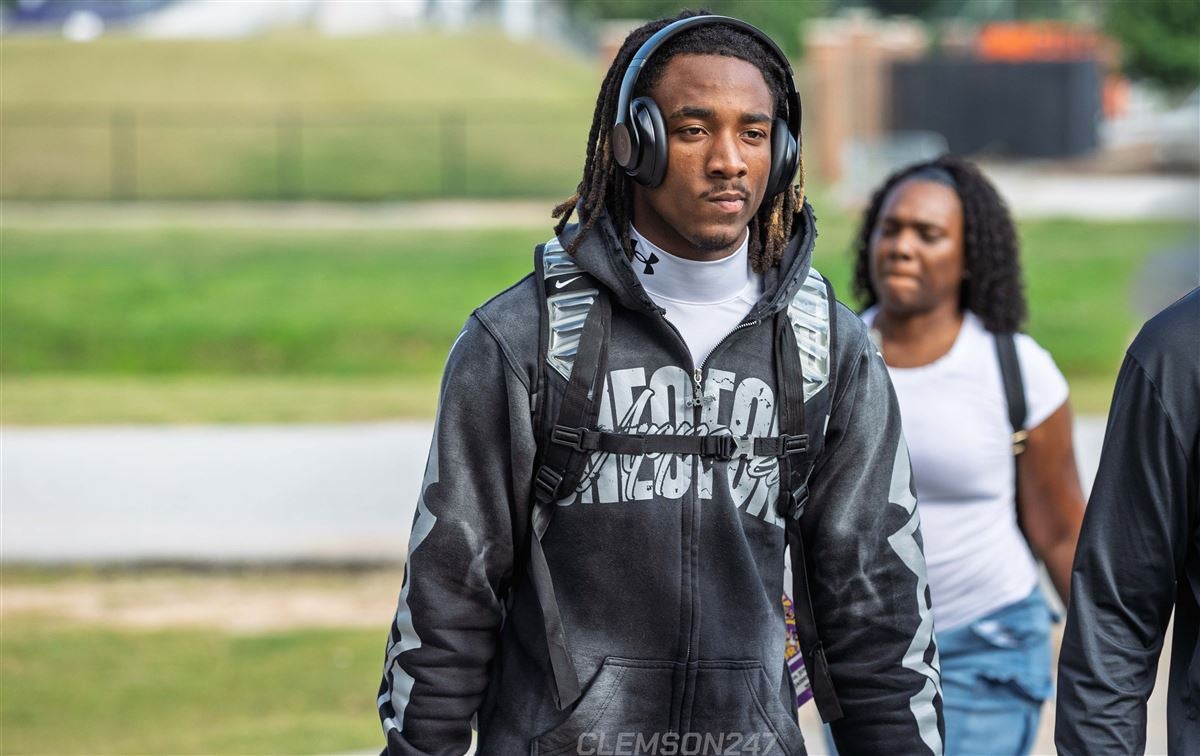
The reason he gave is actually one of the most honest and increasingly common explanations among top prospects: he felt like he made his decision too quickly. In today’s recruiting environment, players are committing earlier than ever sometimes before they’ve taken all their official visits, developed fully as players, or even evaluated all their options. That can lead to second thoughts, especially when more schools begin to show interest or when the reality of the decision starts to settle in. For Kelly-Murray, it appears that after committing, he realized there were still experiences he wanted to have camp visits, campus tours, deeper relationships with coaching staffs before making a final choice.

From a player development standpoint, his caution makes sense. As a wide receiver with impressive production already over 1,000 receiving yards and double-digit touchdowns in a recent high school season he’s clearly on the radar of multiple major programs. Players at his level often see their recruitment expand rapidly as they continue to perform, attend camps, and gain exposure. Committing too early can sometimes limit that process, or at least make it feel rushed. By reopening things, he’s giving himself the opportunity to fully evaluate which program best fits his long-term goals, both athletically and academically.
For South Carolina, the decommitment is a setback, but not necessarily a devastating one—at least not yet. Early commitments, especially in classes that are still a year or more away from signing day, tend to be fluid. Coaching staffs understand that a verbal commitment is non-binding and that relationships need to be continuously maintained. Still, losing a player of Kelly-Murray’s caliber so soon after securing his pledge raises questions about how solid the program’s early recruiting efforts are for that class. If multiple early commits begin to back off, it can create a perception issue and make it harder to build a cohesive class.

There’s also the broader recruiting landscape to consider. College football recruiting has become increasingly competitive, with NIL (Name, Image, and Likeness) opportunities, transfer portal movement, and early playing time all playing major roles in a prospect’s decision. Even if those factors weren’t explicitly mentioned in Kelly-Murray’s reasoning, they’re part of the environment every recruit is navigating. Programs are no longer just competing on tradition and coaching—they’re selling development pipelines, exposure, financial opportunities, and roster situations.
As for where Kelly-Murray might end up next, his decommitment essentially resets his recruitment. Schools that were previously in contact but lost momentum after his commitment will likely re-engage quickly. Programs like Virginia Tech, Illinois, Wake Forest, and Florida State have already been mentioned in connection with him, and that list could easily grow. Expect him to take more visits—both official and unofficial—and to be more deliberate this time around. Building stronger relationships with position coaches and offensive coordinators will likely be a priority, especially since wide receivers often look closely at scheme fit and quarterback development when choosing a school.
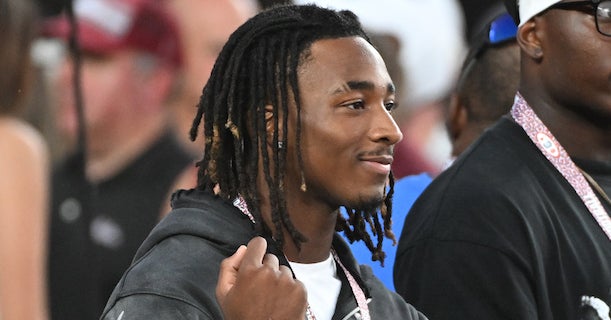
Another important factor will be timing. Because he’s in the 2027 class, Kelly-Murray still has plenty of time before he needs to make a final decision. That gives him flexibility to wait, evaluate coaching changes, monitor team performance, and see how different programs develop their current receivers. In many cases, recruits who decommit early and take their time end up making more confident, stable decisions later in the process.
From a broader perspective, this situation highlights how much recruiting has changed over the years. A decade or two ago, a commitment carried more finality, and decommitments were less frequent and often seen as major disruptions. Today, they’re almost part of the normal cycle. Players commit, reassess, visit other schools, and sometimes recommit elsewhere—or even return to their original choice. It’s a dynamic, ongoing process rather than a single defining moment.
For fans, it can be frustrating to see a highly rated player commit and then back out so quickly. But from the athlete’s perspective, it’s a major life decision involving education, athletic development, and future career opportunities. Taking extra time to get it right is often the smarter move, even if it creates short-term uncertainty.
In Kelly-Murray’s case, the key takeaway is that his recruitment is far from over—if anything, it’s just entering a more serious phase. His talent ensures that he’ll remain a priority target for multiple programs, and his eventual decision will likely carry even more weight because it will come after a more thorough evaluation process. Whether he ends up circling back to South Carolina or choosing a completely different program, his decommitment is less about closing a door and more about opening several others.
Ultimately, this is a reminder that in modern college football recruiting, early commitments are just one step in a longer journey. For Jaiden Kelly-Murray, that journey is still very much in progress.