The idea that the Boston Red Sox have “hit the jackpot” with a reported deal involving Brendan Rodgers might sound like typical offseason hype, but there’s actually some smart roster strategy behind the headline.
Earlier in the week, Boston made the surprising decision to release Rodgers after he suffered a significant shoulder injury during spring training. He later underwent labrum surgery, an issue serious enough to sideline him for most—if not all—of the 2026 season. At the time, the move looked like a straightforward baseball decision. Carrying an injured player with a long recovery timeline can be difficult, especially when teams need flexibility heading into the season.
However, what initially looked like an ending may actually be part of a calculated plan.

Recent reports suggest the Red Sox are interested in bringing Rodgers back into the organization, likely on a minor-league deal once his situation stabilizes. If that happens, Boston would essentially be keeping a player with legitimate upside while avoiding the short-term roster constraints that come with his injury. That’s where the “jackpot” angle comes in—not because of immediate impact, but because of long-term value at minimal risk.
Rodgers, when healthy, has proven he can contribute at the major league level. During his time with the Colorado Rockies, he showed strong defensive ability in the infield and the kind of offensive consistency that makes him a useful everyday player. He’s not a superstar, but he’s the type of player contenders often rely on for depth and stability over a long season.
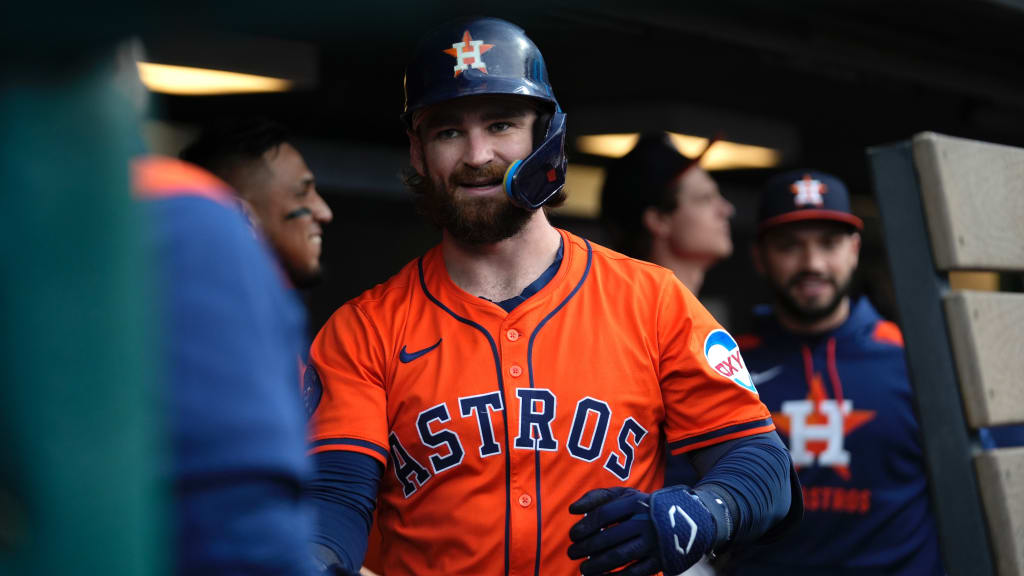
The key factor here is cost versus potential reward. If the Red Sox are able to re-sign Rodgers to a low-risk deal while he rehabs, they’re essentially making a bet. If he returns healthy and regains form, they gain a valuable piece without spending much or giving up assets. If he doesn’t, the downside is minimal. That kind of move is often how smart organizations quietly build depth.
There’s also a timing advantage. Because Rodgers is unlikely to play until late in the season, Boston can evaluate its roster throughout the year without needing to commit to him right away. If he progresses well in rehab, he could become an option down the stretch or heading into the following season. That flexibility is valuable, especially for a team balancing present competitiveness with future planning.
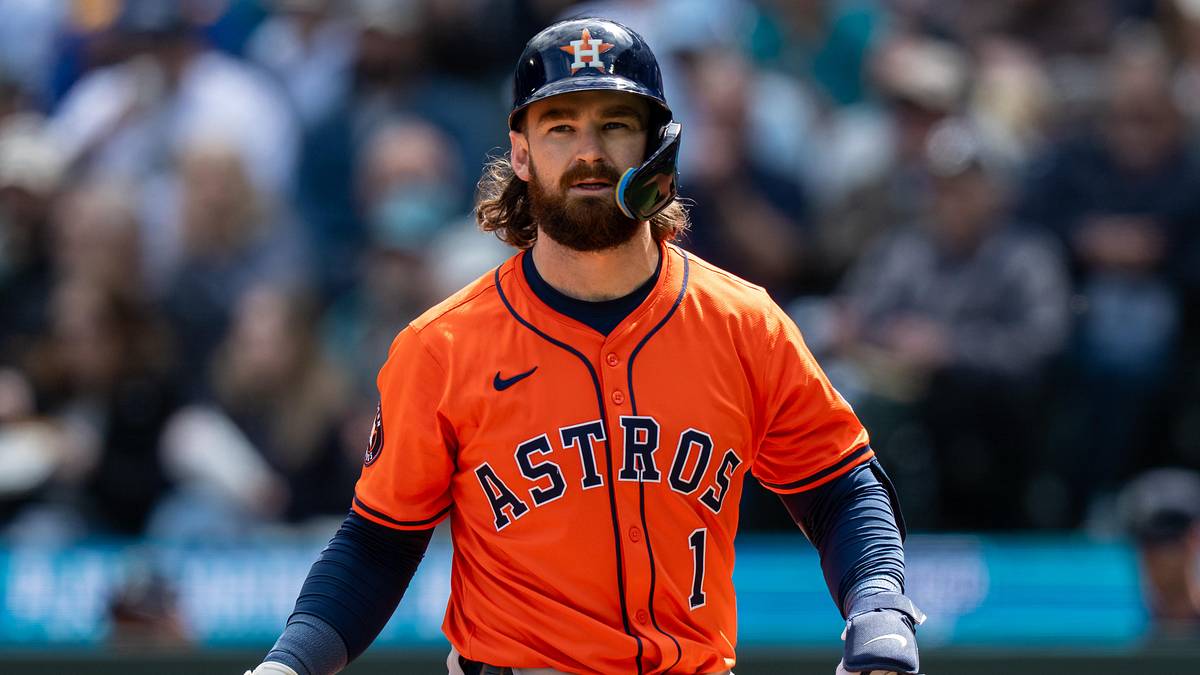
Of course, there are real risks involved. Shoulder injuries—especially labrum issues—can be unpredictable. Even players who return often need time to regain full strength, and some never quite get back to their previous level. For Rodgers, who has already dealt with injuries in his career, this adds another layer of uncertainty.
That’s why calling it a “jackpot” is more about potential than certainty. The Red Sox haven’t suddenly added a star player to their lineup. Instead, they’ve positioned themselves to possibly benefit from a low-cost opportunity that could pay off later.
From a broader perspective, this reflects a common trend in modern baseball. Teams are increasingly willing to take calculated risks on injured or undervalued players, especially when the financial commitment is small. It’s a way to find hidden value without disrupting the core roster.
For Boston, the situation with Brendan Rodgers fits that mold perfectly. They’ve managed to create flexibility in the short term while keeping the door open for a player who still has something to offer. If everything goes right, it could turn into one of those under-the-radar moves that ends up looking much smarter in hindsight.
For now, though, it remains a wait-and-see situation. Rodgers’ recovery will ultimately determine whether this becomes a genuine success story or just a footnote in the season. But the strategy itself is clear—and it’s easy to see why some are calling it a potential win for the Red Sox.