Former Tommy Tuberville served as a college football head coach from 1995 to 2016, including a stint with the Auburn Tigers from 1999 to 2008. He currently represents Alabama in the United States Senate.
The transfer portal has definitely become one of the most debated topics in college athletics, especially as player movement has increased dramatically in recent years. With athletes switching schools more frequently, many coaches, fans, and administrators feel the system lacks stability.
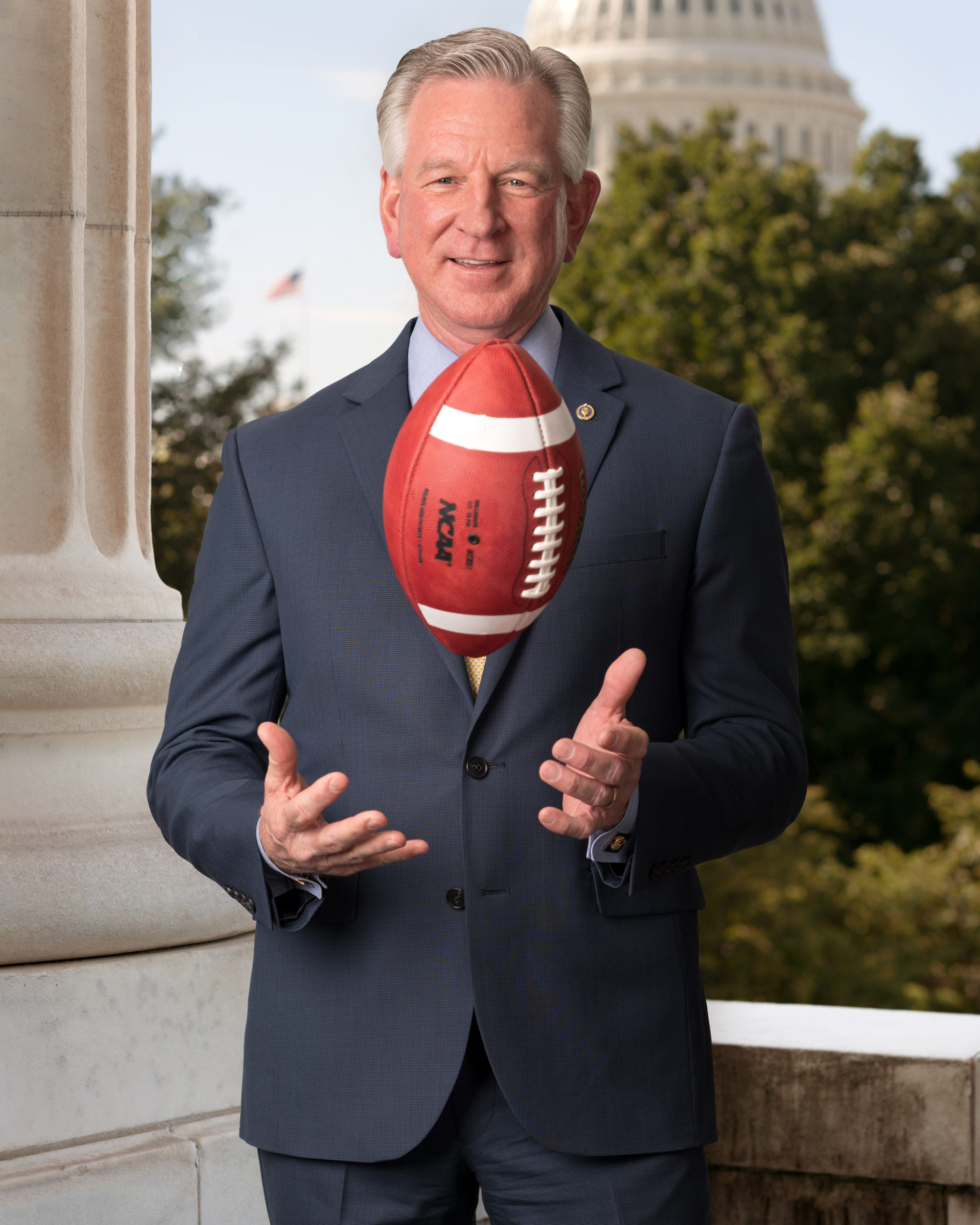
As for government involvement, there has been growing discussion in the United States Senate about regulating college sports—particularly around NIL (Name, Image, and Likeness) deals and athlete transfers. Lawmakers, including figures like Tommy Tuberville, have suggested that federal legislation could help create more consistent rules across all states.
However, it’s unlikely the Senate would directly “shut down” or heavily restrict the transfer portal itself. Instead, any action would probably focus on broader reform—such as setting national standards for NIL, eligibility rules, or transfer guidelines—to bring more structure and fairness to the system.
In short, the Senate might help regulate the environment around the transfer portal, but the constant player movement is more likely to be managed by organizations like the NCAA rather than completely controlled by the government.
Former Auburn Tigers HC Tommy Tuberville Introduces Bill to Limit Transferring in College Sports
Tommy Tuberville recently introduced legislation in the United States Senate aimed at limiting how often college athletes can transfer schools. He argued that frequent transfers disrupt education and hurt team chemistry, proposing a rule that allows one penalty-free transfer, with any additional moves requiring the athlete to sit out a year.
This proposal directly targets the growing instability in college sports, especially in football and basketball, where the transfer portal has led to constant roster turnover. Many coaches and programs have struggled to maintain continuity, so a rule like this could bring more structure and long-term commitment from players.

That said, whether this becomes law is far from certain. Passing a federal bill involves approval from both chambers of Congress and the president, and sports-related legislation often faces debate over how much the government should regulate college athletics. The NCAA also currently oversees transfer rules, so any law would likely need to align with or override existing NCAA policies.
If enacted, the rule could reduce the number of frequent transfers and stabilize team rosters. However, critics might argue it limits player freedom, especially in an era where athletes are gaining more control over their careers through NIL opportunities.
Overall, the bill is a serious attempt to address what many see as “transfer chaos,” but its success will depend on political support and how it balances fairness for both athletes and programs.