The New York Mets have once again brought back left-handed reliever Richard Lovelady, reclaiming him off waivers from the Washington Nationals on Saturday. The move continues an unusual transactional cycle that has repeatedly returned the veteran pitcher to the Mets organization over the past several months, highlighting both the fluid nature of bullpen construction and the club’s desire to maintain depth heading into the new season.
The roster move also involved a corresponding decision regarding right-handed pitcher Justin Hagenman. The Mets placed Hagenman on the 60-day injured list after he suffered a rib fracture this past season, an injury expected to sideline him for at least the first two months of the upcoming campaign. By shifting Hagenman to the long-term injured list, the Mets opened a spot on the roster, allowing them to reclaim Lovelady and add another left-handed option to their pitching staff.
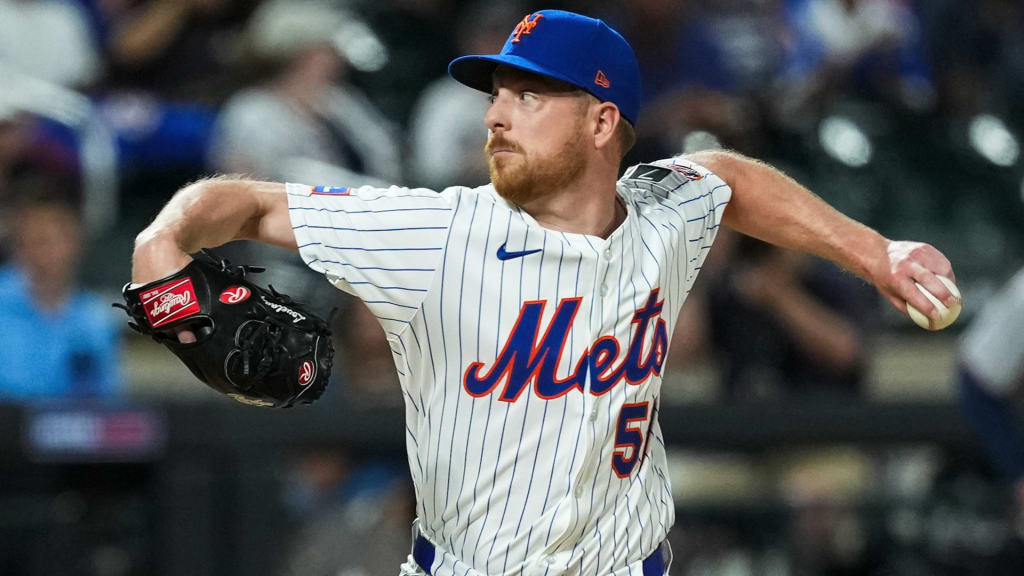
For Lovelady, the latest move represents the fourth time he has been acquired by the Mets within the last nine months. His ongoing connection with the organization began last June when he opted out of a minor league contract with the Minnesota Twins in search of a clearer opportunity to pitch in the majors. The Mets quickly signed him, seeing potential value in the veteran left-hander as a bullpen option.
During his time with New York last season, Lovelady made eight appearances and pitched 10 total innings at the major league level. While he showed flashes of effectiveness, the overall results were mixed. He allowed seven earned runs during that stretch, finishing with a 6.30 earned run average. The performance led to several roster moves in which the Mets designated him for assignment, a common practice when teams need flexibility to adjust their bullpen or add new players.
Despite those designations, Lovelady repeatedly found his way back into the Mets organization. After electing free agency at one point, he re-signed with the team, demonstrating both his willingness to remain within the organization and the Mets’ continued belief that he could contribute in the right role.
While Lovelady’s major league numbers with New York were inconsistent, his performance in the minor leagues told a different story. Pitching for the Mets’ Triple-A affiliate, the Syracuse Mets, he delivered much stronger results. Over 17⅓ innings at Triple-A, Lovelady recorded an impressive 2.08 ERA, showing improved command and effectiveness against hitters. That success at Syracuse helped keep him on the Mets’ radar as a depth option who could be called up if the bullpen needed reinforcement.
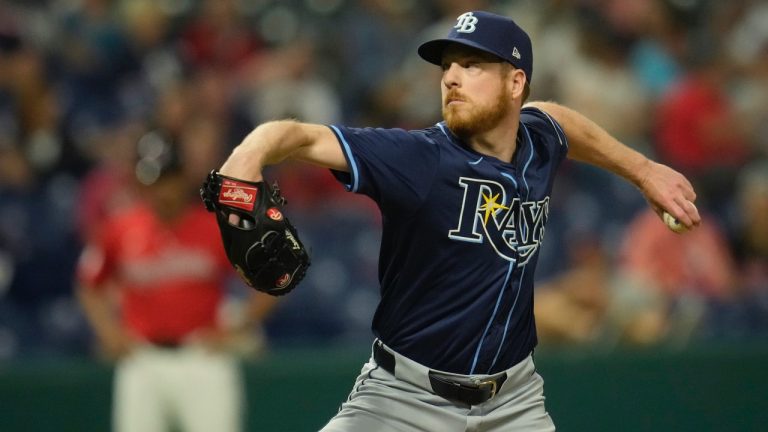
The 30-year-old reliever also spent part of the 2025 season outside the Mets organization. In addition to his time with New York, he pitched for the Toronto Blue Jays during the year. Across both teams, Lovelady threw 11⅔ innings in the major leagues and posted an 8.49 ERA. Although the number appears high, relief pitchers often face statistical volatility because they work in relatively small inning totals, meaning a few difficult outings can dramatically impact overall results.
Before being reclaimed by the Mets, Lovelady briefly joined the Nationals during spring training. His time with Washington was short but relatively productive. In four spring training innings, he posted a 2.25 ERA and showed signs that he might earn a role in the team’s bullpen. However, roster decisions during spring training often come down to contract structures and organizational priorities rather than strictly performance.
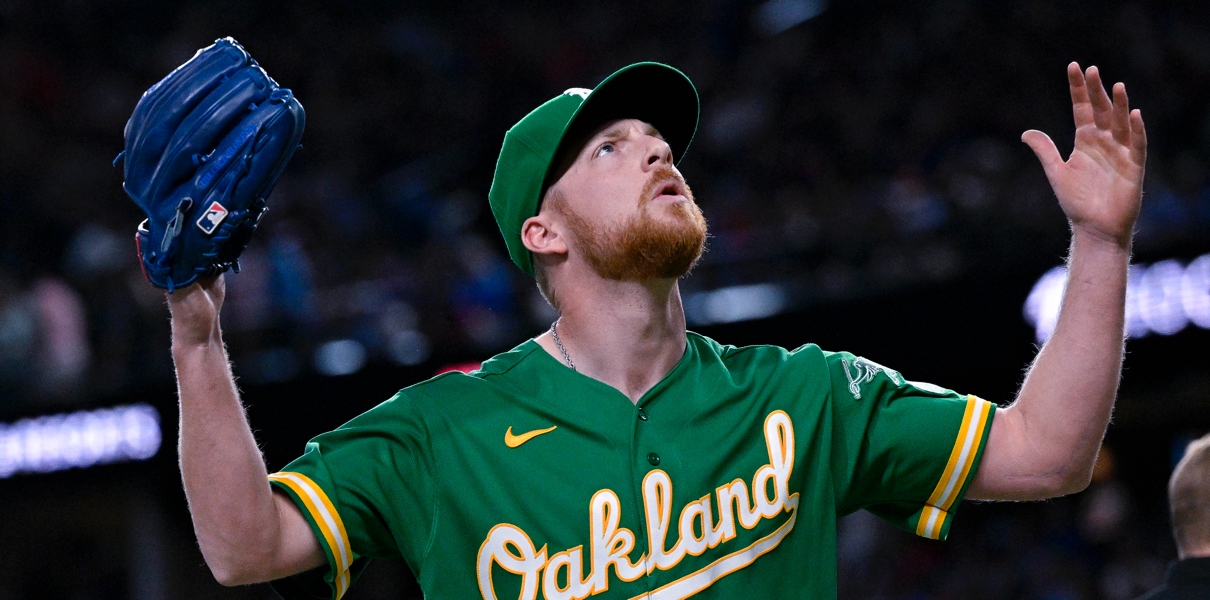
The Nationals ultimately designated Lovelady for assignment after signing right-handed pitcher Zack Littell. Littell’s arrival required the team to clear a spot on the roster, and Lovelady became the odd man out. Once he was placed on waivers, the Mets quickly acted to bring him back into their system.
The move reflects a common strategy used by teams across Major League Baseball, where bullpen depth is constantly reshaped throughout the season. Relief pitchers frequently move between organizations, and teams often reclaim players they are already familiar with rather than searching for completely new options. For the Mets, Lovelady’s familiarity with the organization and its pitching development staff likely played a role in the decision to bring him back yet again.
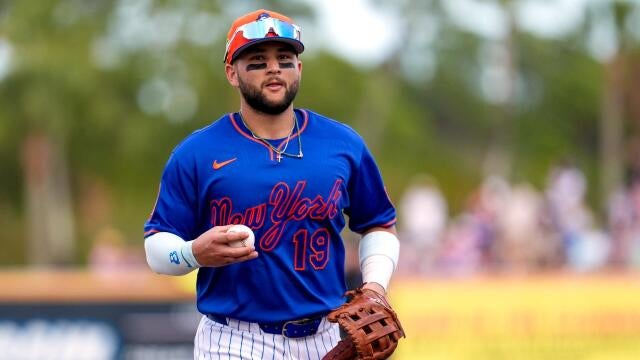
At the same time, Hagenman’s injury adds another layer of complexity to the Mets’ pitching plans. Rib fractures can be particularly challenging for pitchers because the injury affects the core muscles used in throwing. Recovery often requires extended rest followed by a gradual buildup in throwing activity before a pitcher can return to game action. With Hagenman expected to miss at least the first two months of the season, the Mets will need additional depth to cover innings early in the year.
Lovelady could serve as part of that depth, either as a member of the major league bullpen or as a pitcher who can move between the big league roster and Triple-A as needed. His strong minor league numbers last year suggest he could still be an effective option in certain matchups, particularly against left-handed hitters.

For now, the Mets appear willing to continue the transactional cycle that has defined Lovelady’s recent career. While his path through the organization has included multiple designations for assignment and returns via waivers or free agency, the repeated moves also demonstrate that the team sees value in keeping him within its pitching pipeline.
Whether Lovelady ultimately secures a stable role in the Mets bullpen remains uncertain. But his return once again underscores the unpredictable and constantly shifting nature of roster management in modern baseball, where teams frequently shuffle players in search of the right combination of talent, depth, and flexibility to navigate the long and demanding season ahead. ⚾