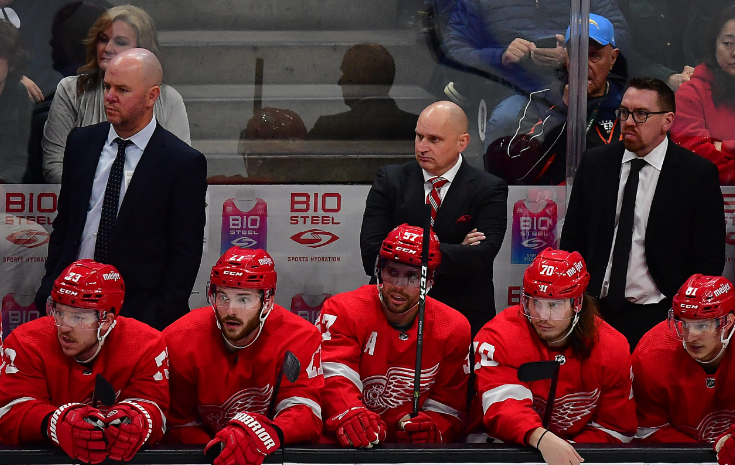
An impending trade freeze across the NHL ahead of the Olympic break is fast approaching, but there remains a narrow window for teams to finalize deals before rosters effectively lock. For the Detroit Red Wings, that window could represent a pivotal moment in a season that has already exceeded expectations. For the first time in more than a decade, Detroit has positioned itself as a legitimate buyer at the trade deadline, signaling a shift away from long-term rebuilding and toward immediate contention.
It has been over ten years since the Red Wings made a truly meaningful acquisition at the deadline with playoff success in mind. In recent seasons, Detroit has either sold assets or remained largely inactive, prioritizing patience and internal development. This year, however, the circumstances are markedly different. The Red Wings have emerged as one of the Eastern Conference’s more consistent teams, blending a young core with veteran stability and finding themselves firmly in the playoff picture as the Olympic break nears.

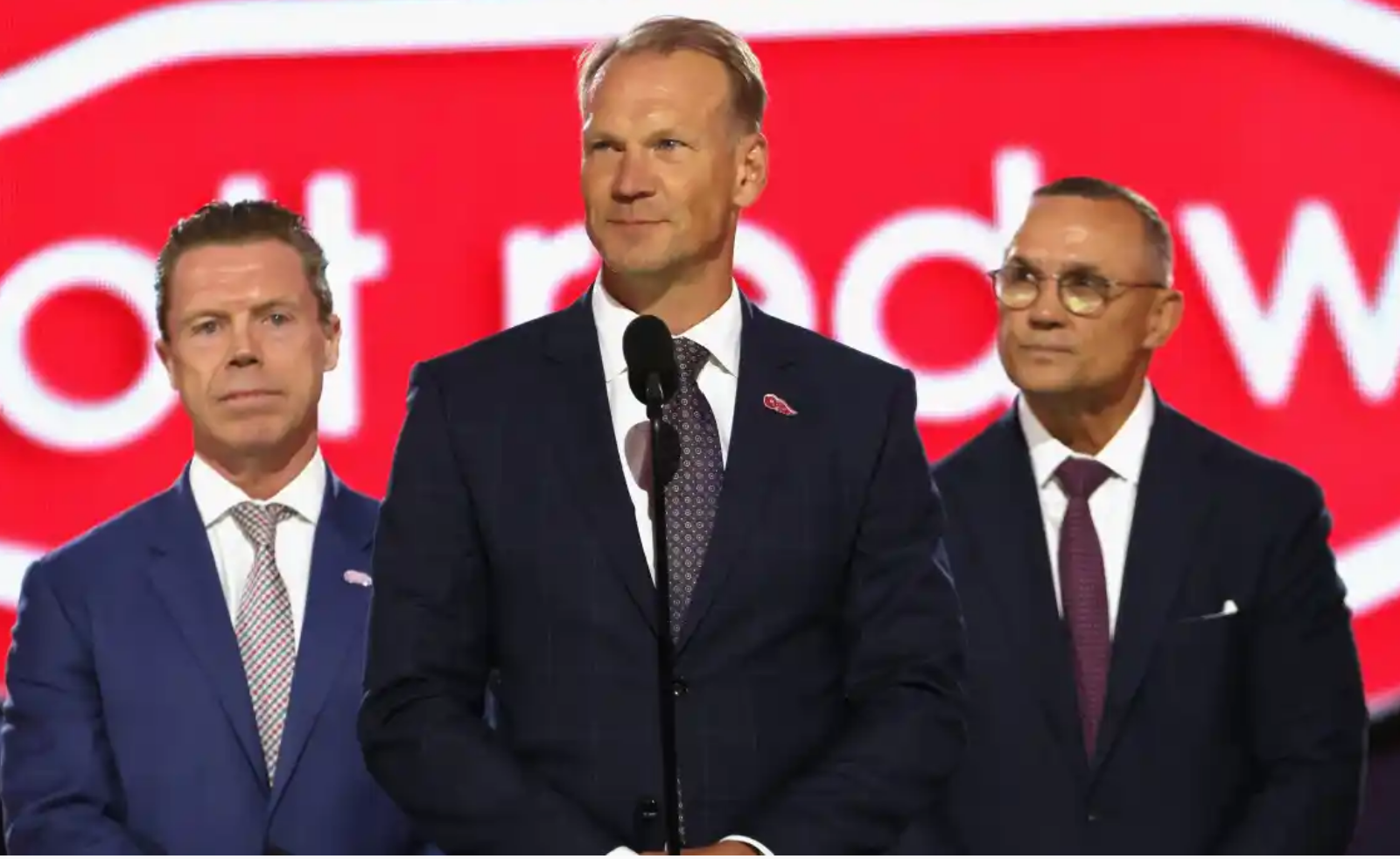
Detroit currently occupies second place in the Atlantic Division, trailing only the Tampa Bay Lightning. While the Red Wings have built a cushion over the wild-card line, the race within the division remains tight. Several teams sit uncomfortably close in the standings, making it clear that a strong finish will be required to maintain home-ice advantage or even secure a top-three divisional spot. That competitive pressure has only intensified discussions about whether now is the right time for general manager Steve Yzerman to strike.
The Red Wings have not been without flaws. Offensively, the team has been solid but unspectacular, ranking in the middle of the league in goals per game. At times, Detroit has struggled to generate consistent scoring at five-on-five, particularly against stronger defensive opponents. While the club has received contributions throughout the lineup, there is a growing sense that an additional offensive catalyst could elevate the team from playoff participant to legitimate threat.

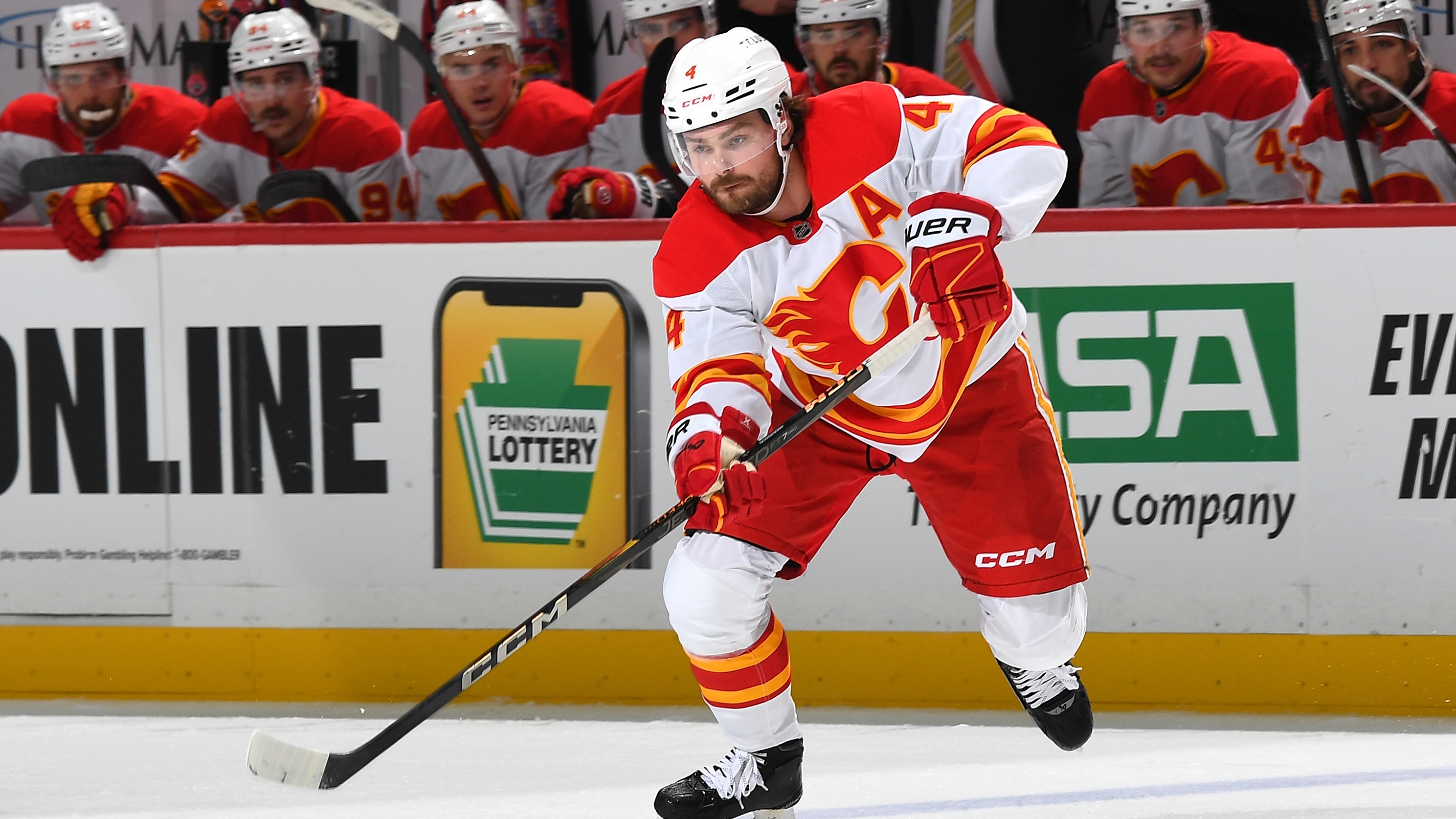
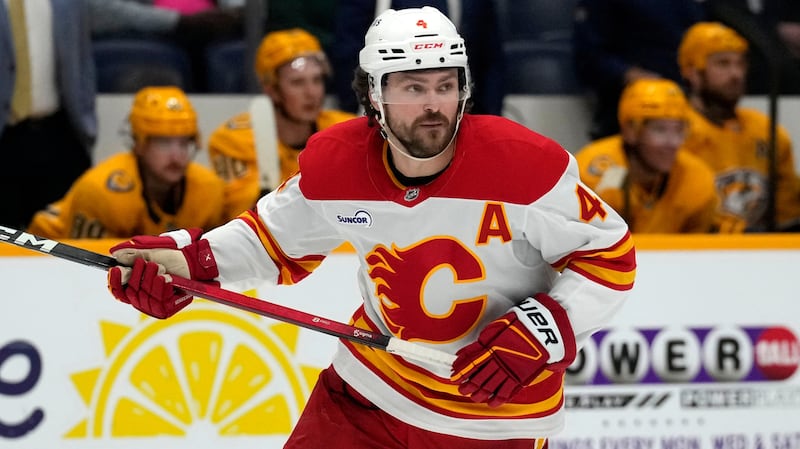
Detroit had been linked in recent weeks to Calgary Flames defenseman Rasmus Andersson, a right-shot blueliner who would have addressed depth and puck movement on the back end. Those rumors, however, came to an end when Andersson was ultimately dealt elsewhere. With that option no longer available, league sources believe Detroit has shifted its focus toward bolstering its forward group, with center emerging as a priority position.
Steve Yzerman has long emphasized balance, flexibility, and sustainability in roster construction. He has rarely chased short-term solutions or pure rentals, preferring players who can contribute beyond a single playoff run. That philosophy has guided Detroit’s rebuild and now informs its approach as a buyer. Any move the Red Wings make before the trade freeze is expected to align with both their immediate goals and their longer-term vision.

One factor working in Detroit’s favor is cap space. The Red Wings are in a strong financial position and can absorb a significant contract without having to move money out. That flexibility opens the door to a broader range of targets and allows Detroit to avoid complicated multi-team deals. Additionally, the organization still boasts one of the deeper prospect pools in the league, giving Yzerman valuable trade currency if he chooses to use it.
That said, the front office faces a delicate balancing act. While the Red Wings are clearly ahead of schedule in their development, they are not yet viewed as a finished product. Trading away premium draft picks or top prospects carries risk, especially for a team that has spent years accumulating those assets. The question becomes whether the current roster is strong enough to justify a bold move, or whether patience remains the wiser course.

Internally, there is growing belief that this group has earned reinforcement. The Red Wings’ young core has responded well to increased responsibility, and veteran leaders have provided stability during high-pressure stretches. The team has shown an ability to win close games and respond to adversity, traits often associated with playoff success. Adding another proven contributor could help solidify Detroit’s identity and provide insurance against injuries or late-season fatigue.
The Olympic break adds another layer of urgency. Once the freeze takes effect, teams will be forced to ride out the remainder of the regular season with largely intact rosters. For contenders on the bubble, standing pat can be risky. Detroit’s position near the top of the division offers some breathing room, but the margin remains thin enough that a short slump could quickly change the picture.
Around the league, rival executives are taking note of Detroit’s posture. The Red Wings are no longer viewed as a rebuilding team looking to shed contracts or audition young players. Instead, they are seen as a club willing to engage in meaningful trade discussions, provided the price and fit are right. That perception alone marks a significant turning point for the franchise.
Whether Detroit ultimately pulls the trigger before the trade freeze remains uncertain. Yzerman has never been one to act out of desperation, and any deal would need to meet his exacting standards. Still, the combination of strong standings, financial flexibility, and a receptive locker room suggests the Red Wings are closer than they have been in years to making a statement move.
As the clock ticks toward the Olympic pause, Detroit finds itself in unfamiliar but exciting territory. The Red Wings are contenders again, not in theory, but in reality. The decisions made in the coming days could shape not only the remainder of this season, but the direction of the franchise moving forward. For a team that has waited a long time to matter again in the trade deadline conversation, the opportunity is finally there — and the hockey world is watching to see whether Detroit seizes it.