Myles Pollard’s football journey began in Nashville, Tennessee, where he attended Ravenwood High School. There, he quickly emerged as a standout defensive back, earning regional honors and playing a key role in his team’s success at the state level. Pollard’s combination of size, athleticism, and instincts — standing around 6-2 and 190 pounds — made him an intriguing prospect early on. His length and competitive nature were standout traits, allowing him to excel in press coverage and one-on-one matchups against top wide receivers in Tennessee high school football.
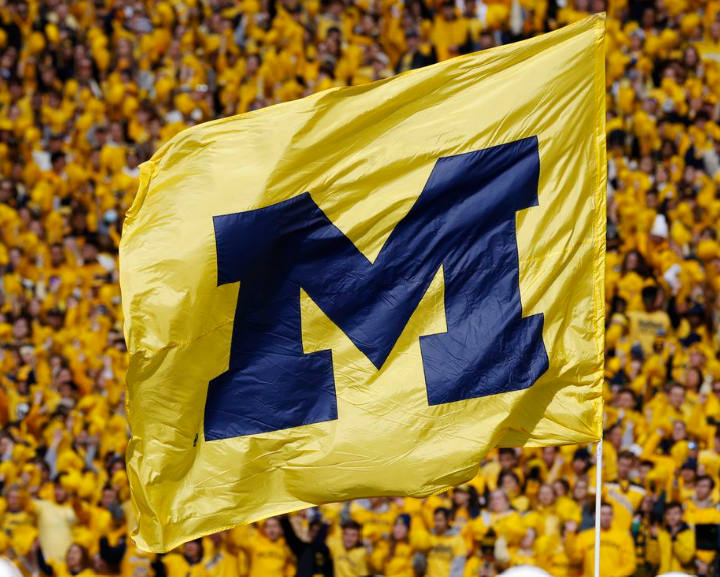
His high school performance earned him national recruiting attention, including offers from major Power Five programs. Ultimately, he committed to the University of Michigan, choosing to pursue his collegiate career at one of the nation’s premier football programs.

Collegiate Beginnings at Michigan
At Michigan, Pollard entered as part of the 2022 recruiting class, where he joined a talented defensive back group. His signing was celebrated by fans and analysts for his physical tools and potential to develop into a starter within Michigan’s defense. Standing at 6-2 with solid length and coverage ability, Pollard was perceived as a player who could grow into an impactful role with patience and coaching.
However, much like many defensive backs in Power Five programs, Pollard’s opportunity for playing time was limited. Over three seasons with the Wolverines, he appeared in games primarily in a reserve role and on special teams. According to his Michigan and Memphis profile, he saw limited defensive snaps and contributed modestly in terms of statistics, though his presence as a developmental piece was still valuable.
Entering the Transfer Portal
After limited playing time at Michigan, Pollard entered the NCAA transfer portal to seek a new opportunity where he could play a larger role on defense. This decision is a growing trend in college football, as players leverage the portal to find programs that offer more immediate playing time and a better fit for their skills.
Once in the portal, Pollard’s experience and physical attributes made him a desirable target for other programs. One of the schools that pursued him was the University of Memphis, offering him a chance to return closer to home. Pollard eventually committed to Memphis, where he hoped increased opportunity would accelerate his development and showcase his talents more fully.
The Move to East Carolina
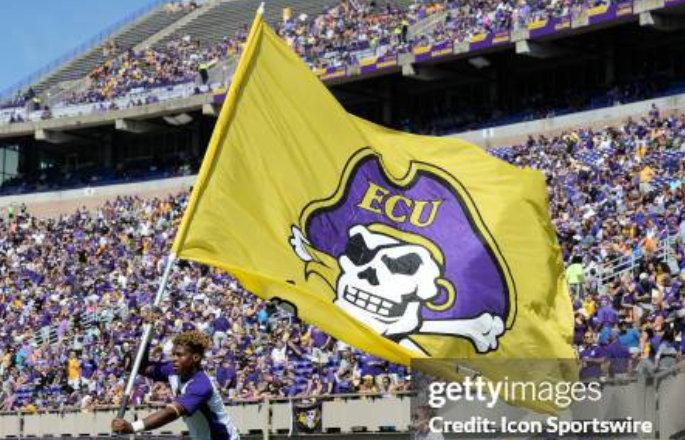
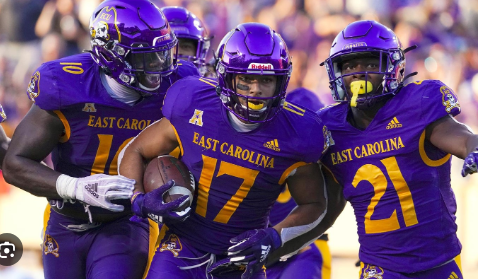
Most recently, Pollard has continued his journey by signing with East Carolina University (ECU), a program competing in the American Athletic Conference (AAC). The ECU Pirates’ decision to add Pollard to their roster gives both the player and the program something to be excited about as the 2026 season approaches.
Why Pollard Matters to ECU’s Football Program
Elevating the Secondary with Size and Experience
One of the primary reasons ECU pursued Pollard was his size and athletic profile — uncommon traits that can immediately bolster any college secondary. At around 6-2 with a long wingspan and physical style, he brings a versatile presence to ECU’s defensive backfield. This versatility means he can play multiple roles, including press coverage on the outside, support in zone defense, and contributions against the run when required.
Additionally, Pollard brings experience from big programs in the Big Ten and the AAC. Having practiced and competed within two different defensive cultures (Michigan’s and Memphis’s), he offers a matured understanding of advanced defensive schemes that many younger players on ECU’s roster might still be developing.
Leadership and Veteran Presence
At ECU, Myles Pollard isn’t just another recruit — he’s a veteran player with years of exposure at high-level collegiate football. His journey through different programs and coaching environments means he can be a leader in the locker room, particularly for younger defensive backs.
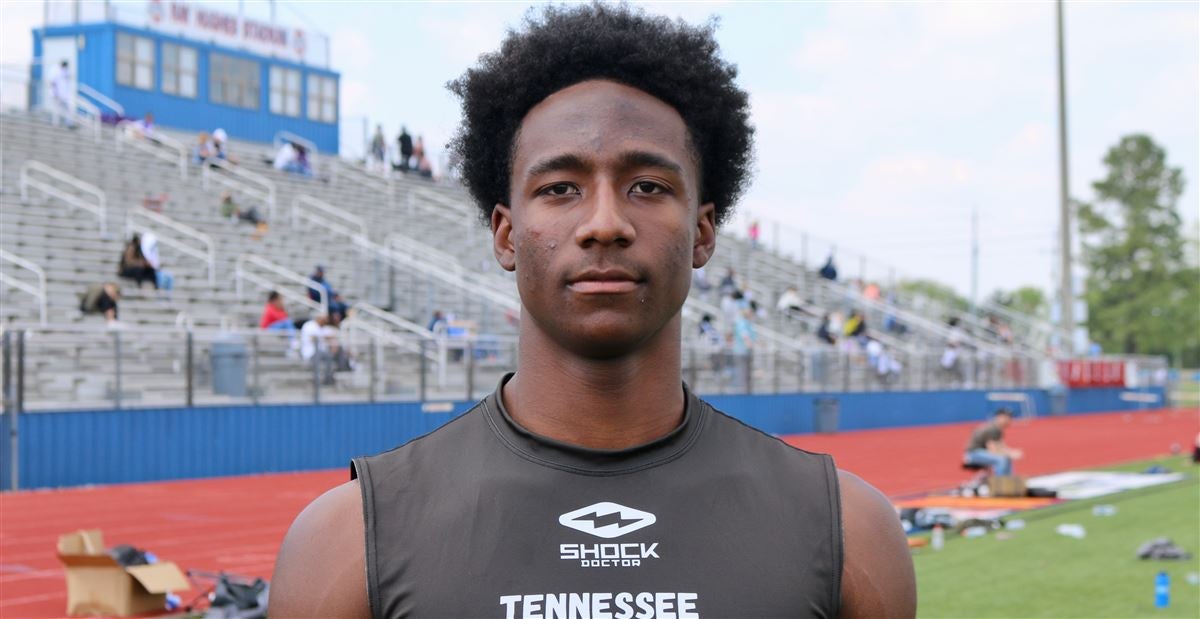
In college football, leadership in the secondary is crucial. Team communication, coverage adjustments, and on-field awareness are all amplified when a seasoned player anchors that unit. Pollard’s blend of experience and physical traits positions him well to mentor younger players and help enhance the overall cohesion of ECU’s defense.
Adding Competition and Depth
Depth is one of the most underrated components of program building. A deep, competitive roster allows defensive coordinators to rotate players without suffering a significant drop in performance. Pollard’s addition gives ECU another option at cornerback or safety, depending on how the coaching staff chooses to deploy him.
Competition breeds improvement. If Pollard pushes for a starting spot or even a top-three role in the defensive back rotation, it will also raise the level of play among his new teammates. This healthy competition is often how programs elevate themselves within their respective conferences.
Pollard’s Skills and Playing Style
Understanding what Pollard brings on the field requires evaluating his skill set and how it fits into ECU’s defensive philosophy.
Physical Tools
Pollard’s size is one of his standout traits for a defensive back. At 6-2 with a lean, athletic build, he can match up against taller receivers and tight ends in contested catch situations — an increasingly valuable trait in modern pass-heavy offenses. His length and physicality help him in press coverage, making it difficult for receivers to get clean releases off the line.
Coverage and Play Recognition
While he didn’t compile gaudy statistics at Michigan or Memphis, Pollard’s instinctive play recognition and ability to read routes are valuable assets. Defensive backs must anticipate quarterback decisions and break on the ball quickly. Pollard’s experience with different competition levels and offensive schemes aids this. Moreover, his transition from reserve to more prominent roles at his new program could unlock a higher level of performance now that he’s expected to contribute more consistently.
Adaptability and Scheme Fit
Players like Pollard, who have experienced multiple coaching systems, often adapt quickly to new defensive schemes. This adaptability is especially useful under a defensive coordinator who likes to mix coverages and alignments. If ECU’s defensive staff values versatility, Pollard could be deployed in several roles — including zone coverage packages, man-to-man assignments, and potentially even special teams when needed.
Context: Transfer Portal and College Football Modernization
Pollard’s journey is emblematic of how college football is evolving. The NCAA transfer portal has fundamentally changed how players navigate their careers. Instead of staying at one program for their entire collegiate tenure, players like Pollard now seek the best possible opportunity to showcase their talents, contribute meaningfully on the field, and potentially improve their professional prospects.
For ECU, signing such a player is also part of modern roster management: filling immediate needs, adding veteran presence, and creating depth without waiting years for a high school recruit to develop. For Pollard, it’s about finding a defensive backfield where he can make an impact, play meaningful snaps, and potentially elevate his visibility to professional scouts.
Conclusion: A Strategic and Promising Union
The commitment of Myles Pollard to East Carolina University is a win-win for both player and program. Pollard gets a fresh start and a real chance to contribute to meaningful defensive action for a competitive AAC program. At the same time, ECU fortifies its secondary with a physically gifted, experienced defensive back — a piece that can help shape their defensive identity in 2026 and beyond.
This move reflects the shifting landscape of college football — one in which mobility, opportunity, and adaptability are just as vital as raw talent. Pollard’s transition from Michigan to Memphis, and now to ECU, highlights how players can carve out their paths and continue pursuing growth, impact, and success at multiple stops along the way.