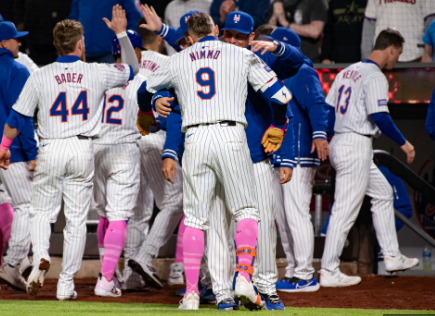
The New York Mets, fresh off an aggressive offseason of signings and trades, still face one glaring issue as they prepare for the 2026 season: starting pitching. While the team has improved in many areas, adding offensive firepower and bolstering its bullpen, the rotation remains a weak point that could determine whether the Mets are legitimate World Series contenders. Analysts and insiders alike have highlighted that, despite recent activity, the Mets are still in need of innings-eating, reliable starters capable of competing in high-leverage situations. It is in this context that the Pittsburgh Pirates’ right-handed pitcher Mitch Keller has emerged as a potential trade target, sparking conversation about how New York could continue to adjust its roster before Opening Day.
Keller, now in his late twenties, is not considered an ace in the traditional sense. His numbers in recent seasons have been solid but not spectacular, typically hovering around a mid-3.50 ERA with occasional flashes of dominant stuff. However, what he does provide is stability and durability — the ability to log innings at the Major League level while keeping the team in games. For a Mets rotation that has experienced inconsistency and injury concerns, this type of reliability is exactly what the front office appears to be seeking. While Keller may not headline highlights or dominate headlines, his skill set fits the profile of a veteran who can bridge gaps in a rotation built to compete immediately, rather than develop slowly over the next several seasons.

TJ French of Heavy Sports recently outlined a trade scenario in which the Mets acquire Keller in exchange for Jacob Reimer, a sixth-ranked prospect in Pittsburgh’s system. Reimer is a young arm with upside but unproven at the Major League level. In this hypothetical deal, the Mets would gain immediate pitching help, while the Pirates would secure a controllable future talent to aid their rebuilding efforts. The proposal highlights a classic trade-off in Major League Baseball: one team prioritizes winning now with an established player, while the other emphasizes long-term development with younger assets. This kind of transaction reflects the Mets’ current strategy, which appears laser-focused on short-term contention, even if it requires moving promising prospects for immediate roster improvements.
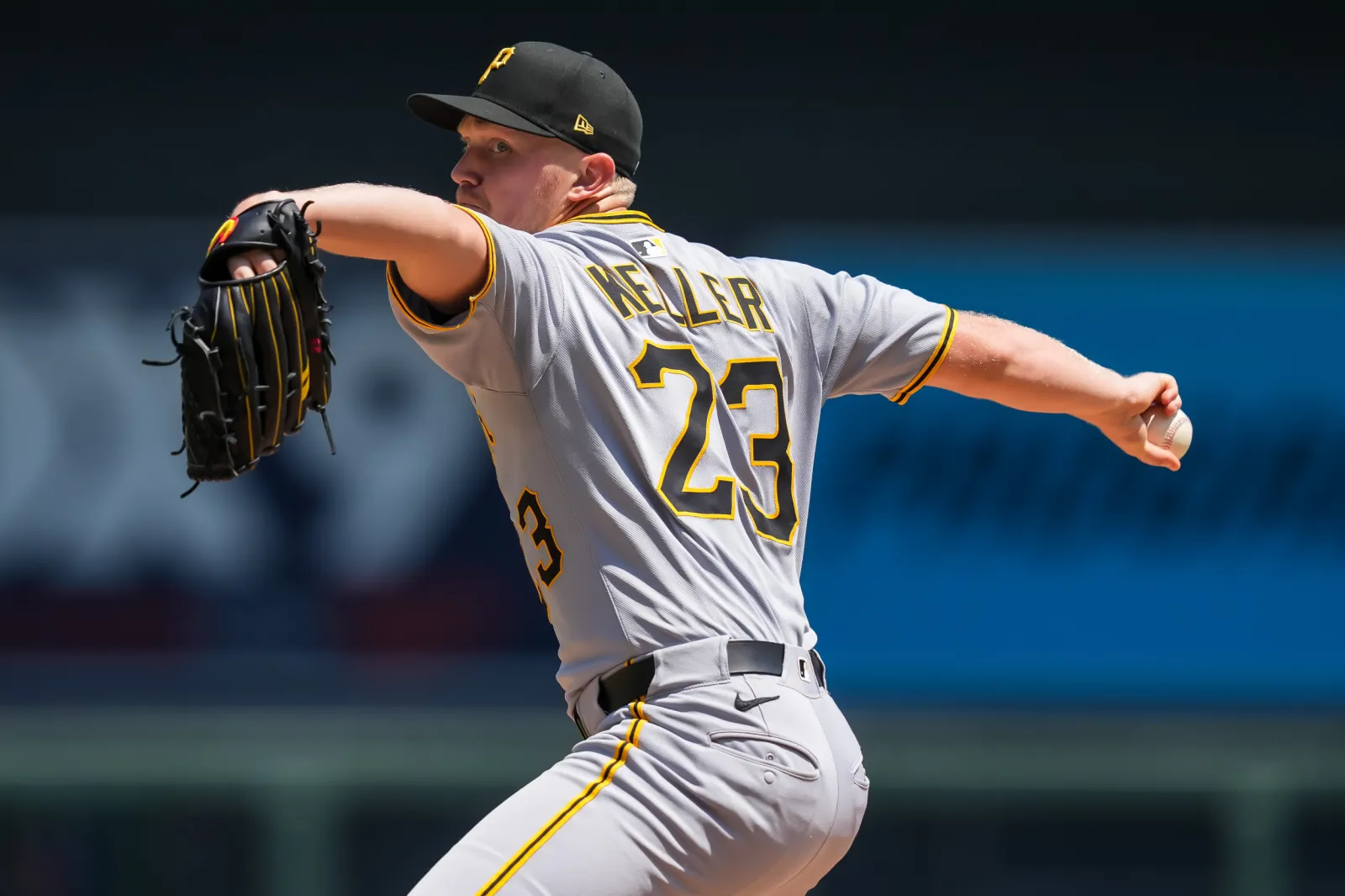
For the Mets, acquiring Keller would help address one of their most pressing concerns. Despite having a strong bullpen and a well-rounded lineup, New York’s starting pitching has been inconsistent. Injuries to key starters in recent seasons have exposed depth issues, leaving the team vulnerable in series against elite offenses. Keller’s ability to provide innings and eat outs without demanding an ace-level performance could stabilize the rotation, allowing the Mets to maintain a competitive edge over division rivals and contend deep into the postseason. While he may not transform the staff overnight, his addition would provide both insurance and flexibility, two qualities that the Mets value highly as they pursue a championship.

From the Pirates’ perspective, Keller represents a veteran whose current contract carries value but does not necessarily align with Pittsburgh’s longer-term rebuilding timeline. The team has been vocal about its willingness to listen on veterans if the return fits its future-focused strategy. In this scenario, Jacob Reimer provides a young, controllable arm with upside, which could contribute to the Pirates’ rotation down the line. Additionally, if the Mets absorb most or all of Keller’s salary, it alleviates Pittsburgh’s financial obligations, freeing resources for other moves, including the potential to acquire offensive help a current area of need for a team still trying to build depth and balance.
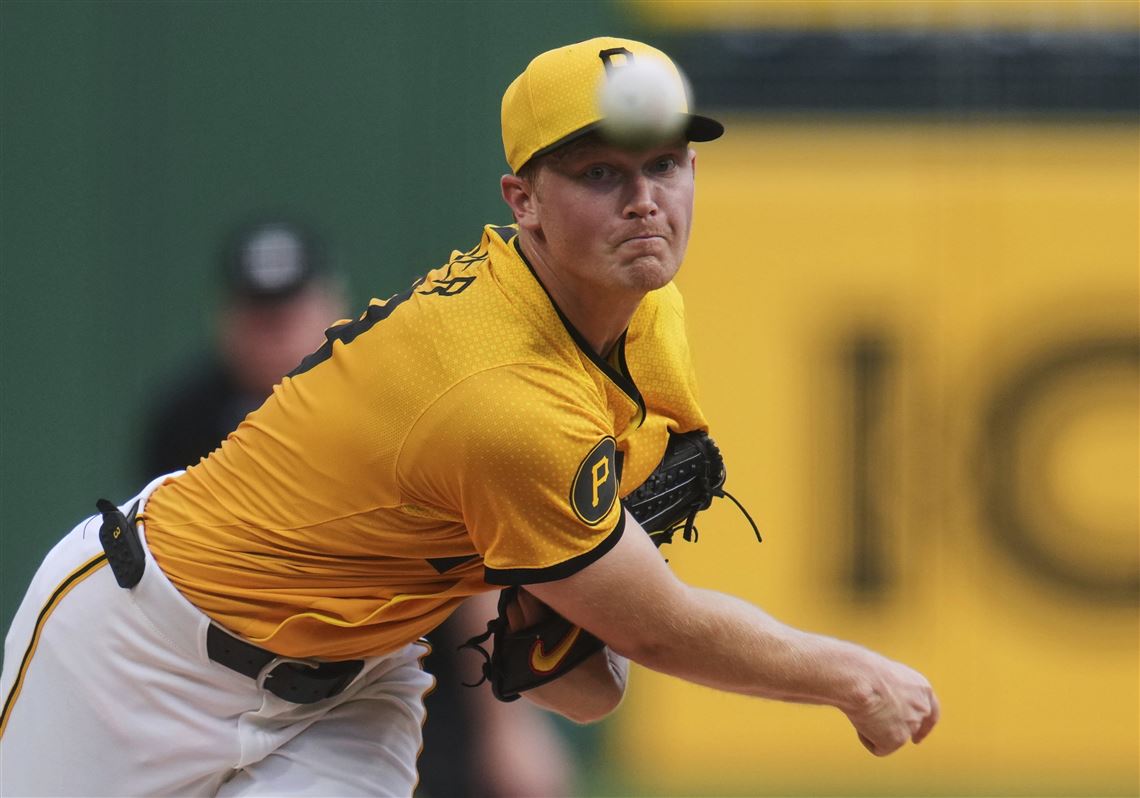
There are, however, caveats to this proposed deal. Keller is primarily a starting pitcher and would not address Pittsburgh’s immediate offensive needs. The Buccos continue to search for power and depth in their lineup, areas where Keller offers no tangible contribution. From a Mets standpoint, the trade makes sense in terms of rotation depth, but it also relies on giving up a young arm who may develop into a solid contributor. While Reimer is not a top-tier prospect at the moment, he represents a potential future rotation piece for Pittsburgh, making the trade a calculated risk for both organizations. This type of strategic balancing is common in MLB, where short-term and long-term goals frequently collide, and front offices must weigh the impact on competitiveness against development and payroll considerations.
Beyond the specifics of Keller and Reimer, the conversation underscores a broader trend in Major League Baseball: teams are increasingly using the trade market as an extension of free agency, leveraging existing assets to fill immediate gaps while still planning for the future. The Mets’ rumored interest in Keller reflects an awareness that, even after an aggressive offseason, the rotation remains their Achilles’ heel. By pursuing a proven starter who can provide innings and stability, New York signals its commitment to winning now, while also demonstrating a willingness to engage in creative deals that balance salary and talent.
Mitch Keller’s profile makes him particularly attractive to the Mets because he offers durability without commanding a prohibitive salary. Unlike some free-agent starters who might require multi-year, high-value contracts, Keller’s existing deal allows the Mets to secure him while maintaining flexibility elsewhere on the roster. This flexibility is crucial for a team with championship aspirations, as it permits potential midseason acquisitions or roster adjustments without being hampered by financial constraints. Additionally, Keller’s experience against a range of Major League lineups ensures that he can slot in immediately, a key consideration for a team seeking to maximize wins over the course of a 162-game season.
In terms of public perception, a Keller trade would likely be seen as a practical, if unspectacular, move. Fans often gravitate toward headline-grabbing signings, but in reality, the ability to log innings and keep the rotation steady can be just as valuable in a playoff push. The Mets have been deliberate in constructing their roster, balancing marquee acquisitions with role players who fulfill specific needs. Keller, in this framework, represents a player whose contributions may be understated but essential for long-term success and postseason viability.
For the Pirates, acquiring Jacob Reimer is an opportunity to continue building a pipeline of young talent while offloading a veteran whose best years may already be behind him. Reimer provides controllable value and, with proper development, could grow into a reliable rotation piece for Pittsburgh. Coupled with the financial relief that comes from moving Keller’s salary, the trade fits neatly into the Pirates’ broader rebuilding strategy. The organization has repeatedly signaled that it prioritizes long-term upside over short-term gains, and the addition of a promising prospect aligns with that philosophy.
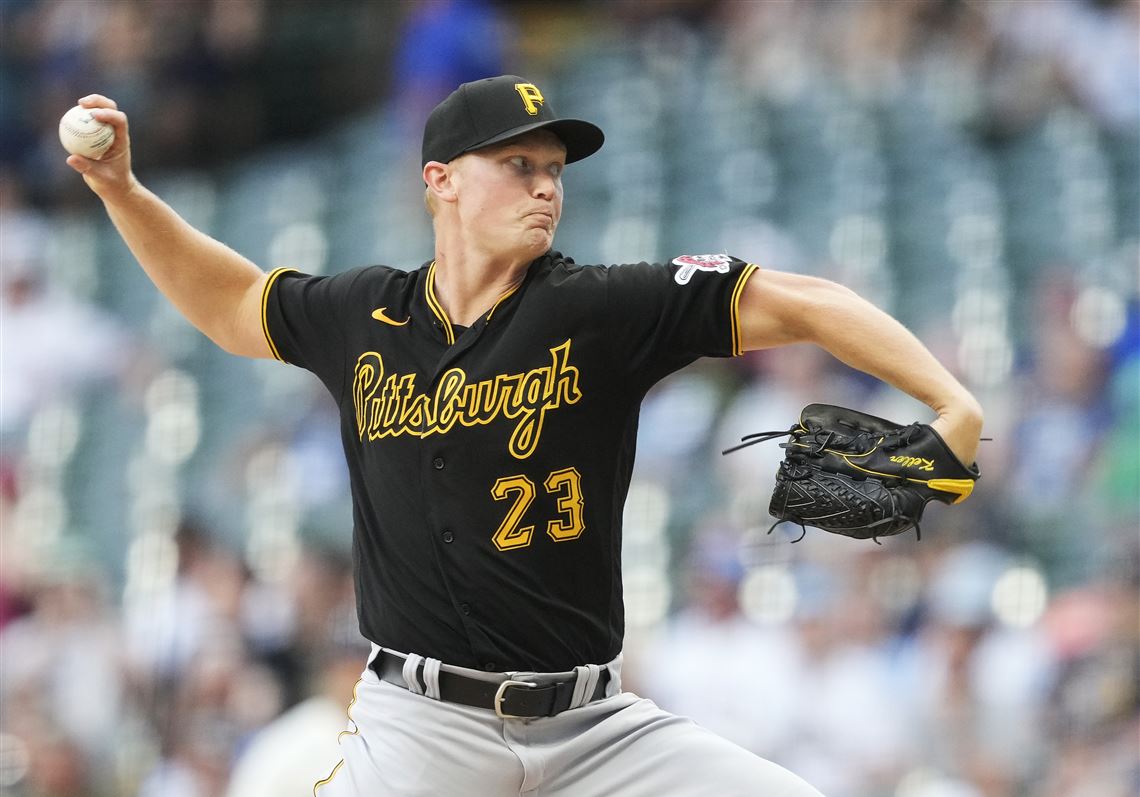
Ultimately, the Keller trade discussion illustrates the delicate calculus involved in MLB roster management. Teams must weigh immediate performance against future potential, salary constraints against competitive ambitions, and organizational philosophy against market realities. For the Mets, the appeal of Keller is straightforward: he addresses a rotation weakness with a player who can contribute now. For the Pirates, the trade offers a young asset and payroll flexibility, but at the cost of losing a veteran starter. The outcome of such discussions will depend on evaluations of talent, financial considerations, and each team’s willingness to accept calculated risks.
As trade season continues to unfold across Major League Baseball, it is clear that teams like the Mets and Pirates are exploring every avenue to improve their rosters. While free agency has dominated headlines, the trade market remains a critical mechanism for addressing needs in real time. A potential Mitch Keller deal illustrates how teams navigate these waters, balancing immediate competitiveness against future development. For New York, acquiring a dependable starter could provide the final piece of the rotation puzzle, while for Pittsburgh, gaining a young arm in return could advance their long-term objectives. The coming weeks will likely see discussions intensify, and fans on both sides of the trade will be watching closely to see if speculation turns into reality.