
The Seattle Mariners opened the 2026 international signing period with a major splash, securing several highly regarded young prospects from Latin America, headlined by outfielder Juan Rijo, who reportedly received a $2.2 million bonus. The move highlights Seattle’s commitment to building a strong, sustainable talent pipeline and underscores the team’s strategy of blending high-upside international signings with a robust player development system.
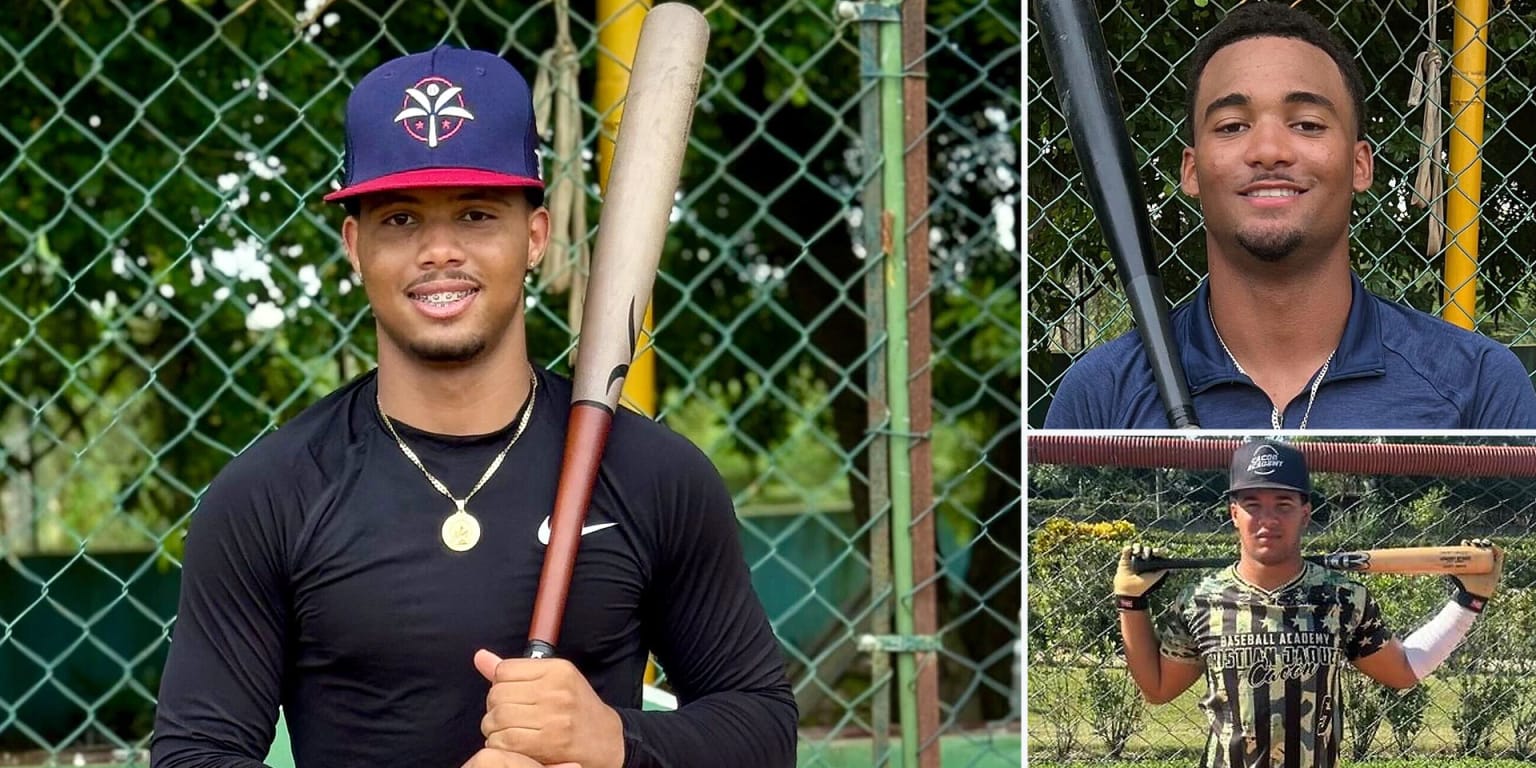
Rijo, a left-handed hitting outfielder from the Dominican Republic, is ranked among MLB Pipeline’s Top 50 international prospects and has been on scouts’ radars for years. At just 17 years old, Rijo has drawn attention for his advanced approach at the plate, the ability to spray the ball to all fields, and his athleticism in the outfield. While still raw in some areas particularly in terms of professional-level pitching adjustments his combination of power potential, contact ability, and defensive skills makes him one of the most coveted international talents in this signing period.
“He’s polished for his age,” one scout said. “He already has a feel for hitting that few teenagers possess. He has the bat speed, the athleticism, and the tools to become a future impact player in the outfield.”
Rijo was just one of three key signings for Seattle in the early days of the international window. Alongside him, outfielder Gregory Pio reportedly received a $2.9 million bonus, while shortstop Leonardo Reynoso signed for approximately $750,000. The Mariners’ approach — spreading their pool money across several high-upside players rather than concentrating all resources on one — reflects a broader organizational philosophy of depth-first player acquisition. By investing in multiple talented prospects, the Mariners aim to mitigate risk while ensuring a steady flow of potential major league contributors over the next several years.
Seattle’s international strategy has proven successful in the past. The franchise’s development of players such as Julio Rodríguez a top international signee who has become one of the team’s brightest stars has validated the approach. Scouts point to Rodríguez as an example of what can happen when talent acquisition is paired with deliberate development and resources, a model the Mariners are attempting to replicate with Rijo and this year’s signings.
Rijo’s signing is particularly noteworthy because the Mariners possess one of the largest international bonus pools in baseball this year, giving them the flexibility to pursue top-tier talent. The organization chose to allocate a significant portion of that pool to a few premium prospects while retaining room to pursue additional targets later in the window. This approach allows Seattle to compete for elite talent without overcommitting to any single player or risking the club’s overall bonus pool integrity.
Analysts say Rijo’s profile fits the Mariners’ long-term vision. While it is unlikely he will reach the major leagues immediately, he is projected to develop into a corner outfielder who could provide power and defensive versatility. In the short term, the signing boosts the organization’s minor league depth, while in the long term, it reinforces Seattle’s pipeline of position players capable of stepping into impactful roles at the major league level.
The Mariners’ investment in Rijo and the accompanying signings also send a clear message about the organization’s priorities. After several years of leaning on a strong pitching core to carry the team, Seattle is doubling down on complementary talent acquisition, particularly at premium positions like the outfield and up-the-middle defense. By bolstering their system with these international prospects, the Mariners are not just preparing for the next draft class or future trades — they are actively shaping the next generation of the major league roster.
From a developmental standpoint, Rijo is expected to begin his professional career in the Mariners’ Dominican Summer League affiliate, where he will receive structured instruction, game experience, and strength and conditioning support designed to accelerate his transition from amateur talent to professional-ready prospect. Scouts will monitor his adjustment to higher velocity pitching, plate discipline, and defensive consistency, all of which will determine the trajectory of his path through the Mariners’ minor league system.
Gregory Pio, the other major signing, adds additional outfield depth and athleticism, giving the Mariners multiple options for future roster construction. Leonardo Reynoso, meanwhile, provides a talented infielder who can develop into a potential middle infield solution. Collectively, the trio represents a strategic allocation of resources aimed at building organizational depth, addressing potential positional gaps, and providing flexibility in future transactions.
The Mariners’ success in international markets is part of a broader trend across Major League Baseball, as teams increasingly recognize that building from the ground up with international talent can yield long-term cost control and high-reward upside. Players like Rijo offer a unique combination of youth, upside, and professional polish, allowing organizations to develop talent in a controlled environment and eventually contribute at the highest level.
Seattle’s decision to invest heavily in Rijo and other top international prospects also reflects an understanding of the competitive landscape. While the Mariners have steadily improved their major league roster, they face pressure from division rivals who are similarly investing in young talent and making strategic free agent moves. By securing top international prospects early in the signing period, the Mariners ensure that they remain competitive in the long term, maintaining a pipeline capable of supporting sustained major league success.
In addition to Rijo, the Mariners are expected to continue monitoring and pursuing other international prospects throughout the signing period. The organization’s robust scouting network in Latin America provides access to emerging talent in countries like the Dominican Republic, Venezuela, and Cuba, and the club has shown a willingness to invest significant resources to secure high-upside players. The combination of strategic scouting, aggressive pool allocation, and careful player development has helped Seattle become a recognized destination for top international prospects.
Ultimately, Rijo’s signing along with Pio and Reynoso represents both an immediate and long-term win for the Mariners. In the short term, it solidifies the organization’s top international class for 2026, signaling to other players and agents that Seattle is serious about competing for elite amateur talent. Over the long term, these prospects have the potential to develop into major league contributors who can anchor the Mariners’ roster for years, complementing their pitching-heavy core and helping the team contend at the highest level.
With Juan Rijo as the centerpiece, the Mariners’ international signing period has already delivered excitement and optimism for fans, scouts, and analysts alike. As these young players begin their professional journeys, the organization’s investment in talent, development, and strategic foresight will be closely watched. For Seattle, the $2.2 million outfielder is more than just a signing — he represents the future of the franchise.