
The idea of a potential Mets–Brewers trade involving Freddy Peralta has gained traction across MLB circles as offseason speculation continues to build, even though no formal negotiations or agreements have been reported. Peralta, Milwaukee’s ace and one of the most reliable starters in the National League, is entering the final year of his contract with a salary of roughly $15 million, making him a prime candidate for trade discussions as teams weigh short-term contention against long-term planning.
From the Brewers’ perspective, the logic behind a Freddy Peralta trade idea is consistent with how the organization has operated in recent years. Milwaukee has repeatedly shown a willingness to move elite pitching talent before it reaches free agency, preferring to extract maximum value rather than risk losing a cornerstone player for minimal return. The club’s history of trading high-profile arms has fueled speculation that Peralta could be next if the front office determines that a long-term extension is unlikely or financially impractical.
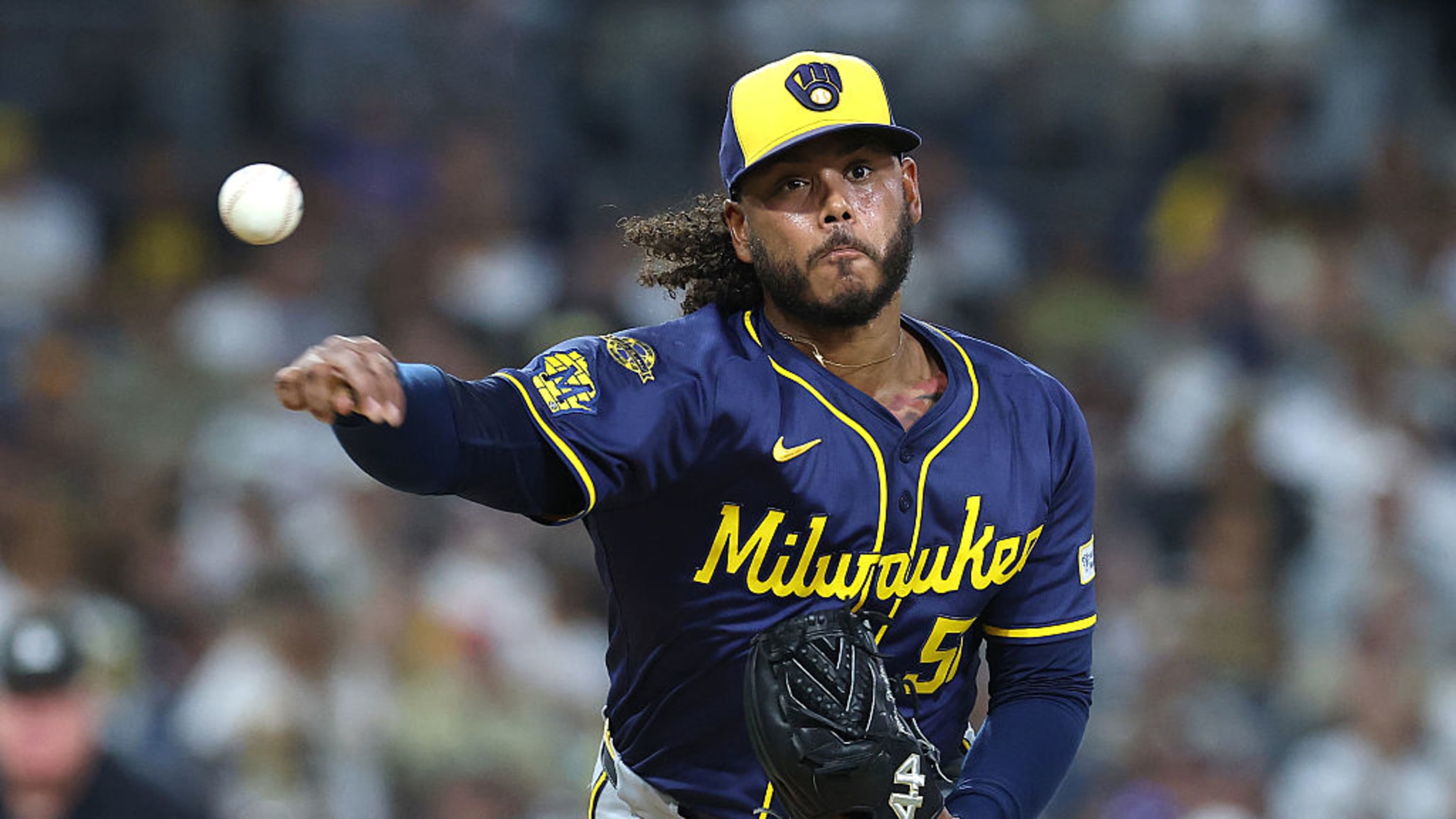
Freddy Peralta has been the backbone of the Brewers’ rotation, combining swing-and-miss stuff with durability and consistency. Over the past several seasons, he has established himself as a true frontline starter, capable of dominating lineups and pitching deep into games. His presence alone gives Milwaukee a chance to win every fifth day, which makes the idea of trading him significant rather than routine. However, for a small-market team, the financial reality of committing major long-term money to a pitcher in his 30s is a complicated calculation.

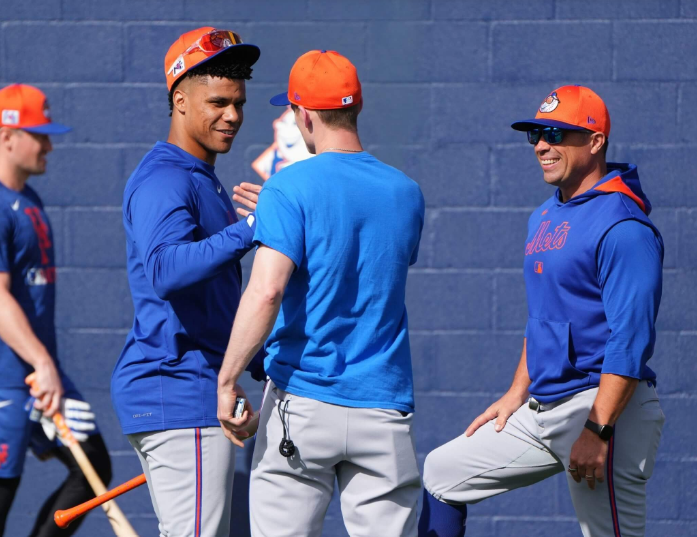
That’s where the New York Mets enter the conversation. The Mets are frequently cited as a logical landing spot for Peralta due to their competitive ambitions, financial flexibility, and organizational depth. New York has made it clear that improving the starting rotation remains a priority, particularly with an eye toward October baseball. Adding Freddy Peralta on an expiring contract would give the Mets a top-tier starter without tying them to a long-term deal that could limit future roster moves.
For the Mets, the appeal of acquiring Peralta extends beyond his talent. His contract status offers flexibility, allowing the team to push aggressively for a playoff run while preserving payroll space in future seasons. This approach aligns with the Mets’ recent strategy of avoiding long-term pitching commitments while still fielding a competitive roster. Peralta’s experience, poise, and ability to perform in high-pressure situations would instantly elevate the rotation and provide stability behind established arms.

The trade idea also highlights the Mets’ improved ability to engage in high-level negotiations. New York’s farm system and pitching depth have rebounded in recent years, giving the front office options when constructing a potential deal. Rather than surrendering their very top prospects, the Mets could assemble a package of near major league-ready players that fits Milwaukee’s development-focused model. This type of return would allow the Brewers to remain competitive while restocking their pipeline.
From Milwaukee’s standpoint, moving Freddy Peralta would not necessarily signal a rebuild. Instead, it would represent a strategic pivot one designed to extend the team’s competitive window. By trading Peralta at peak value, the Brewers could address multiple organizational needs at once, potentially acquiring controllable pitching and positional depth. Given the club’s track record of developing arms, there is confidence internally that others could step up to fill the rotation void.

Still, the decision would not be easy. Peralta is not only a statistical leader but also a clubhouse presence, respected for his work ethic and consistency. Trading him would carry risk, particularly if the Brewers believe they can contend in the upcoming season. That tension — between maximizing asset value and chasing wins sits at the heart of the current speculation.
Around the league, executives and analysts emphasize that this remains a trade idea, not an active deal. The Brewers have not publicly indicated they are shopping Freddy Peralta, and the Mets are known to be exploring multiple pitching avenues rather than focusing on a single target. Other teams have also been loosely linked to Peralta, underscoring how valuable a pitcher of his caliber would be on the open market, even in trade form.

The broader pitching landscape further amplifies the discussion. Reliable starting pitching is increasingly scarce, and teams with playoff aspirations are often willing to pay a premium for proven arms. If Milwaukee were to seriously entertain offers for Peralta, interest would likely be widespread, potentially driving up the asking price. For the Mets, that would require careful consideration of how much future value they are willing to sacrifice for a short-term boost.
Ultimately, the Mets–Brewers trade idea involving Freddy Peralta reflects the modern realities of Major League Baseball. Contracts, competitive windows, and asset management are often just as important as on-field performance. While no deal appears imminent, the conversation itself underscores how highly Peralta is valued and how closely teams are monitoring situations involving elite players on expiring contracts.
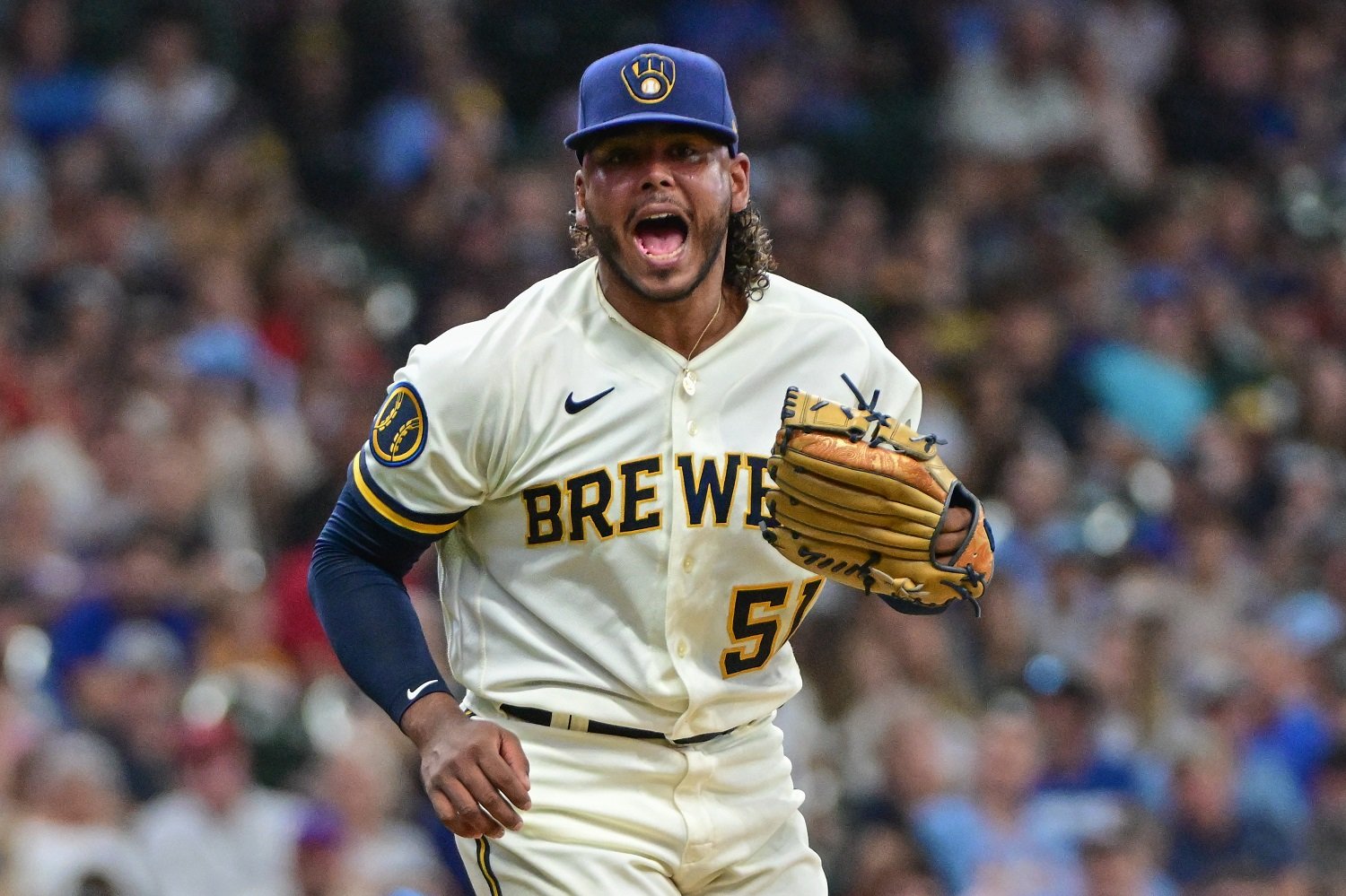
Whether Freddy Peralta remains in Milwaukee for another run or becomes one of the most impactful trade pieces of the offseason remains to be seen. What is clear is that his name will continue to surface in speculation as teams like the Mets look for opportunities to gain an edge. Until then, the scenario stands as a compelling example of how strategy, timing, and talent intersect in today’s MLB landscape.