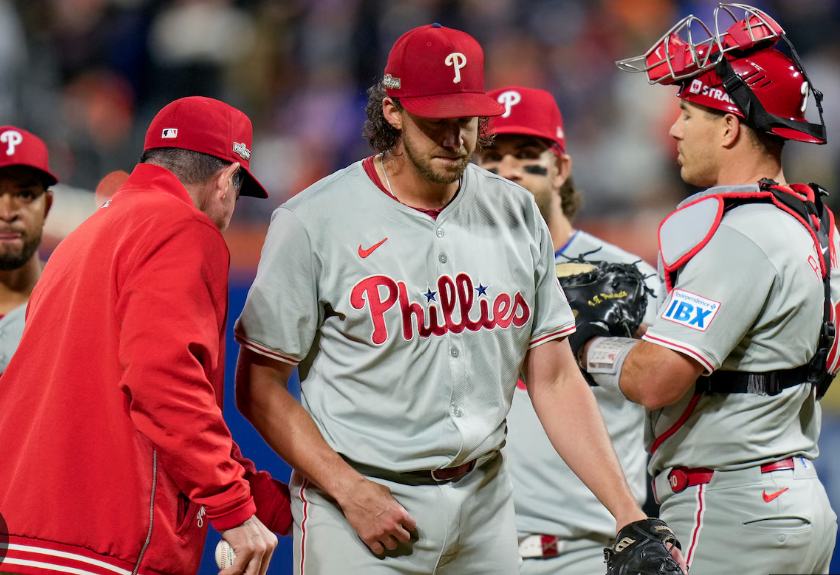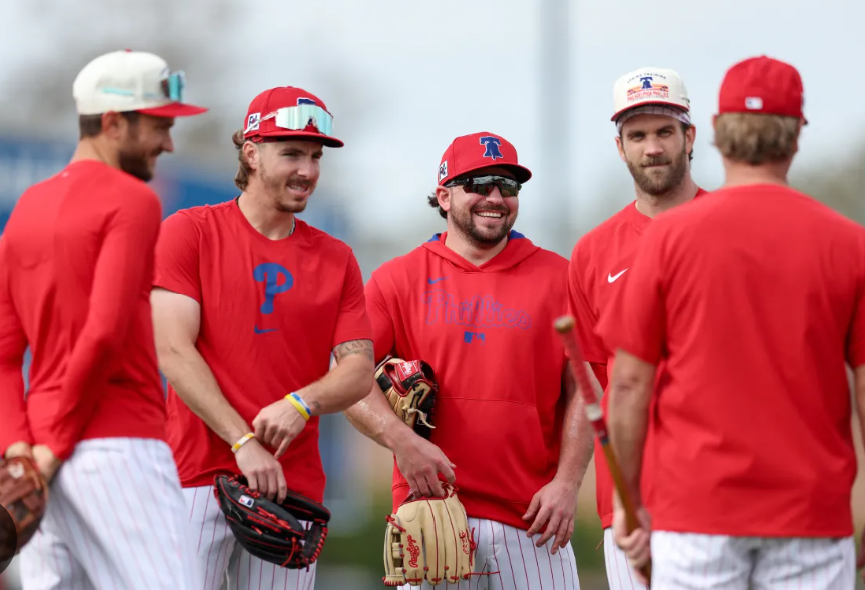
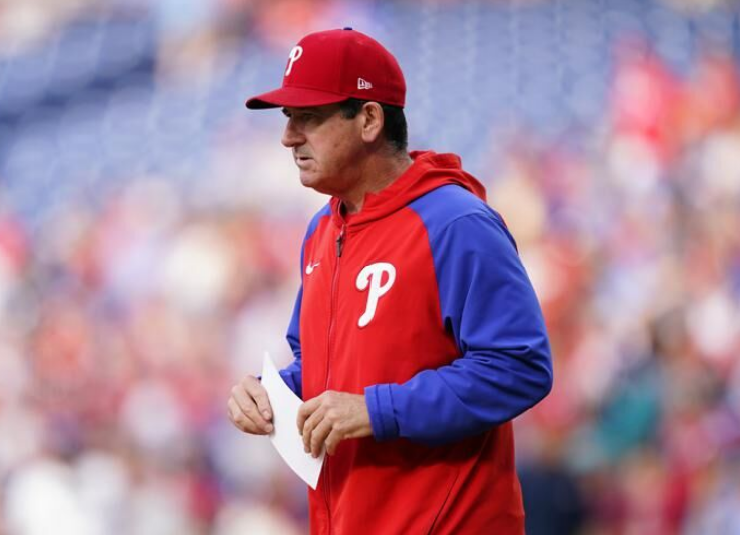
The Philadelphia Phillies enter the offseason facing a delicate balancing act. After two consecutive playoff disappointments, the organization must decide how to recalibrate for sustained success while maintaining several of the stars who have defined the team’s recent identity. Veterans like Bryce Harper, Trea Turner, and Aaron Nola remain cornerstones of the roster, and management appears committed to keeping them in place. At the same time, the front office has begun experimenting with adjustments, including targeted acquisitions and a careful review of the roster’s long-term structure.
Despite falling short of their postseason goals in consecutive seasons, the Phillies are not positioned for a full rebuild. Harper, Turner, and Nola provide proven elite-level talent and leadership, making a complete overhaul unlikely. Instead, the team is focusing on supplementing these core players with additions that can address specific weaknesses.
This offseason, the Phillies added starting pitcher Brad Keller, known for his command and durability, and outfielder Adolis Garcia, a versatile slugger capable of providing left-handed power and defensive range. Both signings appear calculated to strengthen areas where the team underperformed, particularly in run prevention and middle-of-the-order offensive depth.
Even as the team looks to enhance its roster, uncertainty looms in certain key positions. Most notably, longtime catcher JT Realmuto, one of the franchise’s most consistent performers over the past seven seasons, has entered free agency. Realmuto’s departure would mark the end of an era in Philadelphia. The seven-time Gold Glove finalist has been a stabilizing force both behind the plate and in the clubhouse, and his absence would leave a sizable void defensively and in pitch framing.
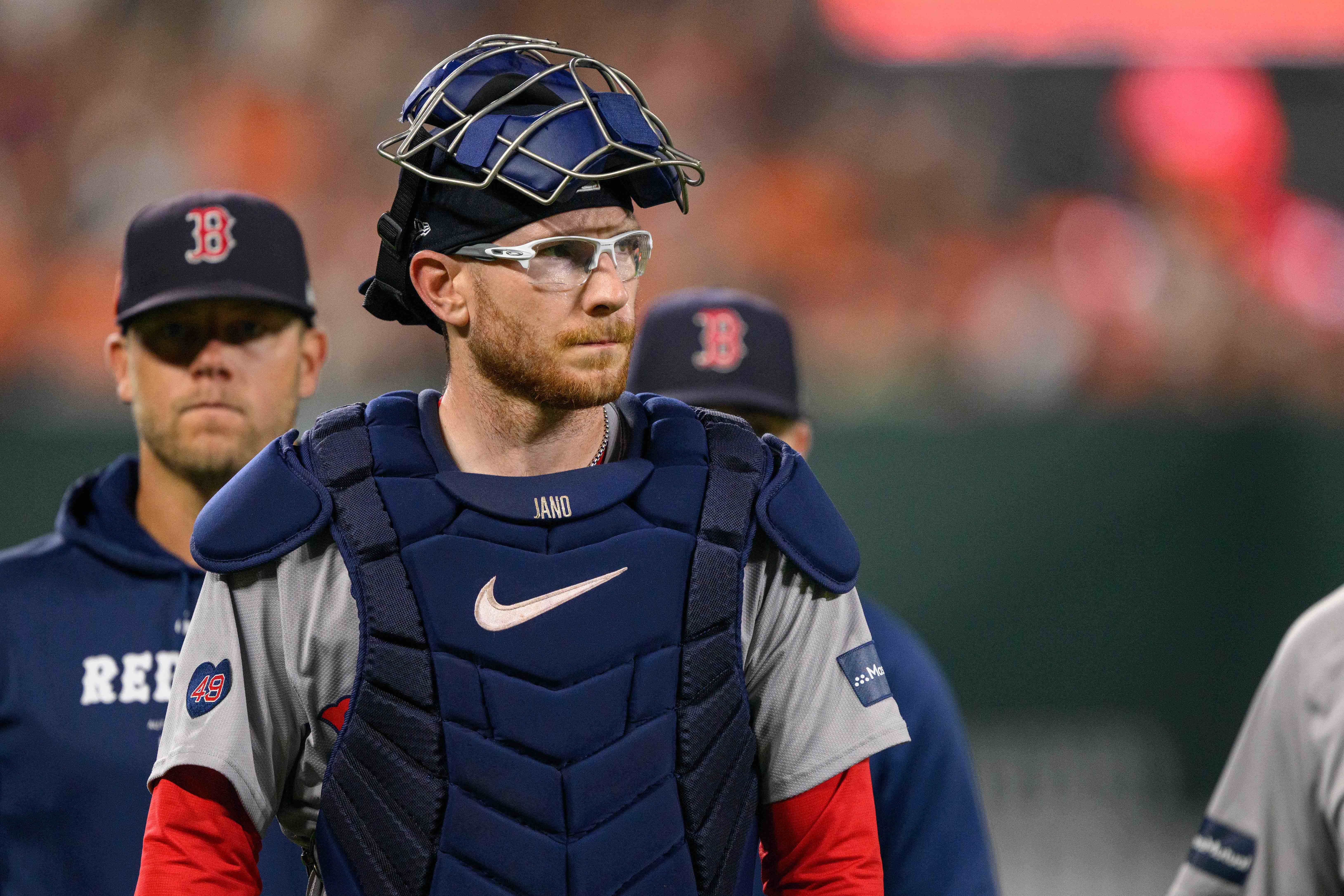 Negotiations between Realmuto and the Phillies have reportedly reached a stalemate, leaving both sides in a tense standstill. One insider described the situation as “two stubborn parties exercising their rights to be stubborn,” reflecting a negotiation deadlock that hinges on the player’s desire for market value and the organization’s caution over long-term financial commitments.
Realmuto’s potential departure highlights a broader tension within the Phillies’ roster strategy: how to maintain competitive consistency while managing payroll and long-term flexibility. The team has several high-priced veterans whose contracts span multiple seasons, leaving limited financial maneuverability for marquee additions.
 Harper, Turner, and Nola represent significant salary commitments, meaning any new acquisitions must be carefully considered to avoid overextension. As a result, offseason decisions are as much about roster architecture as talent acquisition, and each move carries implications for both immediate competitiveness and long-term sustainability.
The Phillies’ offseason approach suggests a dual strategy: retain core talent while making strategic, high-upside additions to address gaps. Pitching depth remains a priority, particularly in the starting rotation. Keller’s arrival complements existing arms while adding insurance against injuries or inconsistencies. Similarly, Garcia’s presence strengthens the lineup’s left-handed component, which had been an area of relative weakness. These targeted moves indicate a willingness to improve without undertaking wholesale change, a strategy that mirrors approaches taken by other successful playoff-caliber teams seeking balance between veteran stability and selective enhancement.
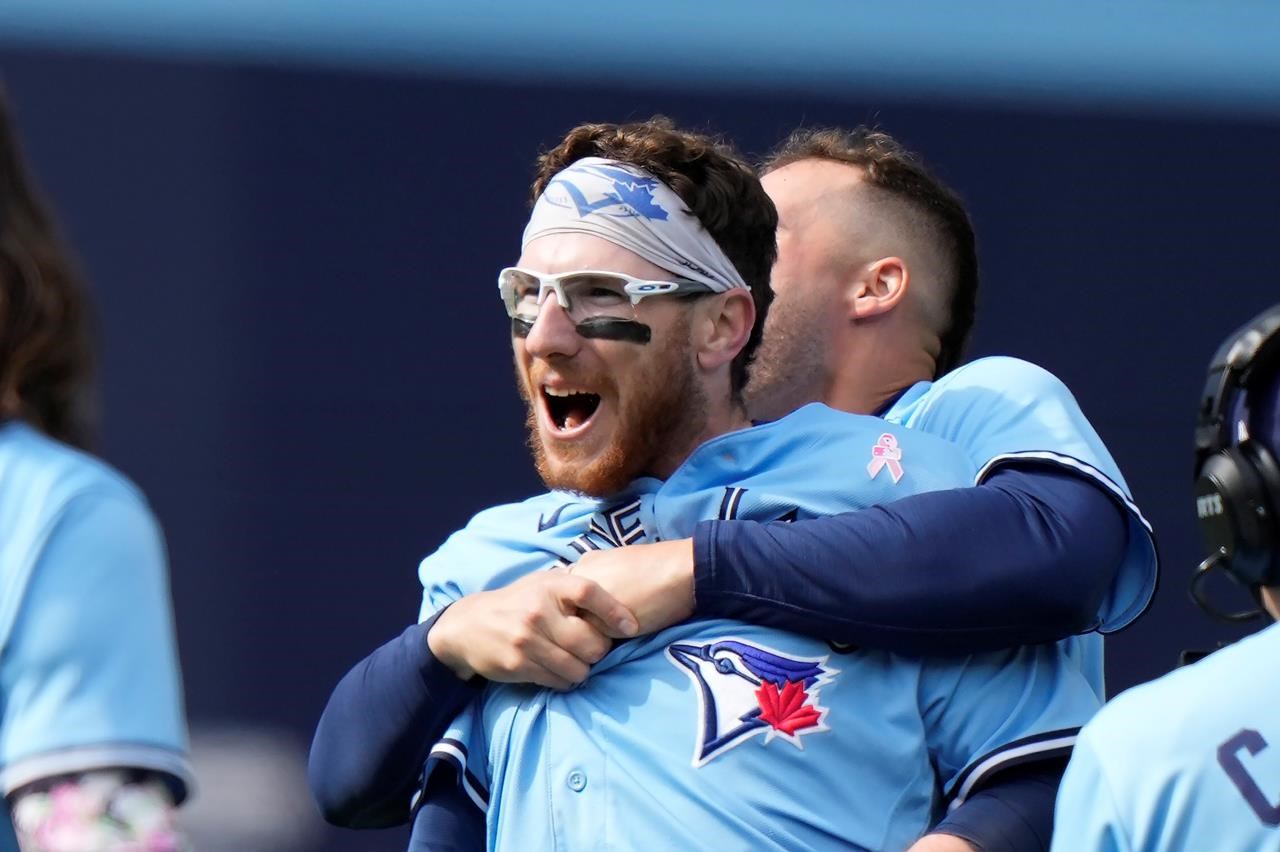
Defensively, Realmuto’s potential departure raises questions about catcher depth and pitch-framing quality. He has been a key factor in the Phillies’ success behind the plate, guiding young pitchers and anchoring a pitching staff that has alternated between brilliance and volatility. Should Realmuto leave, Philadelphia would need to identify either a veteran replacement or a developing catcher capable of stepping into a starting role while minimizing defensive drop-off. This decision could have ripple effects across the pitching staff and influence the team’s ability to compete in tight playoff races.
Meanwhile, the offensive core remains largely intact, with Harper and Turner expected to continue producing at elite levels. Harper’s power and on-base abilities remain central to the lineup, while Turner provides contact, speed, and situational hitting. The combination of their skill sets ensures that the Phillies retain a potent top-of-the-order presence, even as the team evaluates additional depth options. The integration of Garcia alongside existing veterans could provide the middle-order protection necessary to offset any lost production, particularly if Realmuto departs and a gap emerges behind the plate.

The Phillies’ approach also reflects a broader trend in Major League Baseball: balancing veteran experience with strategic flexibility. Teams increasingly seek to avoid long-term financial constraints that can hamper roster construction, instead opting for shorter-term commitments that provide performance certainty without limiting future moves. Philadelphia’s cautious but proactive stance in free agency demonstrates a commitment to both immediate competitiveness and long-term sustainability, even as they navigate complex negotiations with high-profile players.
Ultimately, the offseason decisions facing the Phillies underscore the challenges inherent in modern baseball roster management. Maintaining a core of elite talent, addressing gaps in pitching and offense, and negotiating high-stakes contracts require precision and foresight.
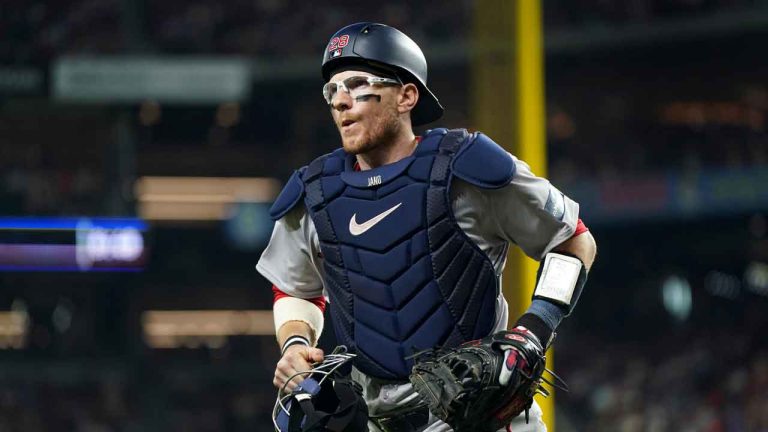
The outcome of the Realmuto situation, in particular, will signal the organization’s willingness to either commit to retaining established stars or pivot toward younger, cost-controlled talent. In either case, the decisions made in the coming weeks will shape the team’s trajectory and influence its prospects for postseason success.
As Philadelphia navigates this critical period, fans and analysts alike will be closely watching how the front office balances veteran leadership with necessary roster adjustments. The combination of targeted acquisitions, contract negotiations, and strategic planning suggests a team attempting to thread a fine needle: remaining competitive in the short term while retaining the flexibility to adapt in future seasons. The Phillies’ ability to execute this strategy successfully may well determine whether they can translate talent into a deep playoff run or continue to face the frustrations of early exits.
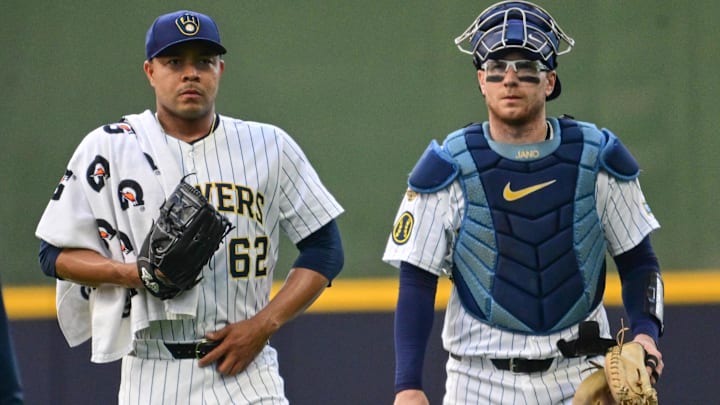
The coming months will reveal whether the Phillies can reconcile the desire to maintain their veteran core with the need for change. Success will depend on shrewd acquisitions, effective negotiations, and the capacity to integrate new pieces seamlessly into the roster. As the organization evaluates its options, the balance between maintaining proven stars and embracing strategic reinforcements will define the team’s identity heading into the next season. For now, the Phillies’ offseason is a study in patience, planning, and careful decision-making — a testament to the complex calculus of sustaining success in today’s Major League Baseball landscape.