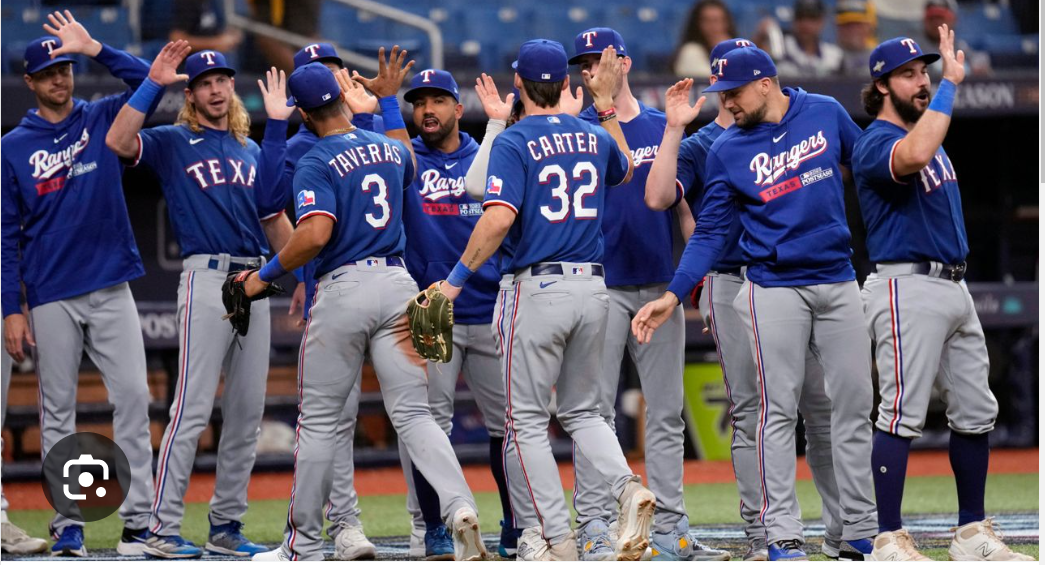

The Pittsburgh Pirates brought on an infielder that spent time with the Texas Rangers.
The Pittsburgh Pirates’ offseason has quietly but steadily reflected a front office focused less on short-term splash and more on building a sustainable roster with depth, flexibility, and upside aimed toward 2026. One of the latest examples of this approach came with the signing of former Texas Rangers infielder Davis Wendzel, a move first reported by Jon Heyman of the New York Post. While the signing itself may not generate headlines across Major League Baseball, it fits neatly into Pittsburgh’s broader strategy and offers insight into how the organization is shaping the next phase of its rebuild.
Wendzel agreed to a deal worth approximately $850,000, a figure slightly above the league minimum should he make the major league roster. The contract also includes an invitation to Spring Training, giving him an opportunity to compete directly with other infield options in camp. From a financial standpoint, the move is low risk for the Pirates, but from a roster-construction perspective, it adds another layer of versatility to an organization that values positional flexibility and internal competition.

At 27 years old, Wendzel is no longer viewed as a traditional “prospect,” but he still carries the pedigree of a former first-round pick. The Rangers selected him in the first round of the 2019 MLB Draft, and for several years he was considered a solid organizational piece with the potential to develop into a useful major league infielder. His minor league track record showed flashes of offensive competence, particularly in his ability to draw walks and provide occasional pop, while also moving around the infield defensively.
That promise, however, has yet to translate at the major league level. Wendzel’s MLB experience to date is limited to just 27 games with Texas during the 2024 season, spread across two separate stints. From April 9 to May 12 and again from June 8 to June 30, he struggled to find consistency against big-league pitching. His slash line of .128/.163/.234 resulted in an OPS of .397, with only six hits in 47 at-bats. Those hits included two doubles and one home run, and he drove in two runs while striking out 12 times against just one walk.

Those numbers clearly highlight the gap between his minor league success and his major league struggles, but they also explain why Pittsburgh views him as a depth addition rather than a guaranteed contributor. The Pirates are not counting on Wendzel to be an everyday player in 2025 or even 2026. Instead, they are bringing him into the organization as a potential bounce-back candidate who can provide insurance across multiple infield positions if things break right.
Defensively, Wendzel’s versatility is one of his biggest selling points. He has experience at second base, third base, and shortstop, and that flexibility is particularly valuable for a Pirates team that has emphasized adaptability throughout its rebuild. Injuries, performance fluctuations, and roster churn often force teams to rely on players who can fill multiple roles, and Wendzel fits that mold. Even if he begins the season in Triple-A, his presence gives the Pirates an option they can turn to without having to make an external move.

From a competitive standpoint, Wendzel faces an uphill battle. The Pirates already have several young infielders either established at the major league level or pushing their way up through the system. For Wendzel to carve out a role, he will need to show meaningful improvement at the plate, particularly in his ability to handle velocity and avoid prolonged slumps. Spring Training will be critical, as it represents his first chance to make an impression on a new coaching staff and front office.
The signing also reflects a broader philosophical shift within the Pirates organization. Rather than overcommitting financially to marginal upgrades, Pittsburgh has increasingly focused on accumulating players who can compete internally and potentially outperform their contracts. These types of moves may not excite fans on their own, but they can pay dividends over time by creating depth and forcing competition throughout the roster. In a long season, those margins matter.
Looking ahead to 2026, Wendzel is best viewed as a potential contributor rather than a cornerstone. If he can rediscover some of the offensive traits that made him a first-round pick and combine that with reliable defense, he could become a useful bench piece or spot starter. If not, the Pirates have little to lose, as the financial commitment is minimal and the roster spot is not guaranteed.
Ultimately, the Pirates’ decision to sign Davis Wendzel is emblematic of where the franchise currently stands. They are not chasing headlines or quick fixes. Instead, they are methodically building an ecosystem of players who can push each other, fill gaps as needed, and give the organization multiple paths forward. Wendzel may never become a key figure in Pittsburgh’s future, but as part of a larger puzzle aimed at making the Pirates competitive again by 2026, his signing makes sense within the team’s long-term vision.