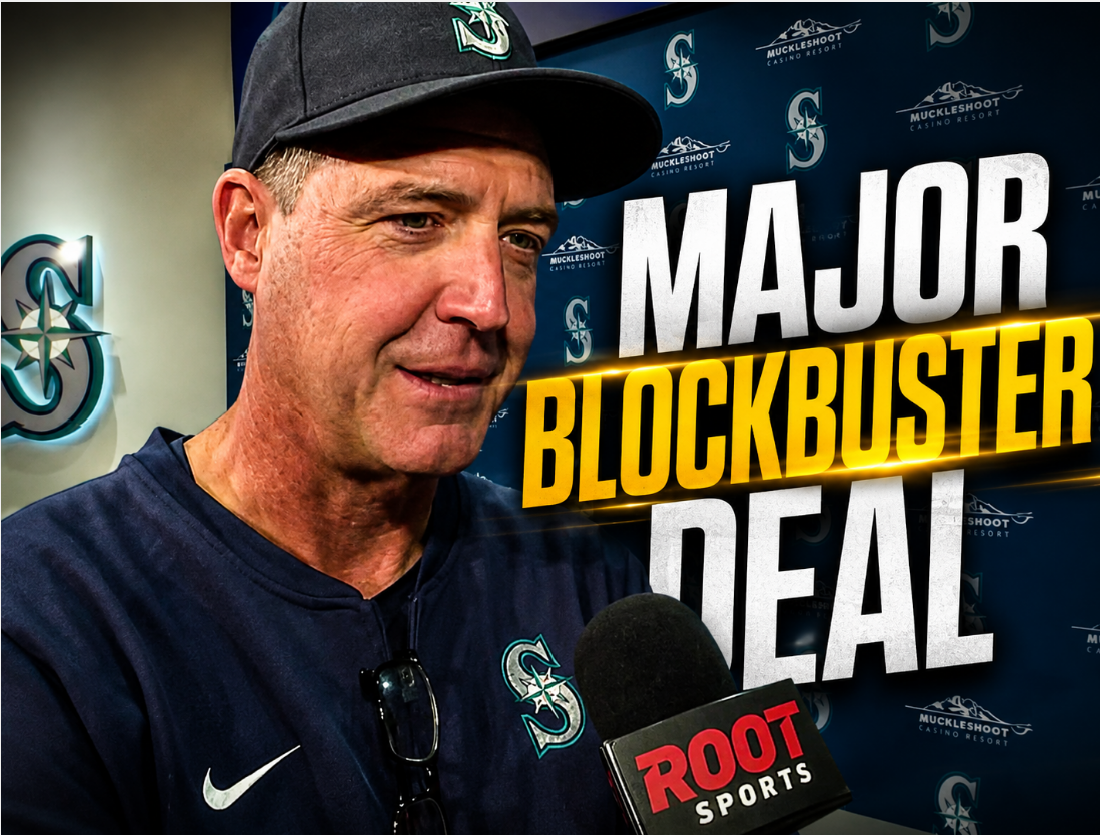

The Seattle Mariners entered the offseason with a sense of momentum, buoyed by a trade deadline that reshaped their lineup and injected new life into a club looking to solidify its competitive identity. Two key additions stood out during that period: Josh Naylor and Eugenio Suárez. Both arrived with reputations as powerful bats capable of changing games, but their futures with the Mariners diverged almost immediately once the season concluded. Naylor, who had been acquired from the Arizona Diamondbacks, became a cornerstone of Seattle’s plans in a way Suárez has not yet managed to achieve. By signing a five-year contract, Naylor cemented his role as a long-term fixture for the club, while Suárez slipped back into free agency, leaving fans and analysts to speculate about what might come next.
Naylor’s signing represented a clear signal from the Mariners’ front office. In a league where power and consistency are at a premium, locking in a hitter who had proven his ability to succeed in multiple environments made perfect sense.
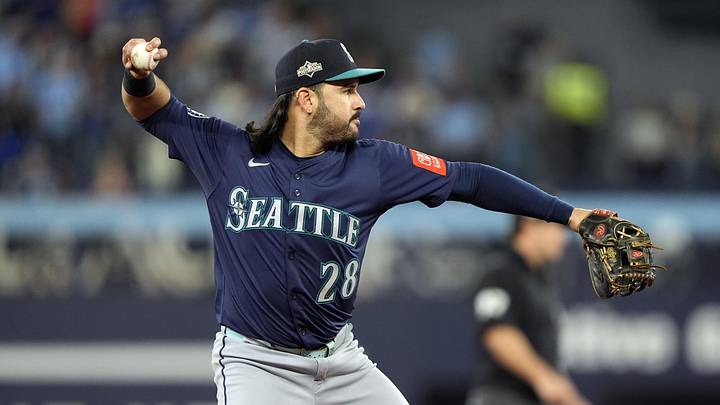
For the Mariners, stability has always been a challenge. The franchise has often cycled through rebuilding phases, periods of hope, and stretches of disappointment. Securing a player like Naylor provided something different: a foundation. Such contracts are not merely about raw production; they are about culture, continuity, and the message sent to the clubhouse. When a team invests in a player, it communicates trust and confidence, and players respond to that security. For Naylor, the extension affirmed his value, and for Seattle, it represented a strategic commitment to building around players who had already proven they could thrive in the organization’s environment.
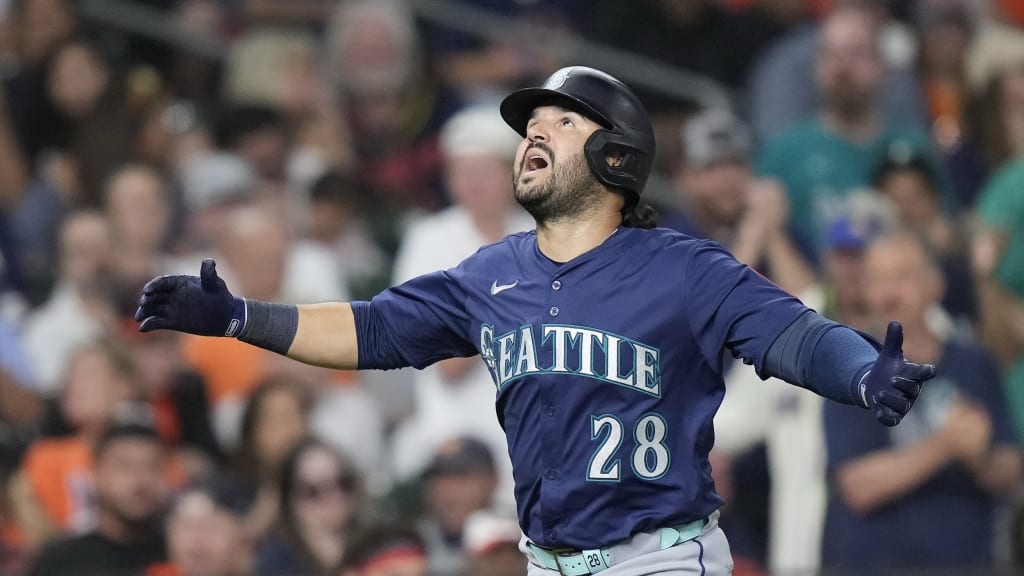
Eugenio Suárez, however, sits in a very different position. After a productive stretch with Seattle, he entered the offseason as a free agent with a strong statistical résumé and a reputation for power that remains attractive to clubs seeking offensive upgrades. Suárez delivered big moments during his time with the Mariners, and his ability to impact games made him a valuable piece in the lineup. But unlike Naylor, Suárez has not yet been welcomed back with a long-term contract or even a short-term extension. Instead, his future remains open, hinging on market dynamics rather than organizational certainty.
Seattle has not closed the door on a reunion. Reports indicate that the Mariners have kept communication lines open, suggesting an interest in bringing him back if the financial and roster considerations align. This approach reflects a typical front office strategy: evaluate the market, assess internal options, and determine where a player fits within the broader context of team needs and budget limitations. Suárez is not without competition; several teams across the league have reason to consider adding a veteran hitter with his track record. That competition increases his market value and complicates Seattle’s calculations.
For the Mariners, the decision is not merely about whether Suárez performed well. It’s a question of fit, cost, and timing. Suárez is older than Naylor, and while his bat remains potent, teams must weigh the risk of decline against the upside he still offers. Seattle already has commitments at several infield positions, and adding another high-priced veteran might limit flexibility. In an era where payroll efficiency is increasingly important, every contract must justify itself not just through performance but through alignment with long-term planning.
Another factor is the Mariners’ internal options. Seattle has young players developing in the minors, some of whom project to occupy significant roles in the near future. Bringing back Suárez could block a prospect or complicate positional alignment. Conversely, losing Suárez could create a void that must be filled either through free agency or trade. The Mariners are therefore balancing multiple paths: retain a familiar and productive hitter, or pursue alternatives that might fit better with their roster architecture.
Fans have mixed feelings about the situation. Many appreciated Suárez’s contributions and saw him as a reliable power source during a crucial stretch of the season. His ability to produce in high-pressure moments endeared him to supporters who enjoy seeing veterans perform at a high level. Others believe Seattle should move in a different direction, either promoting youth or pursuing a different type of player who fits more cleanly into the club’s long-term blueprint. Such debates underscore the tension between immediate success and sustainable growth—a tension every competitive team must navigate.
Meanwhile, Suárez’s market continues to develop. Teams looking for offensive upgrades at third base or designated hitter positions monitor his availability closely. Free agency has become a landscape where experienced hitters can still command attention if they offer a blend of power and consistency, even if their defensive abilities have waned. Suárez fits that profile. He remains capable of changing games with a single swing, and that kind of threat is always in demand. For Seattle, this means that waiting too long could risk losing him to a rival willing to move faster or spend more.
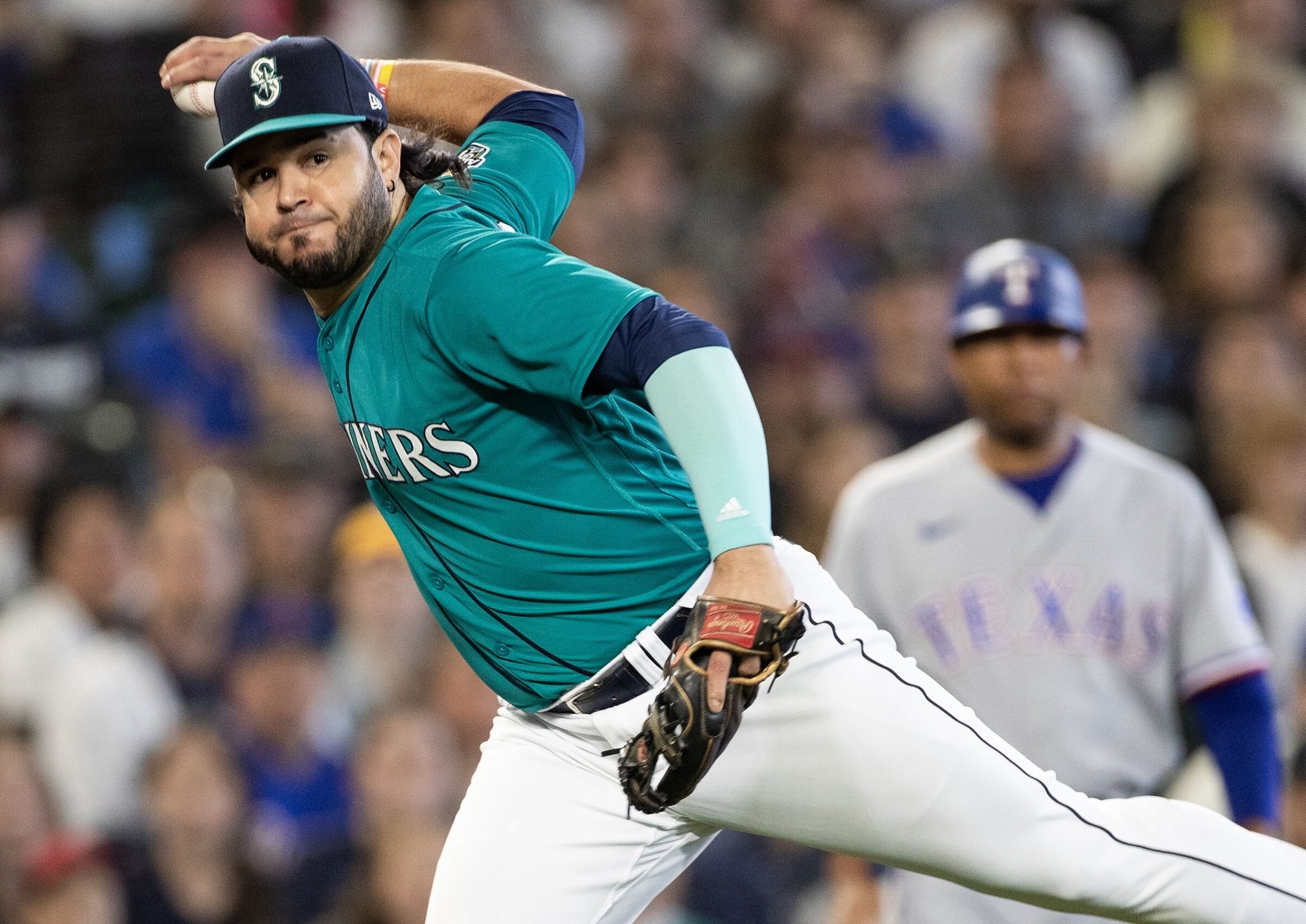
There is also the possibility that Seattle re-signs Suárez on a deal more modest than his peak contract. Such an arrangement could benefit both sides: the Mariners retain a familiar player without a long-term commitment, and Suárez remains with a team where he already demonstrated comfort and effectiveness. But such outcomes depend heavily on market forces—how many bidders emerge, what the contract structures look like, and how Seattle positions itself relative to other teams.
Ultimately, the Mariners’ offseason story is defined by contrast. Naylor represents certainty, commitment, and a long-term vision. Suárez represents possibility, uncertainty, and the fluid nature of a market where performance, age, and demand intersect. How Seattle resolves these two paths will reveal much about the club’s priorities and its understanding of the competitive landscape. Whether Suárez returns or moves on, the Mariners will continue shaping a roster designed to compete in a league where every advantage matters. And in baseball, where momentum can shift quickly, decisions made in the offseason often determine outcomes long before Opening Day arrives.