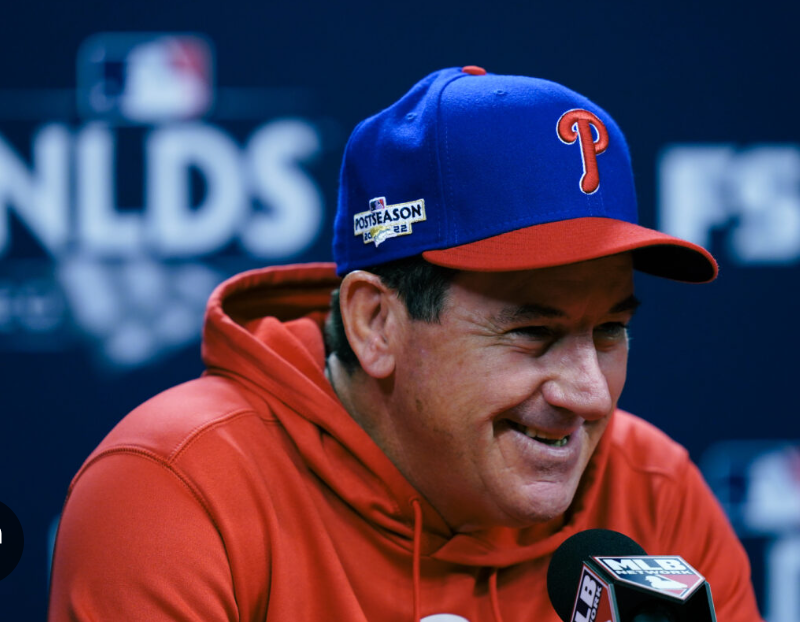
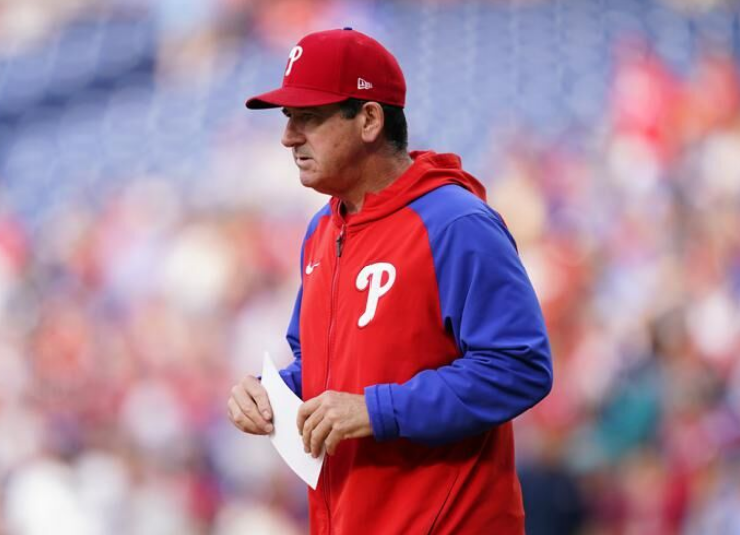
The Philadelphia Phillies enter this offseason facing a series of pivotal decisions that could shape the franchise for years to come. After another competitive season and another push toward postseason contention, the front office now must determine how to allocate its resources while several of the club’s most recognizable faces test the free-agent market. The outcome of these decisions will directly influence the team’s identity moving forward, especially as the National League grows more competitive and other contenders continue to strengthen their rosters.
One of the biggest storylines revolves around designated hitter Kyle Schwarber, who has become one of the most productive and beloved hitters in Philadelphia since arriving four years ago. Schwarber is coming off the type of season that vaulted him into the MVP conversation, showcasing the power, plate discipline, and clubhouse presence that have defined his tenure with the team. Because of that success, he enters free agency with tremendous leverage.
Any team that wants him including the Phillies will need to commit to a substantial long-term deal. Given his offensive output and his track record of performing in high-pressure moments, Schwarber represents a significant investment, one that carries both reward and risk. While his bat has never been in question, the Phillies must weigh how many years and how much payroll flexibility they are willing to commit to a designated hitter entering his thirties.
At the same time, the organization is confronting another major decision with starting catcher J.T. Realmuto. For seven seasons, Realmuto has been one of the stabilizing forces behind the plate, widely regarded as one of the best all-around catchers in Major League Baseball. His combination of defensive excellence, offensive production, athleticism, and leadership made him a cornerstone of Philadelphia’s roster. Now, as he enters free agency, he stands as the premiere catching option on the market.
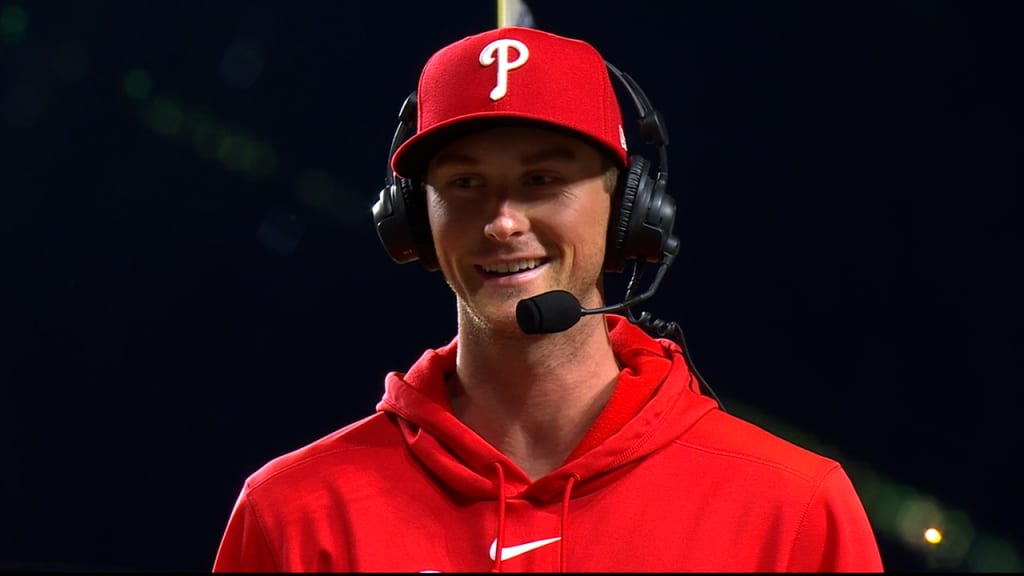
Left-handed pitcher Ranger Suárez adds yet another layer to the Phillies’ offseason puzzle. After eight seasons in Philadelphia, Suárez has quietly become one of the team’s most reliable and versatile arms. He has thrived as a starter but has also proven capable of excelling in high-leverage relief roles when needed, giving the organization extraordinary flexibility. With so many contenders searching for rotation depth, Suárez is expected to draw significant interest across the league.

His ability to induce weak contact, pitch efficiently, and remain poised in critical postseason moments makes him a valuable asset for any club thinking about October. For the Phillies, losing Suárez would mean parting with a pitcher who has consistently outperformed expectations and delivered in some of the organization’s biggest playoff games. Retaining him, however, will require a multi-year investment that may limit the team’s ability to keep Schwarber, Realmuto, or both.
Because all three players Schwarber, Realmuto, and Suárez are likely to command sizable contracts, it is increasingly improbable that Philadelphia will be able to bring back the entire group. The front office, led by a group that has balanced aggressive spending with strategic roster building, will be forced to make tough choices. The team’s financial flexibility is not unlimited, and the organization must evaluate not just the players’ past contributions but also their future projections. This is the type of offseason where each decision carries ripple effects, influencing lineup structure, pitching depth, clubhouse leadership, and long-term payroll planning.
Amid all the uncertainty, the Phillies have already made one move that reflects both creativity and strategic thinking. That move involves right-handed pitcher Michael Mercado, who found himself temporarily hitting free agency despite not having spent enough service time to qualify for arbitration. The Phillies non-tendered Mercado last month, a maneuver that caught the attention of fans but had a clear purpose behind it. The non-tender deadline is unique on the MLB calendar: it is the only day of the year when a team can release a player directly into free agency without first placing him on waivers. This allowed Mercado to explore potential interest from the other twenty-nine clubs while also giving Philadelphia the ability to re-sign him quickly to a minor league or non-roster deal.
By choosing this route, the Phillies effectively bought themselves roster flexibility while signaling that they still believe in Mercado’s potential. His major league statistics from last season — a 15.00 ERA in just three innings were undeniably rough, but the organization looks beyond such a small sample. Mercado’s scouting profile has long suggested that he possesses untapped upside, with a fastball and secondary pitches that could become more effective with refinement. His brief struggles at the big-league level do not reflect the entirety of his developmental trajectory. By bringing him back in a non-roster capacity, the Phillies maintain the ability to continue shaping his growth without sacrificing valuable roster spots or committing guaranteed money.

Mercado’s journey with the Phillies began in 2023, when the team acquired him in a trade with the Tampa Bay Rays. Since then, he has managed to earn several opportunities at the major league level, functioning at times as a depth arm and at others as a potential breakout candidate. While he has yet to establish himself fully, the organization’s decision to retain him even after sending him briefly into free agency demonstrates that they still view him as a project worth investing in. His blend of velocity, movement, and mound presence suggests that he could still evolve into a more reliable contributor with additional coaching and experience.
This type of move may seem minor when compared to the headline names hitting free agency, but such decisions often provide essential depth that supports a team through the long grind of a major league season. And in an offseason where every roster spot matters, creativity can be as important as raw spending power.
As the Phillies navigate the coming months, their choices will shape not only the 2026 roster but also the organization’s direction for several years. Whether they prioritize retaining star talent, reinforcing their pitching depth, or balancing financial commitments across multiple positions, the outcome will be instrumental in determining how competitive they remain in an increasingly challenging National League landscape. What is clear is that the offseason is just beginning, and the Phillies’ decisions — both big and small — will be watched closely by fans and rivals alike.