
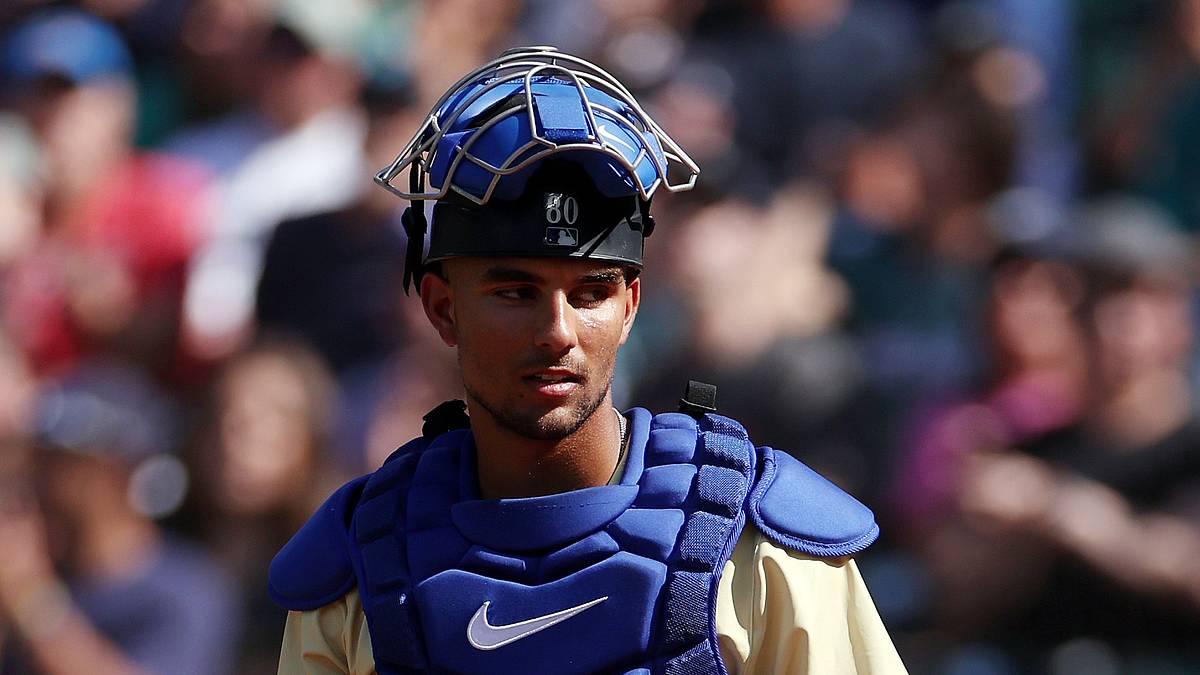
In a season filled with storylines, breakout stars, and the Mariners’ renewed push toward contention, one development may have slipped beneath the surface: the long-anticipated debut of top prospect Harry Ford. Once the organization’s No. 1 prospect in 2023, Ford finally reached the majors in 2025—if only for a fleeting stay.
Ford logged just eight plate appearances and 14 innings behind the plate, the very definition of a September “cup of coffee.” But while his debut was brief, the questions it raises about his long-term role in Seattle are anything but.
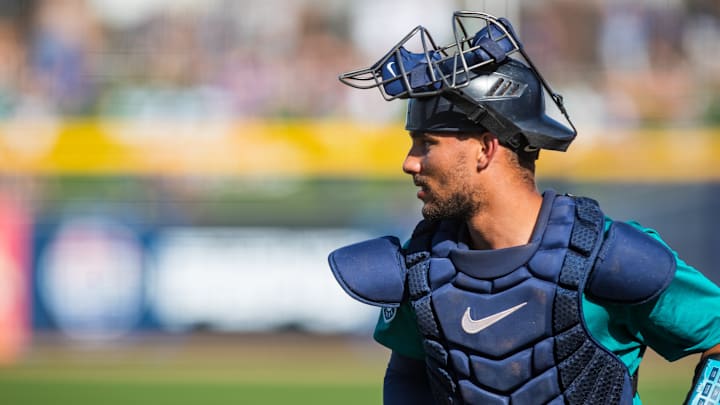
The biggest obstacle to Ford’s future at catcher is the man currently holding the job: Cal Raleigh. Fresh off another standout season and under team control through 2031, Raleigh looks firmly cemented as the franchise’s catcher. Dislodging him would require either a miracle or a disaster—and the Mariners don’t seem eager for either. That creates an immediate puzzle: where does Ford fit?
Complicating matters further is new research tied to MLB’s incoming Automated Ball-Strike System. While pitch framing will effectively vanish as a catcher skill, the ability to correctly challenge ball-strike calls may prove more important than ever. Unfortunately for Ford, the numbers aren’t kind.
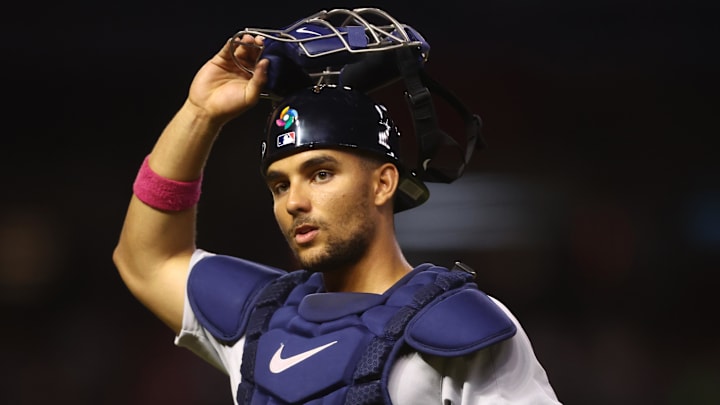
Senior MLB database architect Tom Tango highlighted Ford as the worst defensive challenger in the minor leagues in 2025. Ford issued 93 challenges, winning 47—yet based on expected outcomes, he should have gone 56–37. The gap suggests poor judgment or delayed reactions in identifying missed calls, an area that could become increasingly costly as ABS takes hold.
Some analysts initially believed ABS would flatten the catcher-defense landscape, but FanGraphs’ Davy Andrews argues the opposite: elite defensive catchers may separate even further from the pack. If so, Ford’s defensive shortcomings in this emerging metric could limit his viability at the position.
The Mariners, however, have options. Ford is widely regarded as an excellent athlete—quick, strong, and agile enough to take on multiple roles. Seattle has already given him outfield reps in the minors, and there is precedent for catchers transitioning successfully. Daulton Varsho stands as the most recent example: a former catching prospect who blossomed into one of MLB’s premier defensive outfielders. Ford’s athletic profile evokes similar possibilities.
Ford’s future may hinge on how Seattle values him. If the Mariners see him as too talented to move, an outfield transition becomes increasingly likely. If the organization believes he doesn’t fit their long-term roster build, he instantly becomes one of the most intriguing trade chips in baseball. And if another club acquires him, they might face the same positional questions Seattle does now.
At the moment, the only certainty is uncertainty. Ford remains a compelling prospect with a high ceiling, but his ultimate role—catcher, outfielder, or centerpiece of a blockbuster trade—remains unresolved. For now, the Mariners can only assess the data, evaluate his growth, and decide where Harry Ford fits in a future that’s arriving faster than anyone expected.