
Seattle Mariners right-hander Bryan Woo is receiving a major financial boost this offseason, with Major League Baseball awarding him US$1,540,676 through its revamped pre-arbitration bonus system. The payment, which lands just above the $1.5 million mark, represents a substantial addition to Woo’s standard salary and further signals how MLB’s evolving economic structure is reshaping compensation for young players who produce at high levels early in their careers. Under the league’s collective bargaining agreement established in 2022, MLB and the MLB Players Association introduced a new incentive-driven format aimed at reducing the long-standing pay gap between established veterans and early-career talents. Woo, who remains in the pre-arbitration stage of his career and therefore earns close to the league minimum, became one of the system’s biggest beneficiaries this year.

The pre-arbitration bonus pool was created specifically to address concerns that rising stars often spend their first several seasons performing well above the value of their salaries. Previously, teams possessed near-complete cost control over players with fewer than three years of major league service time, regardless of production. Now MLB sets aside a $50 million annual pool, funded jointly by the league’s 30 clubs, and distributes it to players who meet specific award or performance benchmarks. Woo’s payout reflects how highly his 2025 contributions ranked relative to the rest of MLB’s emerging talent group.

Woo’s bonus was earned through the statistical component of the system rather than any end-of-season award voting. The bonus pool is allocated in two portions: a segment tied to major awards such as MVP, Cy Young, or Rookie of the Year finishes, and a second segment based on an agreed-upon WAR metric designed to capture a player’s overall value. While Woo did not receive award votes that triggered an automatic cash reward, his performance throughout the season placed him among the most productive pre-arbitration pitchers in the league. As a result, his calculated value fell near the top of the pool’s statistical rankings, leading to a seven-figure payout that ranked behind only a handful of standout players.
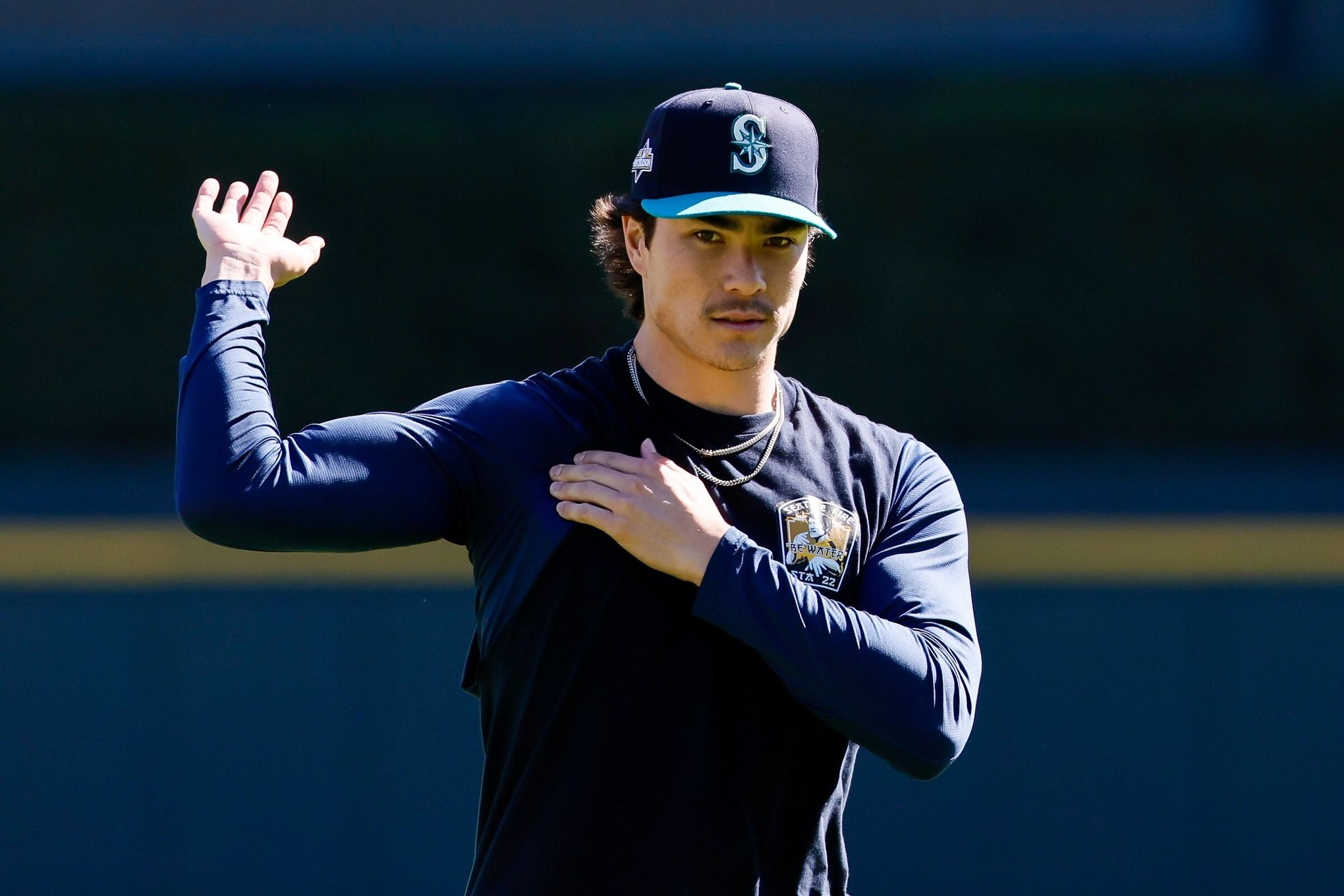
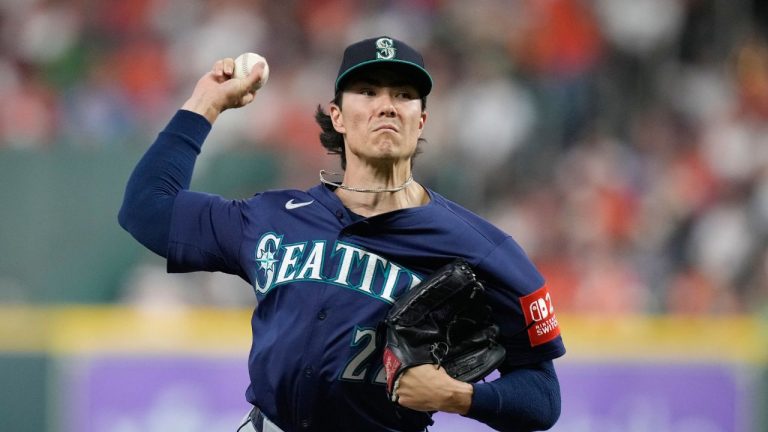
For Seattle, Woo’s rise has been one of the more significant developments in the organization’s young pitching core. After debuting with promise, he took another major step forward, providing consistent innings and stabilizing the rotation during an important stretch of the season. His poise, durability, and command elevated him into the conversation of the league’s more impressive young arms. Although Seattle’s rotation already featured several talented pitchers, Woo’s progress created additional depth and reliability—qualities that not only helped the Mariners remain competitive, but also raised Woo’s national profile.
Woo’s newfound financial bump highlights a broader structural change taking place across baseball. For decades, teams benefited from an economic model in which early-career stars were among the most underpaid players relative to performance. MLB’s current bonus-pool approach, introduced as part of the 2022–2026 collective bargaining agreement, attempts to narrow that gap by funneling money directly to players whose performance demonstrably exceeds their salary level. The bonus is funded by all teams equally, meaning Seattle does not incur additional salary hits or competitive-balance-tax penalties because of Woo’s award. Instead, the league redistributes a portion of shared revenue to reward high-achieving young talent.
The system also serves as a bridge between the earliest contract years and eventual arbitration, which historically marks the first major opportunity for players to secure a salary that better reflects their contributions. By earning a substantial bonus while still under club-controlled salary structures, Woo moves into the next stages of his career with improved financial security. It also places him in a more advantageous position heading into future contract negotiations, as large pre-arbitration bonuses often coincide with elevated performance metrics that carry weight in arbitration or long-term extension talks.
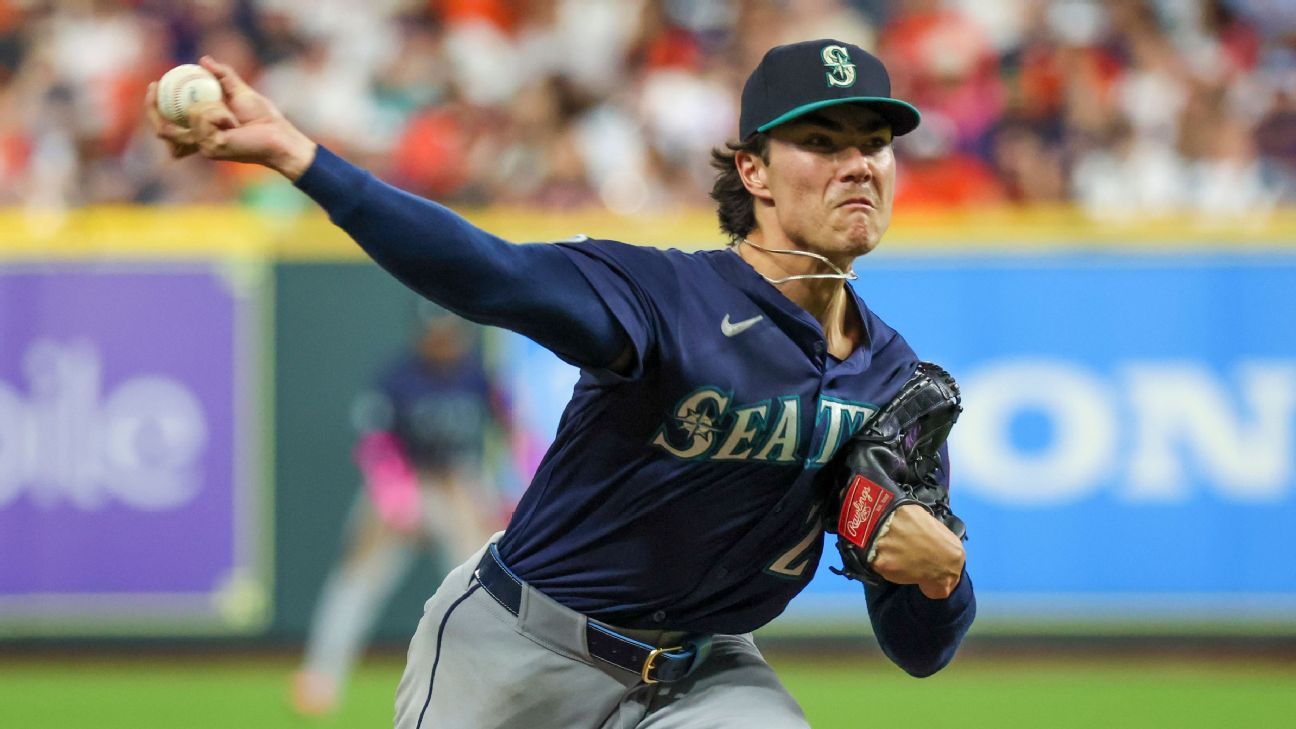
Across MLB, Woo’s payout was one of the most notable among pre-arbitration players this year, with only a few standout performers receiving larger sums. His position near the top of the bonus-recipient list reinforces how impactful his season was, not only from Seattle’s perspective but among the league’s overall young talent pool. Several other players earned seven-figure bonuses as well, reflecting the league-wide trend of strong early-career production. However, Woo’s ranking demonstrates just how valuable his contributions were relative to peers across all 30 teams.

From a competitive standpoint, the Mariners benefit from the presence of a cost-controlled starting pitcher producing at such a high level. The club faces no added payroll burden from Woo’s bonus, yet it gains the performance upgrade of a reliable, promising starter who is still in the early stages of player development. For playoff-contending teams, especially those built around strong pitching, the combination of youth, affordability, and high production is one of the most valuable assets in the sport.
For Woo personally, the recognition carries meaning beyond the financial reward. It validates his progression and places him firmly among MLB’s rising arms to watch. A season strong enough to generate over a million dollars in bonus compensation signals that Woo has emerged not merely as a contributor, but as a high-impact pitcher whose performance metrics draw league-wide attention. With continued development, he could soon join the ranks of players whose arbitration salaries escalate significantly, or who secure multi-year deals earlier than anticipated.
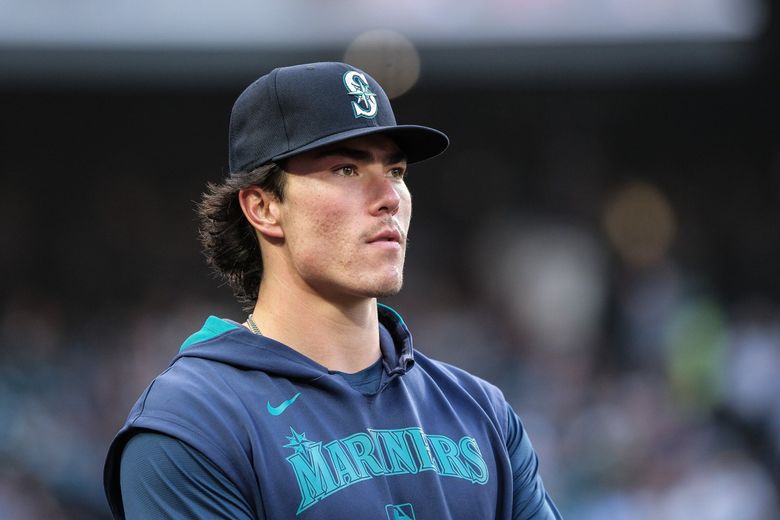
More broadly, the payout demonstrates the tangible impact of the new bonus system. MLB and the players’ union introduced the pool to modernize compensation and respond to the evolving realities of player development, in which many stars now arrive in the majors more prepared, more polished, and more capable of producing immediate results. By committing large bonus sums to young players, the league acknowledges the growing importance of pre-arbitration talent and ensures that standout producers receive at least some compensation proportionate to their value.

Woo’s $1.54 million award illustrates exactly what the system was designed to accomplish. It provides young, high-performing players greater financial reward at a pivotal stage of their careers, motivates teams to rely on emerging talent without worrying about immediate financial spikes, and signals a gradual shift toward economic fairness within MLB’s pay structure. While the traditional arbitration and free-agency system still dictates long-term player earnings, the pre-arbitration bonus pool ensures that early-career excellence no longer goes overlooked.
As Woo heads into the next season, his bonus serves as both an acknowledgment of what he achieved and a hint at what he might become. If his upward trajectory continues, the Mariners could have one of the more valuable young starters in the league, and Woo himself could soon stand on even firmer financial footing as contract milestones approach. For now, his seven-figure reward stands as one of the most notable outcomes of MLB’s updated economic framework—and a clear sign that his performance is drawing the attention it deserves.