The Atlanta Braves have added some outfield depth to their organization by signing free agent Brewer Hicklen on a minor league deal. Hicklen, who is 29 years old, has appeared in parts of three Major League seasons — with the Royals, Brewers, and Tigers — but is still largely known for his work in Triple-A. In his long minor league career, Hicklen has proven to be a versatile and productive player, with a Triple-A slash line of .240/.346/.464, 76 home runs, and 125 stolen bases over 410 games.
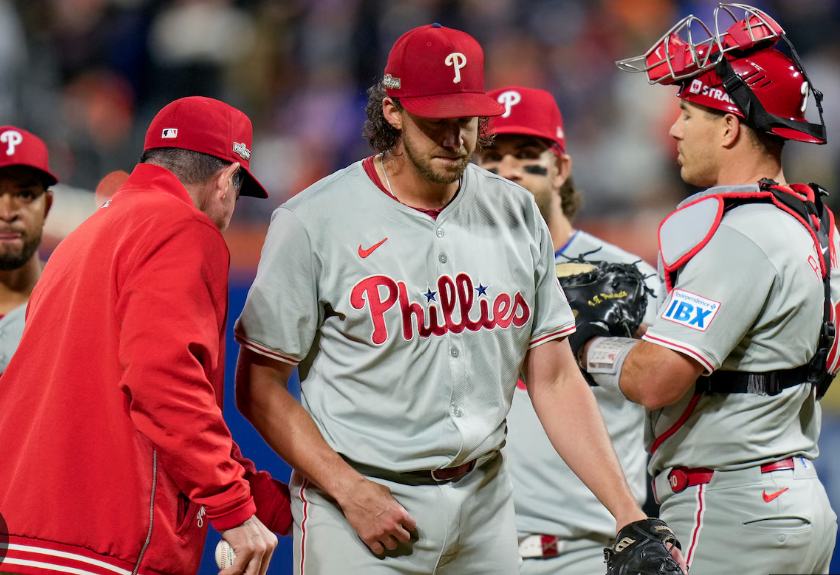
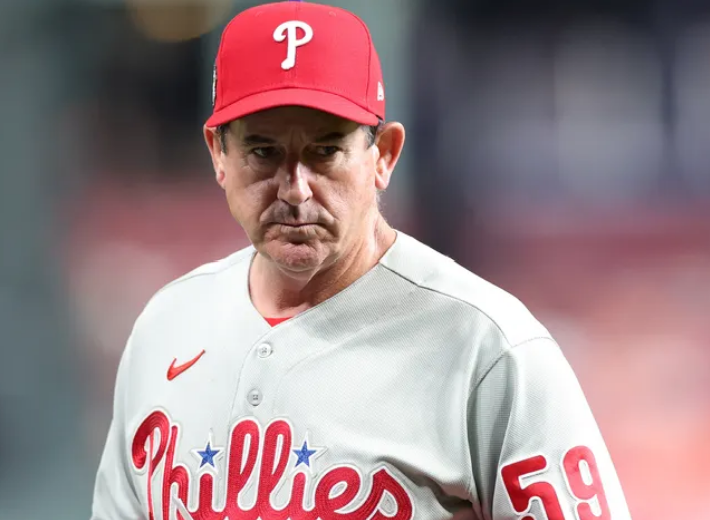
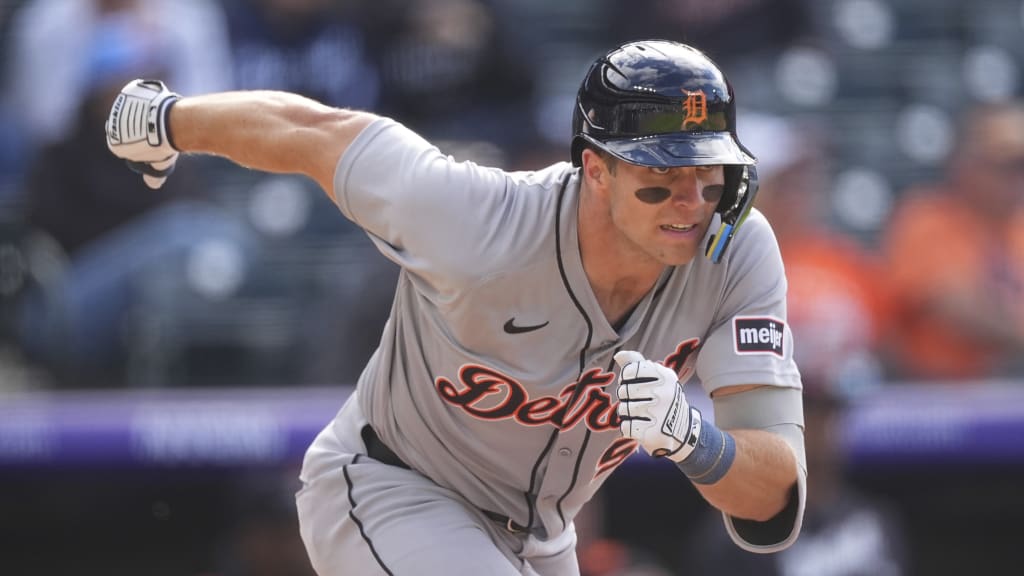
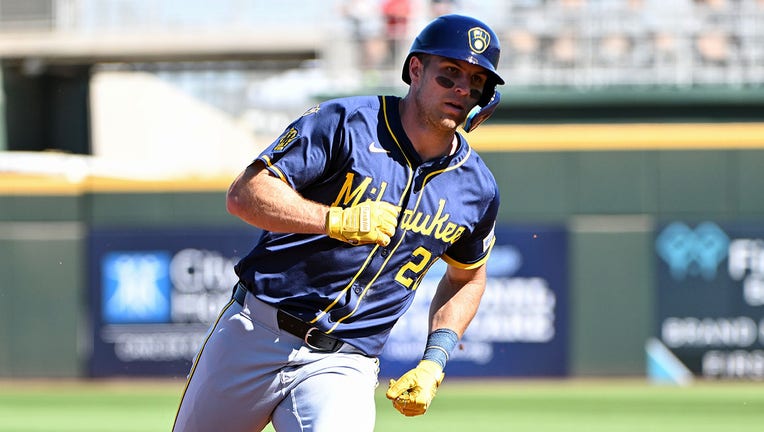
In 2025, Hicklen’s journey bounced around. He was traded from the Milwaukee Brewers to the Detroit Tigers for cash considerations. The Tigers then gave him a short stint in the majors — in one game, he went 2-for-3 with a walk and a stolen base. Later that season, he was traded to the Philadelphia Phillies, also for cash. At Triple-A Lehigh Valley with the Phillies’ organization, he hit eight home runs in 61 games, while also swiping seven bases.
Now, with the Braves, Hicklen could provide valuable depth in their outfield. Although the deal is a minor-league contract, it is expected to come with an invitation to Atlanta’s spring training camp. The Braves’ outfield depth chart shows room for contributions from someone like him — especially deeper in the organization, where experience and speed are important.
One of the strengths that Hicklen brings is his baserunning. Over his minor league career, he’s demonstrated above-average speed, which could make him a candidate for pinch-running duties or late-game substitutions. In addition to his speed, he has some power and can cover all three outfield spots, giving the Braves flexibility on defense.

From a statistical standpoint, Hicklen’s Triple-A performance paints the picture of a solid organizational piece. His 76 home runs over 410 games show some pop, and 125 steals signal that he’s not afraid to run. While his time in the majors has been limited, that minor league track record is likely what caught the Braves’ eye.
This signing comes at a time when the Braves may be looking to solidify not just their big-league squad but also the depth in their upper minor leagues. Given that Hicklen has experience both in the majors and in Triple-A, he is a logical candidate to help bridge gaps as the organization navigates injuries or roster churn.

From Hicklen’s perspective, the deal could represent an important opportunity. After moving through several teams — including being designated for assignment, traded, and outrighted — this could be a chance for him to re-establish himself in an organization that values both depth and versatility. If he performs well in spring training or in the minors, he could earn a look on the major league roster or become a reliable call-up option.
For the Braves, it’s a relatively low-risk move with the potential for high reward. Hicklen is not a star, but his skill set — speed, some power, and outfield flexibility — is exactly what many teams need in their depth chart. He’s not signed to a big-money contract, and because it’s a minor league deal, the financial outlay and commitment are modest. That gives Atlanta breathing room: if he succeeds, great. If not, the downside is limited.
This also fits a broader pattern for the Braves, who have often targeted experienced “quad-A” types — players who have thrived in Triple-A and can step in when needed. These are the kinds of players who can provide steady help, particularly in long seasons where injuries and roster needs inevitably arise.
Hicklen’s resilience and persistence in professional baseball are also worth noting. Players with his kind of minor league profile often face a lot of uncertainty, bouncing between teams, changing roles, and shifting between the majors and minors. But by continually producing — whether with his bat, his feet, or his versatility — he’s earned chance after chance. This deal may be another one of those chances, but it’s clear the Braves believe he has something to offer.

In the short term, his role in Atlanta’s system may be minor league-focused, but the door to the majors is not closed. If spring training goes well, or if injuries strike in the Braves’ outfield, he could be the kind of depth piece that makes a difference. Even if he remains in the high minors, his experience could also be valuable to younger players coming up through the Braves’ system, lending a veteran presence in Triple-A.
Importantly, this signing doesn’t scream “splash.” It’s not a blockbuster acquisition. Rather, it’s a calculated, strategic move — the kind of depth addition that makes sense for a franchise managing both its major league roster and its minor league contingents. For fans, it may not generate headlines, but for the front office, it’s a smart piece of roster architecture.

Looking ahead, if Hicklen performs well, he could earn a call-up next season when rosters expand or when the Braves need a fill-in. But even if he never returns to “main club” action, his presence in Atlanta’s system gives them a player who has been around, understands the grind, and has shown he can deliver in Triple-A.
In summary, the Braves’ signing of Brewer Hicklen is a calculated move designed to enhance their outfield depth and add a versatile, experienced minor league bat. While his MLB experience is limited, his Triple-A numbers and speed make him a worthwhile organizational investment. For Hicklen, it’s another chance to prove himself, and for Atlanta, a relatively low-risk signing with upside.