Philadelphia Phillies has become one of the biggest focal points of this year’s Major League Baseball free-agent market, and with good reason. Fresh off a monster 2025 season, the veteran slugger is drawing widespread attention from analysts, executives, and fans who are all trying to predict where he will land. One projection drawing major buzz suggests that Schwarber is poised to sign a massive five-year, $132 million deal with a National League club, a contract that would solidify his standing as one of the most valuable designated hitters in the sport.
Schwarber’s rise to the center of free-agency conversations comes largely from the extraordinary numbers he posted last season. He launched 56 home runs, drove in 132 runs, and produced a slash line that reaffirmed his reputation as one of baseball’s premier power threats. His performance earned him second place in National League MVP voting, an impressive accomplishment for any player and an especially notable feat for someone who now contributes almost exclusively as a designated hitter.
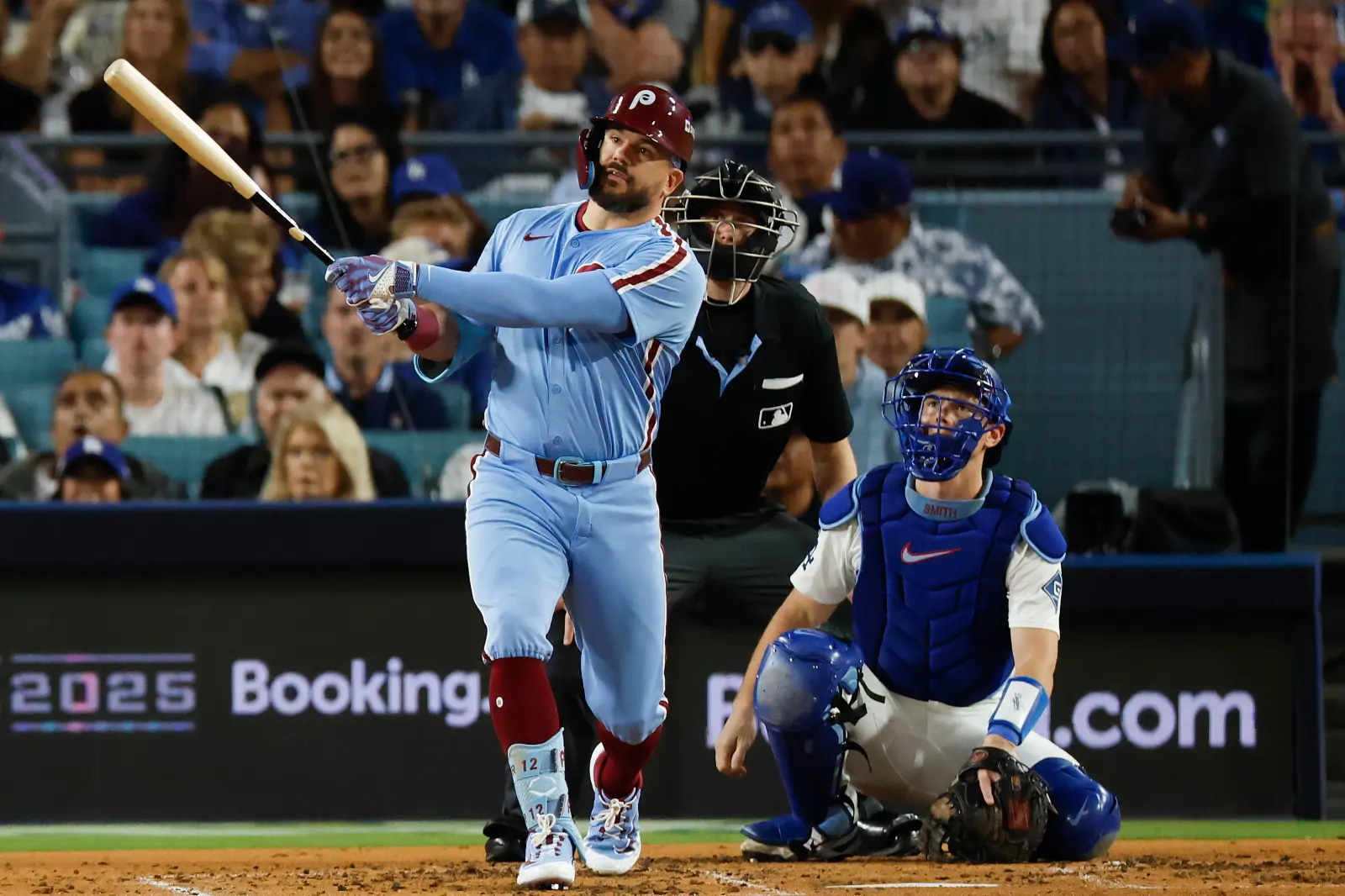
While players who don’t provide defensive value often face limitations in the free-agent market, Schwarber has managed to transcend those constraints through his combination of elite production, experience, and leadership.
Many around the league believe that Schwarber’s offensive pedigree makes him one of the rare designated hitters worthy of a high-value long-term contract. Analysts have highlighted his consistent home-run totals, his plate discipline, and his ability to change the momentum of games with a single swing.
Team executives see him as a hitter who can anchor the middle of a lineup even as he enters his mid-30s. Some insiders have even referred to him as a “difference-maker” whose intangibles are nearly as important as his on-field contributions. These perspectives help explain why contract projections for Schwarber have climbed into nine-figure territory.
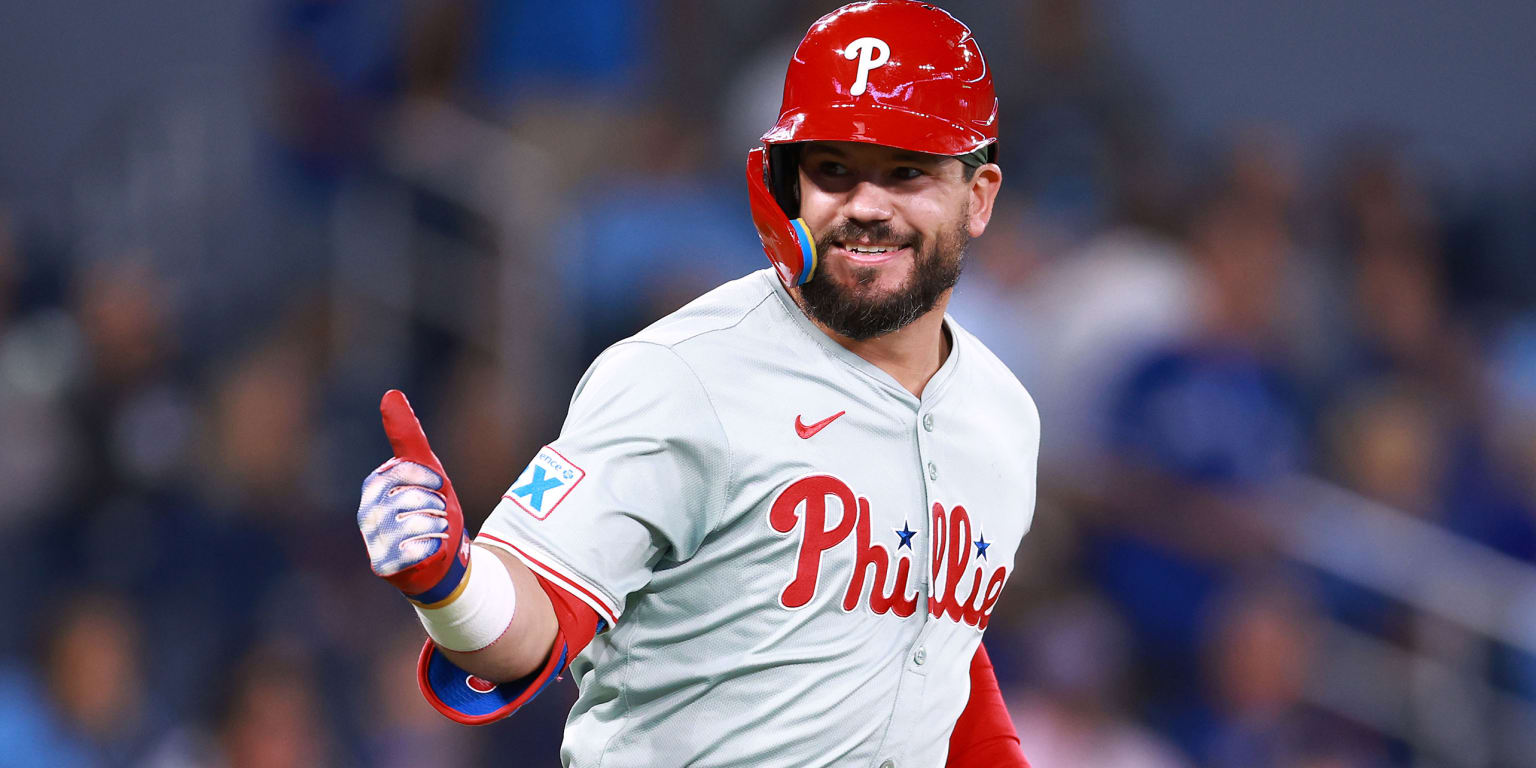
The projected five-year, $132 million figure has generated substantial discussion regarding where Schwarber might land, and many analysts still view Philadelphia as the most likely destination. The Phillies have come to value Schwarber not only for his production but also for his influence in the clubhouse.
Players and coaches often describe him as one of the driving emotional forces behind the team’s identity. Philadelphia’s front office has reportedly made retaining him a major priority, with some insiders suggesting team ownership is prepared to invest aggressively to keep him in the city.
At the same time, the path to a new deal is not without complications. Earlier efforts to negotiate an extension reportedly stalled, with both sides unable to reach common ground on value and length. Schwarber himself has expressed appreciation for Philadelphia and has spoken openly about feeling at home there, but he has also indicated a desire to explore the open market and evaluate all opportunities available to him. That combination of loyalty and openness may shape how discussions unfold in the coming weeks.
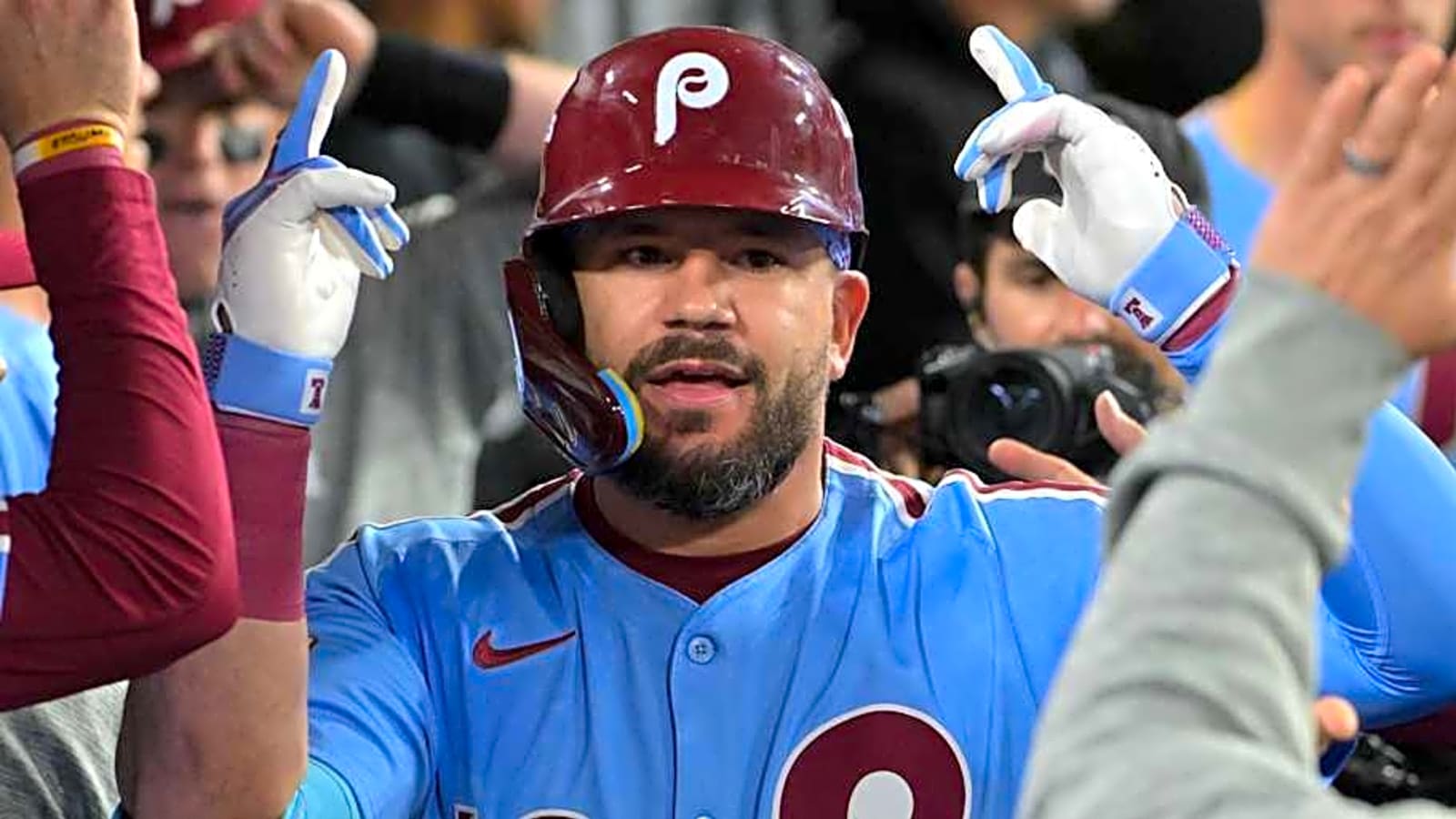
Several other clubs are believed to have interest in Schwarber as well, which could affect how the market evolves. Teams such as the Cubs, Red Sox, Reds, Tigers, and Pirates have all been connected to him in various reports.
The mention of the Pirates, in particular, raised eyebrows across the league, as the organization has historically been cautious about major long-term expenditures. Their involvement suggests that Schwarber’s market could be broader and more competitive than initially expected. For teams that lack a dominant left-handed power bat, Schwarber represents the type of player who can instantly shift an offensive identity.
With every opportunity, however, comes risk. Teams evaluating Schwarber must weigh the financial commitment of a five-year deal against the realities of age and performance decline. Schwarber will be 33 next season, an age at which many power hitters begin to see reductions in bat speed or durability. Because Schwarber provides limited defensive value, any decrease in offensive output would be felt more sharply than it might be for two-way players.
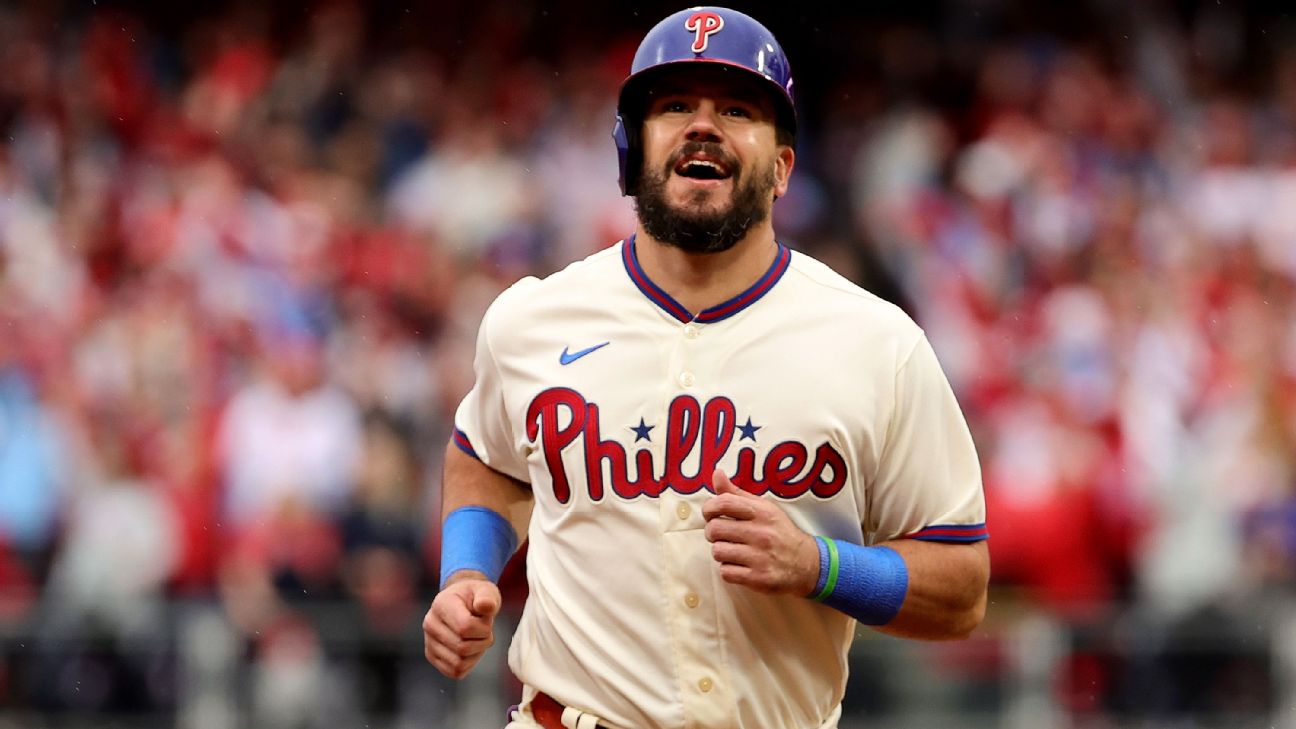
A long-term contract for a designated hitter therefore carries inherent uncertainties, and front offices will need to consider how his performance will translate over the full length of a multiyear agreement.
Still, Schwarber’s advocates point to several reasons why the investment is justified. His track record is long enough and strong enough that teams feel confident in forecasting at least several more seasons of elite hitting. His power has remained stable year after year, and his ability to work deep counts and draw walks gives him additional value even when he is not hitting home runs. Furthermore, Schwarber has consistently proven himself in high-pressure moments, adding a layer of postseason credibility that teams covet.
The implications of a potential $132 million contract extend beyond Schwarber himself. If he lands a deal of that magnitude, it would reshape the market for designated hitters, setting a new benchmark for players who contribute almost entirely through offense. Only a handful of DH-heavy players in modern baseball history have secured such lucrative terms, and Schwarber’s deal could influence how teams negotiate with other power bats in the years ahead. It could signal a shift in organizational philosophy, reinforcing that elite hitters can command premium value even without defensive versatility.
For the Phillies, the decision carries significant weight. Re-signing Schwarber would maintain one of the most formidable offensive cores in the National League, preserving the middle-order threat alongside Bryce Harper. Losing him, on the other hand, would create a sizeable void both in terms of production and in the team’s emotional fabric. Schwarber has become a fan favorite and an emblem of the club’s culture, and his departure would mark a major change in the roster’s identity.
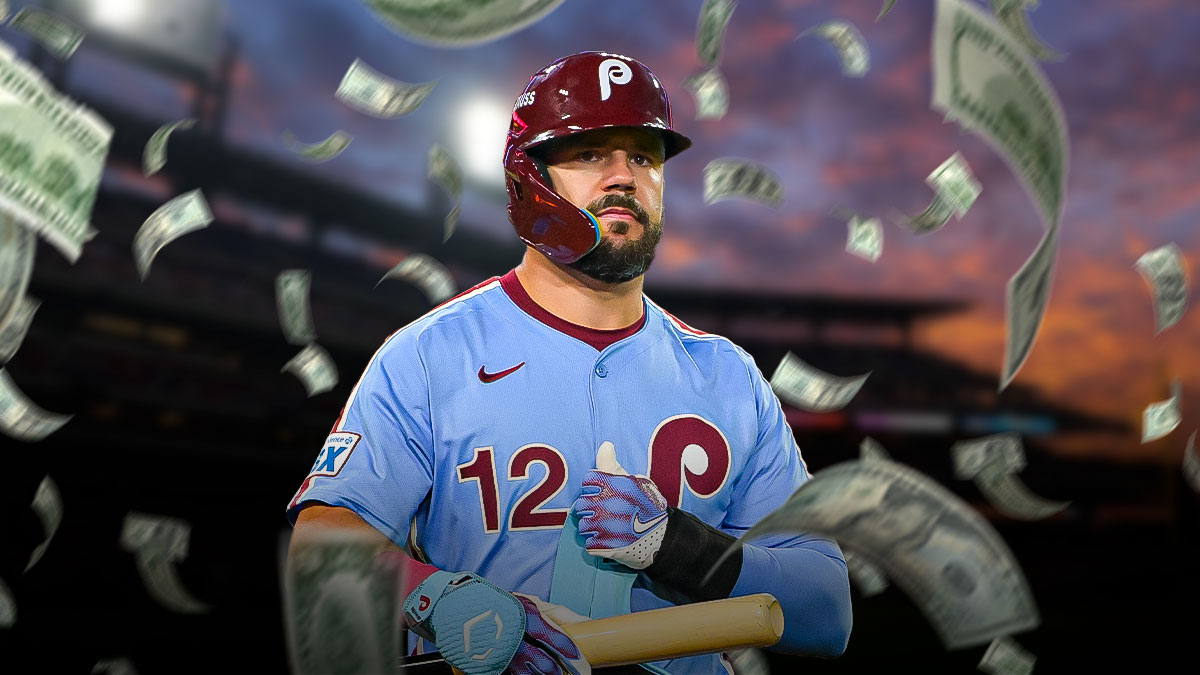
As the offseason continues, all eyes will remain on Schwarber and the teams courting him. His combination of power, personality, and postseason pedigree makes him one of the most unique free agents in recent memory. Whether he returns to Philadelphia or starts a new chapter elsewhere, the scale of his projected deal reflects the league’s belief in the enduring value of an elite slugger. The coming weeks will reveal whether the estimates prove accurate, but one thing is clear: Kyle Schwarber has positioned himself at the center of one of the most compelling contract stories of the winter.