

The Cincinnati Reds took a decisive step in shaping their roster this week, announcing a significant move that reflects both their short-term needs and long-term strategic planning. Right-handed pitcher Carson Spiers, a familiar face in the Reds’ bullpen over the past three seasons, has been designated for assignment to make room for three promising additions to the team’s 40-man roster. This decision underscores the balancing act that teams face in maintaining depth, managing player options, and planning for both the present and future of the organization.
Entering the day, the Reds only had two open spots on their 40-man roster. With three new players slated for addition, it was clear that one roster adjustment was necessary. Spiers, 28, ultimately became the odd man out, a move that may come as a surprise to some fans who have followed his development over the years. Spiers has been with the Reds organization for over five and a half years, progressing through the minor leagues before earning his place in the major leagues. His journey from minor-league prospect to major-league contributor has been marked by perseverance, adaptability, and a willingness to embrace different roles within the bullpen.

During his time in Cincinnati, Spiers appeared in 29 games for the major-league club, posting a cumulative ERA of 5.69. While these numbers may not immediately stand out, they reflect the challenges faced by many pitchers adjusting to the big-league level. This season, in particular, has been difficult for Spiers. In 13 1/3 innings pitched, he allowed nine earned runs—a small sample size that underscores the volatility that often accompanies relief pitching. Additionally, much of the season was lost to a shoulder impingement that placed Spiers on the injured list for an extended period. This injury, while not career-threatening, certainly disrupted his rhythm and limited his ability to contribute consistently to the Reds’ bullpen.
Despite the injury and uneven performance, Spiers still had two minor-league options remaining, which might have provided flexibility in keeping him within the organization. However, the Reds ultimately decided that their current roster construction called for players who could provide more immediate and reliable depth. This reflects a broader trend in modern baseball, where teams are increasingly willing to make difficult roster decisions in order to maximize both short-term performance and long-term organizational flexibility.
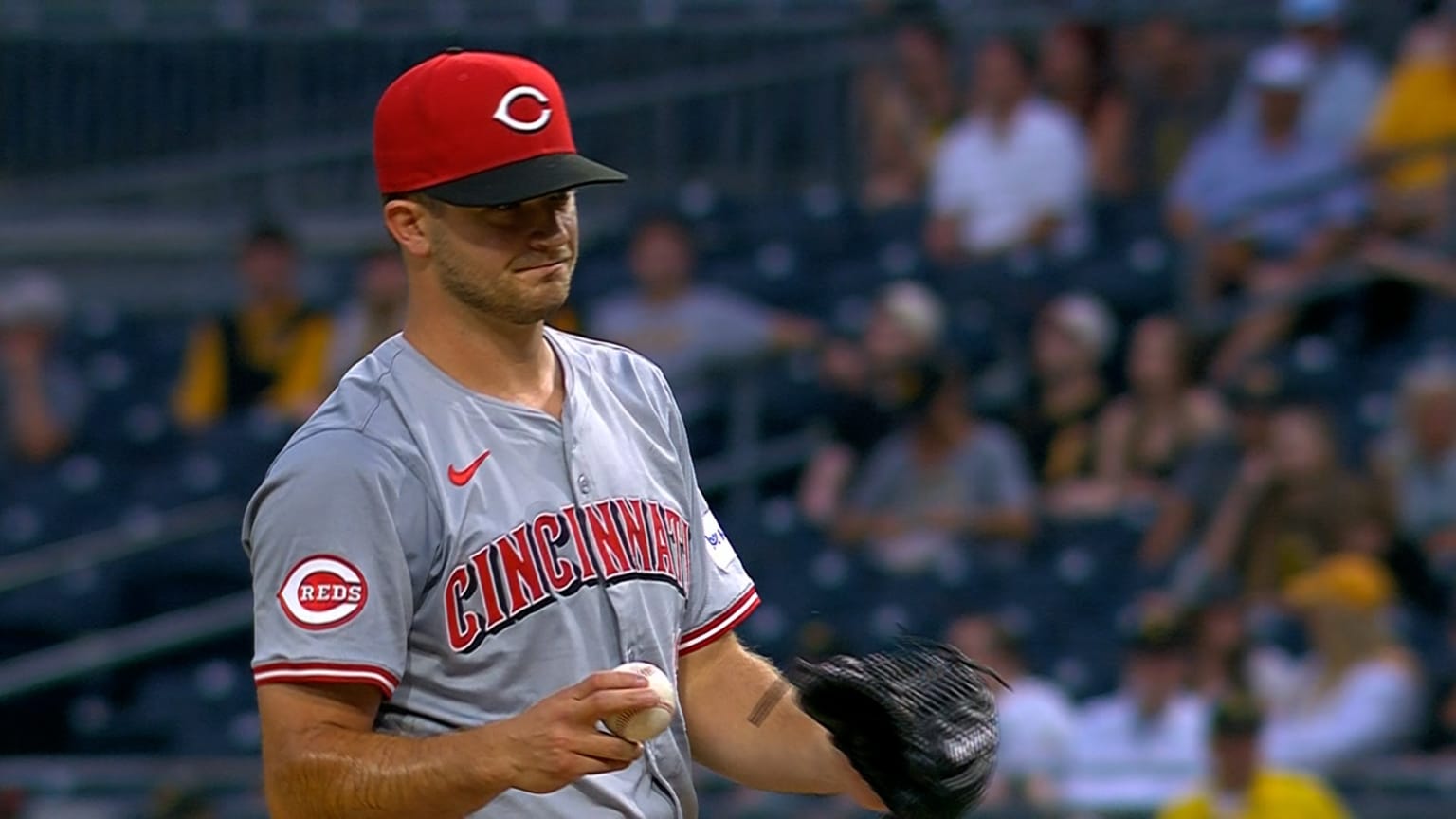
For Spiers, this designation represents both a challenge and an opportunity. Having spent more than half a decade in the Reds’ system, he now has the chance to showcase his talents elsewhere. Pitchers with MLB experience, particularly those with a history of navigating various roles in a bullpen, often attract interest from other organizations looking for depth. Whether Spiers lands with another major-league club or receives an opportunity to rebuild his form in the minors, this new chapter in his career could provide a fresh start and a renewed opportunity to prove his worth.
The three new additions to the Reds’ 40-man roster are expected to provide immediate depth and potential future impact for the team. While the organization has not disclosed all the details regarding these players, such moves typically involve top prospects or players who have demonstrated strong performance at the minor-league level.
Adding them to the 40-man roster not only protects these players from the Rule 5 draft but also signals that the Reds see them as potential contributors in the near future. This infusion of talent could be particularly important as the team navigates the demands of a long and challenging MLB season, where injuries, fatigue, and performance fluctuations are inevitable.
Roster management in Major League Baseball is a complex puzzle. Each team must balance immediate needs with long-term development, ensuring that they have the right mix of veterans, established contributors, and promising prospects. In the Reds’ case, the decision to designate Spiers highlights the organization’s commitment to protecting young talent while maintaining depth across all positions. Relief pitchers, in particular, often face the most precarious roster situations due to the volatile nature of bullpen performance and the frequent shuffling required to address day-to-day needs.
Fans who have followed Spiers’ journey will recall his resilience and adaptability. After being drafted and working his way through the Reds’ farm system, he earned his first taste of major-league action and quickly became a versatile option out of the bullpen. His ability to handle multiple innings and adapt to different game situations made him a valuable, if sometimes overlooked, contributor. While his major-league numbers may not have fully captured his potential, teammates and coaches often spoke of his work ethic, professionalism, and willingness to contribute wherever needed.
From an organizational perspective, the Reds now have a 40-man roster that reflects both strategic planning and tactical necessity. By making room for three new players, the team ensures that it has flexibility to address injuries, performance slumps, and other unforeseen challenges over the course of the season. This proactive approach is critical in a league where depth can often determine the difference between a playoff contender and a middle-of-the-pack team. The addition of top prospects not only strengthens the roster immediately but also signals a forward-looking mindset aimed at sustained competitiveness.

Spiers’ departure also serves as a reminder of the harsh realities of professional baseball. Even talented, hard-working players face difficult decisions as teams navigate the constraints of roster size, options, and player development. While the news may be disappointing for fans who have grown attached to Spiers, it is part of the natural ebb and flow of the sport, where opportunities and challenges often arise unexpectedly.
Looking ahead, the key question for the Reds will be whether the new additions can make a tangible impact at the major-league level. Fans and analysts will be watching closely to see if these players can step into high-leverage situations, contribute to wins, and demonstrate that they are ready for sustained roles in the big leagues. If successful, these moves could pay immediate dividends, enhancing the Reds’ competitiveness while validating the organization’s roster decisions.
For Spiers, the road forward will likely involve showcasing his abilities in a new environment. Many players who have been designated for assignment find renewed success with a change of scenery, particularly when joining organizations that provide clear opportunities and defined roles. Given his experience and skill set, Spiers could find a place in another major-league bullpen or in a minor-league system with a path back to the majors.
From a broader perspective, this roster move illustrates the delicate balance that all MLB teams must maintain. The 40-man roster is not just a list of players; it is a strategic tool used to protect prospects, manage options, and ensure that teams can respond effectively to the unpredictable nature of a baseball season. Every decision carries ramifications for performance, development, and long-term planning. In this case, the Reds demonstrated a willingness to make a difficult but calculated decision in order to prioritize organizational depth and future potential.
The designation of Spiers also highlights the importance of health and durability in the modern game. Shoulder injuries, while often manageable, can significantly impact a pitcher’s performance and reliability. Teams must weigh the risk of injury recurrence against the potential contribution a player can make. For the Reds, maintaining a roster filled with reliable arms was a priority, particularly given the rigors of a major-league pitching staff and the demands of a full 162-game schedule.
Additionally, this move reflects the Reds’ broader strategy of blending experience with youth. By adding top prospects, the organization ensures that the team has a pipeline of talent ready to step in as opportunities arise. At the same time, maintaining veterans like Spiers can be valuable for leadership and mentorship, but when roster constraints force a decision, potential and reliability often take precedence.
For fans, this roster shuffle offers a glimpse into the behind-the-scenes challenges of team management. Decisions like these are never easy, as they involve balancing player development, team performance, and future planning. The Reds’ front office must consider a multitude of factors, from statistical analysis to scouting reports, when determining which players to retain and which to part ways with.
Ultimately, the move sends a clear message: the Reds are committed to building a roster capable of competing at a high level both now and in the future. By designating Spiers and adding three new players, the organization is demonstrating a proactive approach to roster management, one that values flexibility, depth, and the cultivation of emerging talent.
As the season progresses, all eyes will be on the impact of the new additions. Will they become key contributors? Can they help the Reds navigate the challenges of a grueling schedule? These questions will be answered on the field, where performance, opportunity, and a bit of luck combine to shape outcomes.
For Carson Spiers, the future remains open. His experience, resilience, and versatility give him a solid foundation to pursue opportunities elsewhere, and his story serves as a testament to the determination required to reach and stay in the major leagues. While his time in Cincinnati has concluded, his career is far from over.
In conclusion, the Reds’ recent roster move is emblematic of the complex decisions that define professional baseball. It reflects the interplay of performance, potential, and strategic planning, highlighting the constant adjustments teams must make to stay competitive. While Spiers’ departure marks the end of one chapter, the addition of three new players offers hope, excitement, and renewed energy for the organization as it continues to navigate the challenges of the major-league season. The coming weeks will provide clarity on whether these roster decisions translate into tangible success, both for the Reds as a team and for Spiers as he seeks a fresh start elsewhere in the league.