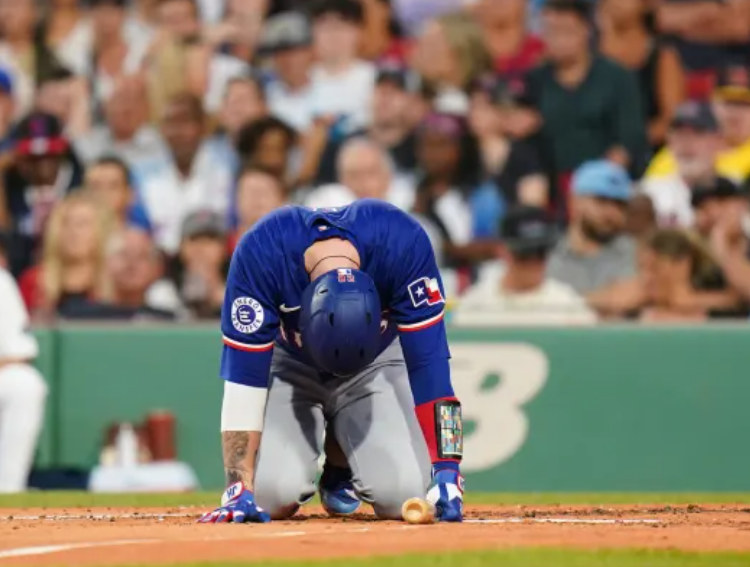

Mark Canha requested his release from the Texas Rangers in April 2026, and the club granted it, making him a free agent. The move came after he signed a minor-league deal with the Rangers earlier in the year but failed to secure a spot on the major league roster out of spring training. Despite delivering a respectable performance during camp, he was ultimately passed over in favor of other veterans, including Andrew McCutchen, who earned one of the available roster spots.
Canha’s situation reflects a common reality for experienced players nearing the later stages of their careers. At 37 years old, he is no longer viewed as an everyday cornerstone, but he still believes he can contribute meaningfully at the major league level. After not making the team, he remained in extended spring training, effectively on standby in case of injuries or roster changes. However, with the Rangers staying relatively healthy and not needing immediate reinforcements, there was no clear timeline for his promotion.

Rather than wait indefinitely without playing in meaningful games, Canha chose to take control of his situation. Requesting his release allowed him to explore opportunities with other teams that might have a more immediate need for a player with his skill set. This kind of move is not unusual in baseball, especially for veterans on minor-league contracts who often have opt-out clauses or informal understandings that allow them to pursue better opportunities if they are not added to the major league roster.
Throughout his career, Canha has built a reputation as a reliable and versatile player. He can handle both corner outfield positions and first base, and he offers value as a right-handed hitter with power and on-base ability. While he may not be an everyday starter at this stage, he can still serve as a platoon option, a bench contributor, or a clubhouse veteran presence for a contending team. His experience and professional approach are often appealing to organizations looking to strengthen depth during a long season.
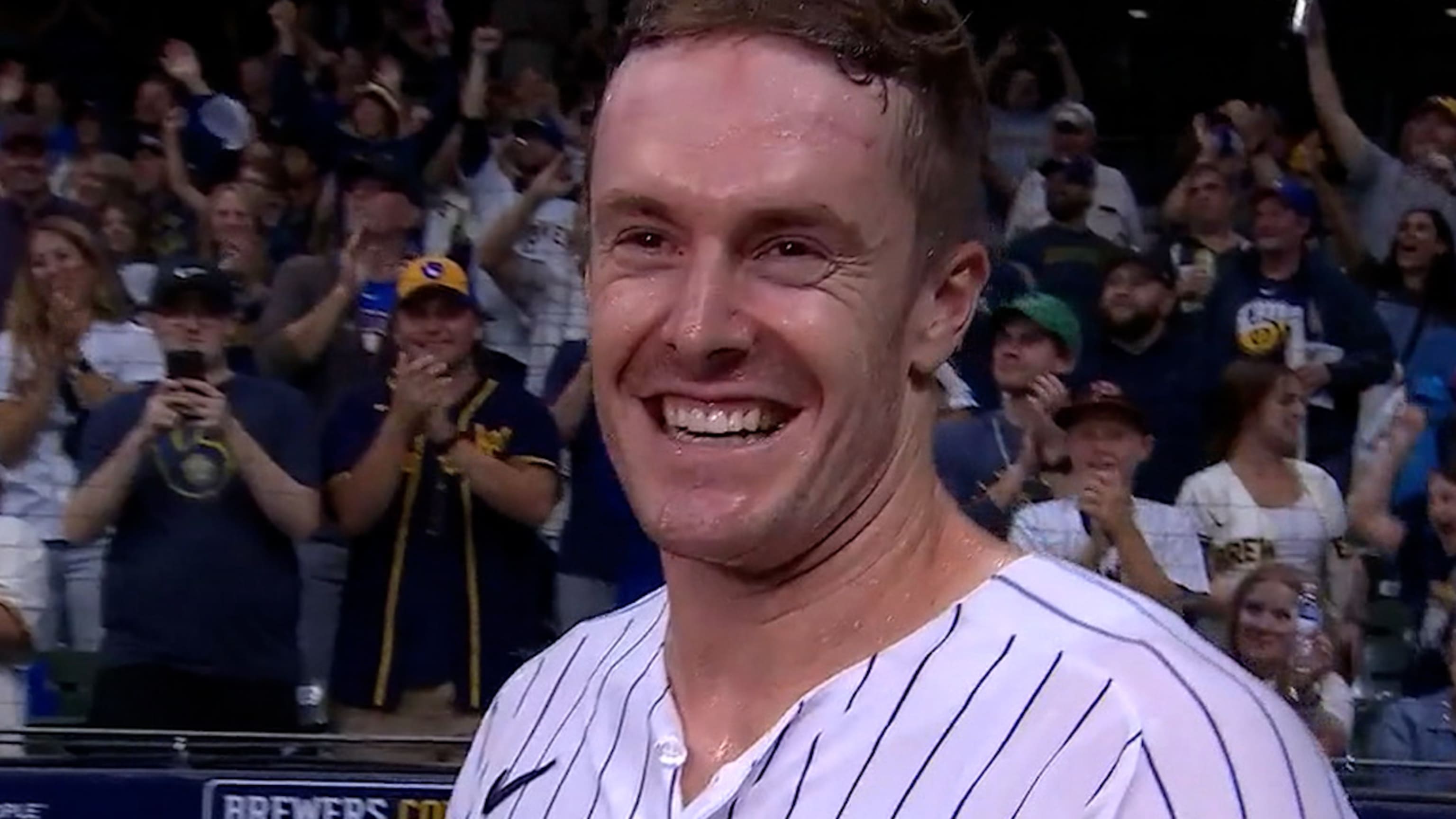
For the Rangers, granting his release was a straightforward decision. With their roster set and no immediate role available, keeping Canha in limbo would not have benefited either side. Allowing him to leave gives him a chance to continue his career elsewhere while maintaining goodwill with a respected veteran.
Now a free agent, Canha is expected to draw interest from teams dealing with injuries, underperforming hitters, or a need for experienced depth. His next destination will likely depend on where he sees the clearest path to playing time. The situation is less about conflict and more about timing and opportunity, highlighting the constant balancing act between team needs and player ambitions in Major League Baseball.