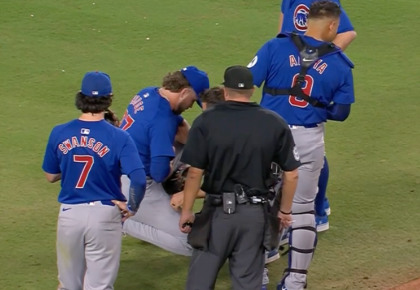
The Chicago Cubs have been dealt a significant blow to their pitching plans as right-handed pitcher Cade Horton has suffered an injury, leaving the organization facing uncertainty at a critical point in the season. While details on the exact nature and severity of Horton’s injury remain limited, the timing could not be worse for a Cubs rotation that has been striving for consistency and depth.
Horton, a highly regarded young pitcher, was seen as a potential cornerstone for the Cubs’ rotation. Known for his strong arm, advanced pitching mechanics, and poise on the mound, he has been a key part of the organization’s long-term plans. His injury now introduces both short-term and long-term challenges for the team, particularly as they navigate the grind of the MLB season and aim to remain competitive in a tight division.

Cubs Receive Setback as Pitcher Cade Horton Suffers Injury
The impact of Horton’s absence will likely ripple across the pitching staff. With one fewer reliable arm in the rotation, the Cubs may need to adjust their starting lineup, consider bullpen innings extensions, and explore internal or external options to fill the void. These adjustments, while common in professional baseball, can create strain on pitchers and may require careful management to avoid overworking other members of the pitching staff.
 For fans and analysts, Horton’s injury raises questions about the Cubs’ immediate pitching depth. While the organization has invested in young talent and maintained a mix of veteran presence, losing a promising starter like Horton midseason can disrupt rotation stability. The team will need to rely on other pitchers, potentially calling on minor league prospects or adjusting roles within the bullpen to cover innings.

Horton’s background underscores why his loss is felt so keenly. Drafted with high expectations, he quickly developed a reputation for control, velocity, and composure beyond his years. Many within the Cubs organization had projected him to evolve into a dependable mid-to-front-of-the-rotation starter, capable of carrying innings while keeping the team competitive on a nightly basis. His early career trajectory reflected both promise and the organization’s confidence in his abilities.
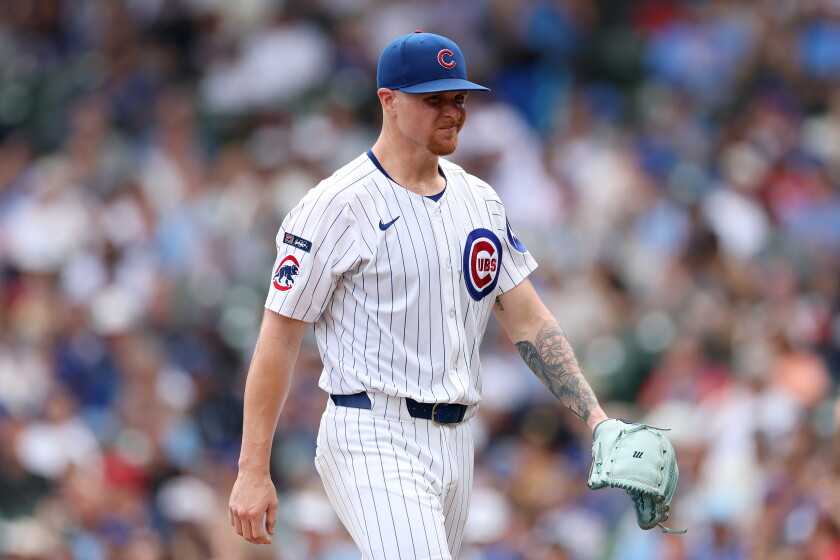
In addition to his on-field abilities, Horton brings a level of leadership and work ethic that has been lauded by coaches and teammates alike. Even as a young pitcher, his approach to preparation and his professionalism have made him a model for other young players in the system. Losing him temporarily not only affects the rotation but also removes a positive influence on the clubhouse, particularly for other pitchers and developing prospects.
The Cubs’ medical and coaching staff will now turn their full attention to assessing Horton’s injury and establishing a recovery timeline. Depending on the severity, this could range from a short-term absence of a few weeks to a more extended period on the injured list. Decisions regarding his rehabilitation and return will be carefully calibrated to ensure that he can come back at full strength without risk of re-injury—a delicate balance that teams must maintain with young pitchers.
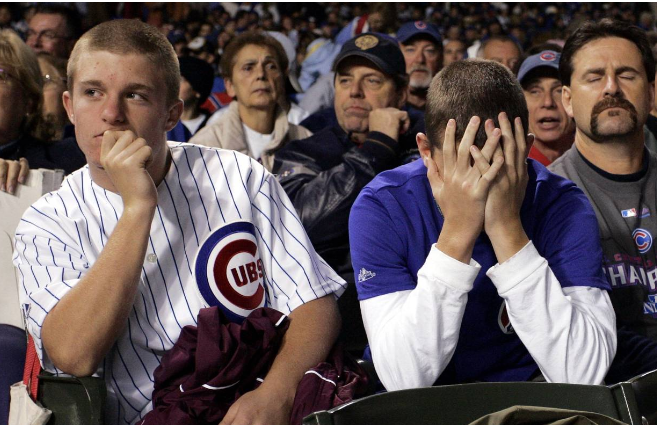
For the Cubs’ fans, the news is disappointing, as Horton had become a symbol of hope for a rotation looking to regain stability. His ability to deliver quality innings consistently had been crucial to the team’s strategy, and his presence had offered a measure of confidence for the remainder of the season. Now, the focus shifts to how the team can adapt while waiting for his return.
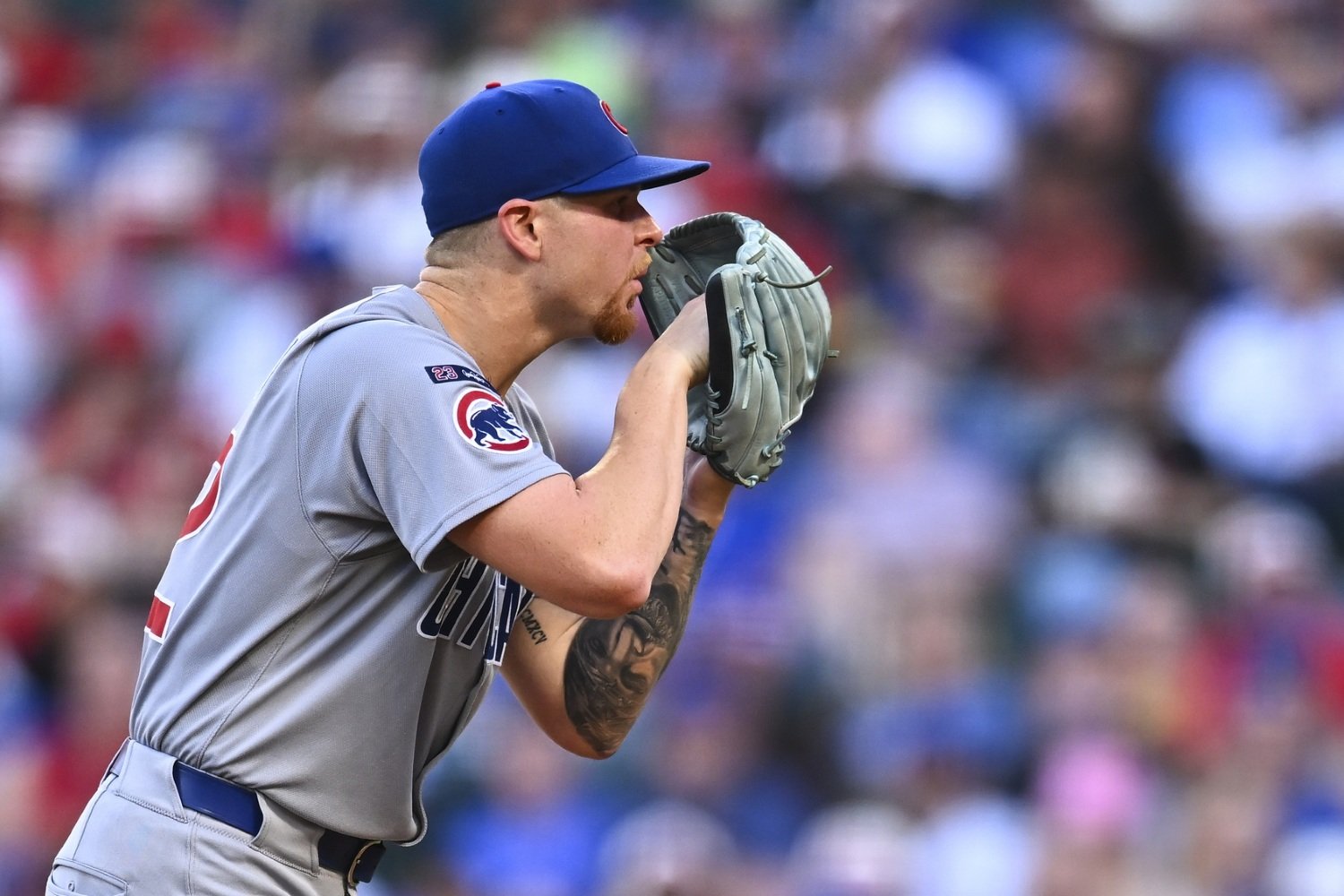
Historically, the Cubs have managed pitching injuries by leaning on a combination of veteran experience and emerging talent from their farm system. How effectively they manage Horton’s absence could play a significant role in determining the team’s competitiveness in the division over the coming weeks. With playoff implications always in mind, every adjustment and decision takes on added weight, making the next series of games critical.
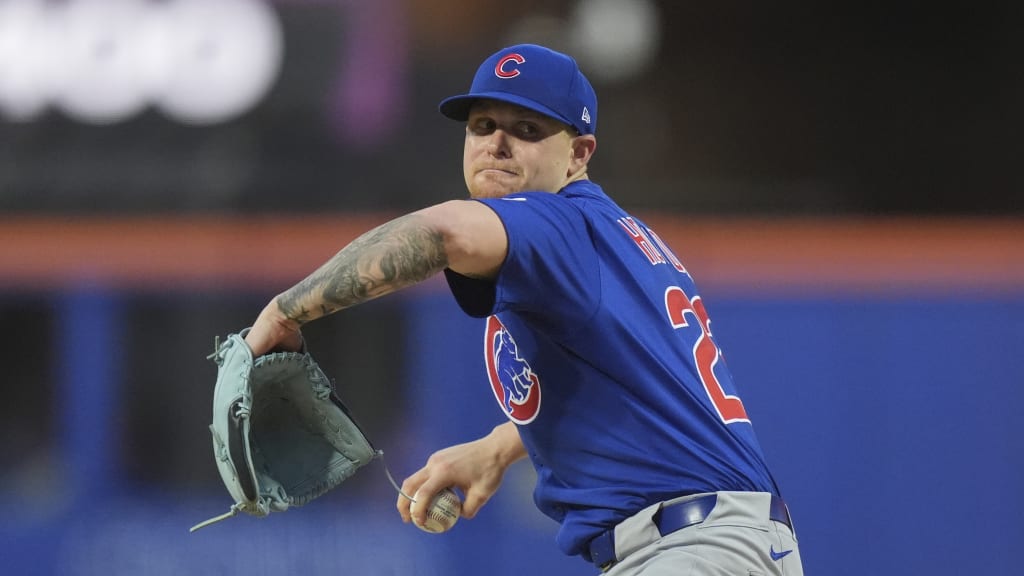
In the meantime, all eyes will be on Horton’s progress. Updates from the team will be monitored closely by fans, analysts, and the broader MLB community. The organization’s ability to navigate this setback successfully will test both the depth of the roster and the flexibility of the coaching staff.
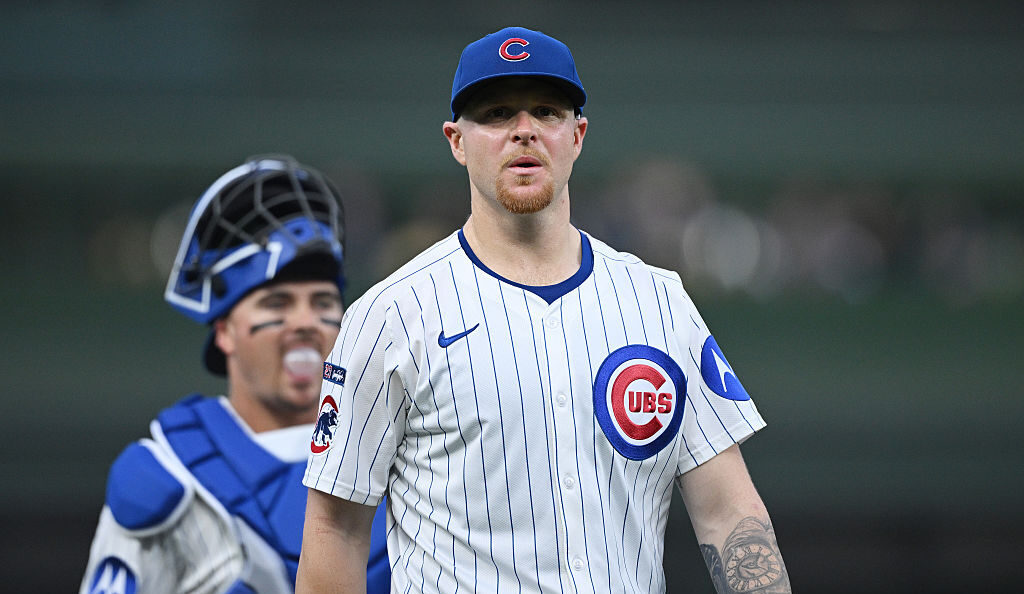
While injuries are an unavoidable part of professional sports, the timing and impact of Horton’s situation highlight just how fine the margins are in a competitive MLB season. The Cubs will need to respond strategically, both to preserve their standing and to ensure that Horton can return to contribute at the level the organization expects.
For now, the key takeaway is clear: Cade Horton’s injury represents a setback for the Cubs, but it also provides an opportunity to test the resilience and adaptability of the team. How the organization responds will be as important as the recovery itself, as the season continues and the Cubs push toward their ultimate goals.