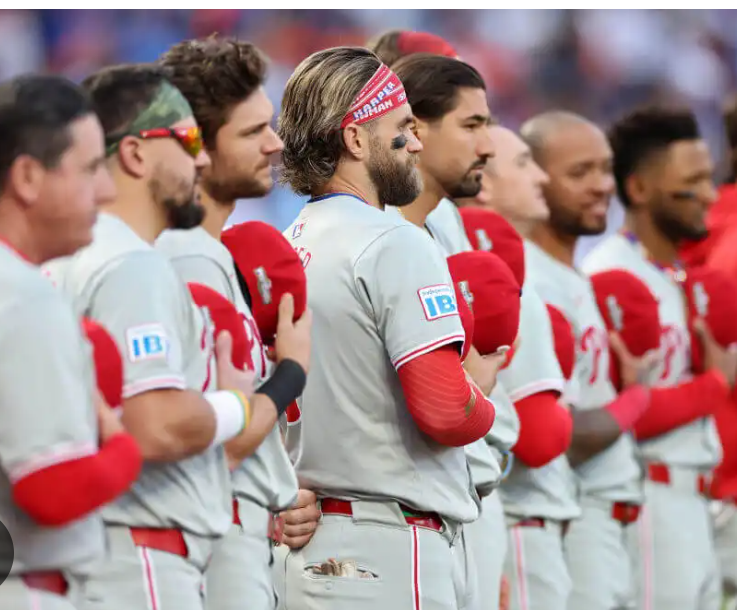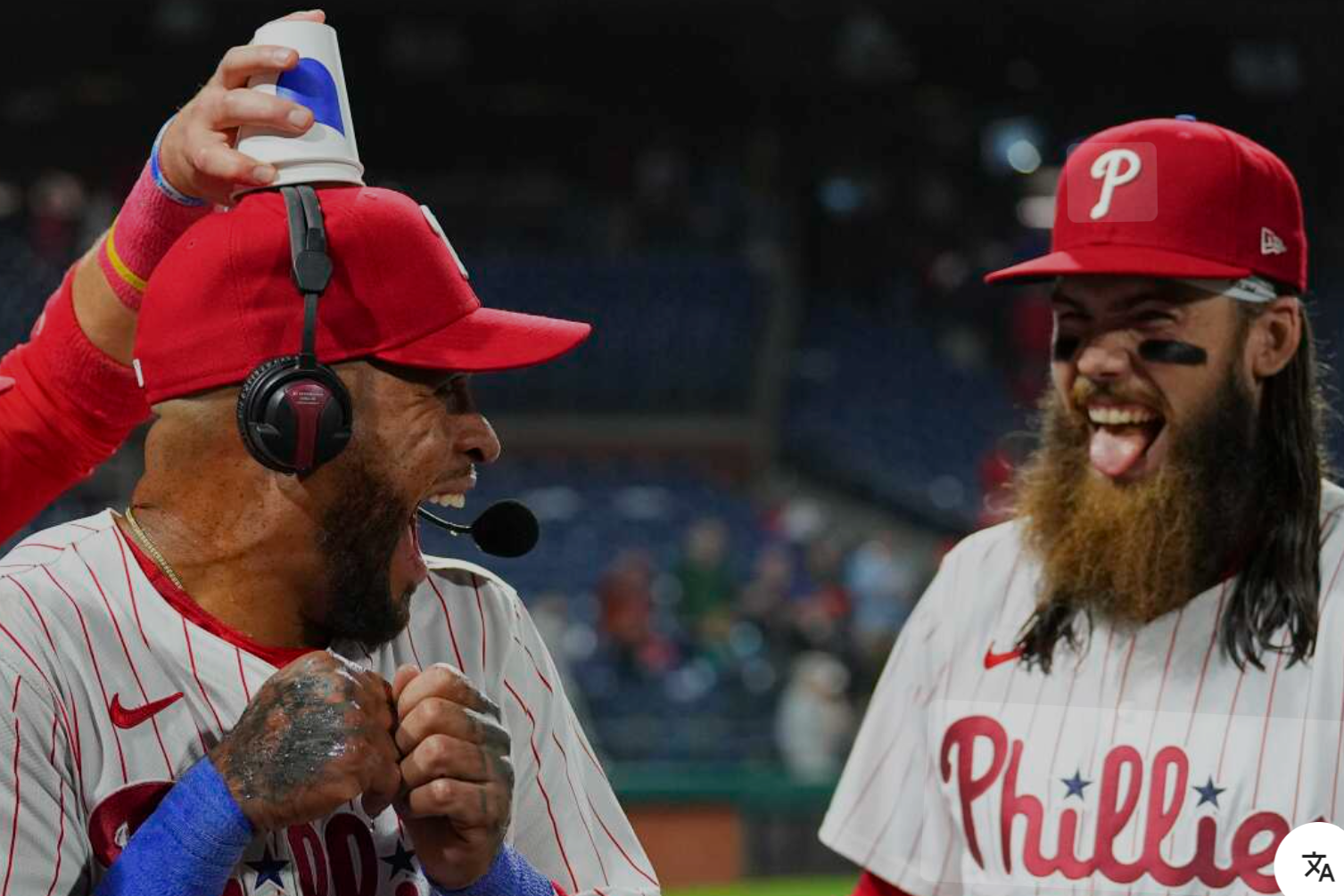

With the start of the 2026 MLB season just around the corner, the Philadelphia Phillies have made a notable move to strengthen their pitching depth by reacquiring a former prospect who briefly donned another team’s uniform. The Phillies announced that right-handed pitcher Griff McGarry has officially returned to their organization after a short stint with the Washington Nationals. This move, while perhaps flying under the radar for casual fans, is a meaningful one for the Phillies’ pitching staff as they navigate the uncertainties of a long season.
McGarry’s journey back to Philadelphia has been somewhat unusual. The 26-year-old hurler was originally with the Phillies’ minor league system but was selected by the Nationals in the Rule 5 Draft during the offseason. Under the rules of the draft, a team that selects a player must keep him on its 26-man major league roster for the entire season or offer him back to his original club. McGarry’s tenure with Washington, however, was short-lived. Over the weekend, the Nationals designated him for assignment, thereby opening the door for the Phillies to bring him back. This scenario, while uncommon, is a reminder of how the Rule 5 Draft can create unexpected roster changes and opportunities for both players and teams.
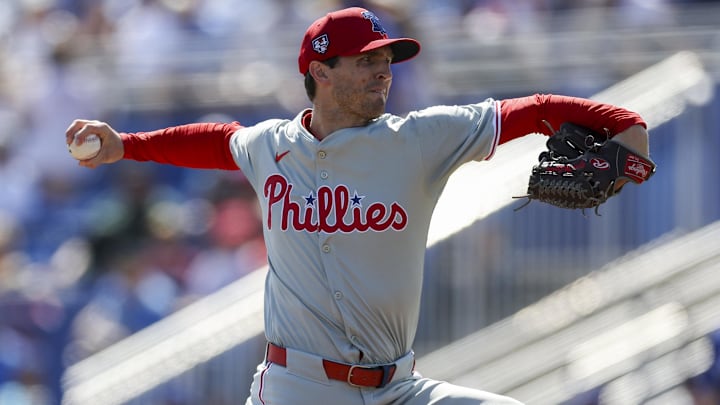
Once back in Philadelphia, the Phillies decided to assign McGarry to Triple-A Lehigh Valley, allowing him to continue developing while also remaining an option for a major league call-up should injuries or performance issues arise. For a team like the Phillies, who are always monitoring their pitching depth closely, having a player like McGarry available is a strategic advantage. Triple-A Lehigh Valley has long served as a critical stepping stone for Phillies pitchers, giving them a chance to refine their skills and adjust to higher levels of competition before joining the big league roster.
McGarry brings an intriguing skill set to the table. Known primarily for his high-velocity fastball, he can hit 100 miles per hour, making him a formidable presence on the mound. Beyond raw speed, McGarry has shown the ability to generate strikeouts at a strong rate in the minors, indicating that he could be a high-upside piece for the Phillies’ bullpen or even a future starter. While he has yet to make his Major League debut, the Phillies’ decision to bring him back suggests that they see potential value in his arm, particularly as the season progresses and opportunities for call-ups arise.

Looking at his performance over the past season provides some context for his potential. Across 21 games at Single-A, Double-A, and Triple-A, McGarry compiled a 2-5 record with a 3.44 ERA and an impressive 124 strikeouts. These numbers indicate that while his win-loss record may not have been eye-catching, his ability to miss bats and limit runs was evident, particularly as he progressed through the higher levels of the minor leagues. His performance suggests a pitcher who is still developing but who has flashes of dominance that could translate to the big league level with refinement and experience.
The Phillies’ decision to assign him to Triple-A also makes sense when considering the structure of their pitching staff. Philadelphia has a mix of veteran starters and a bullpen that has been effective but also susceptible to the rigors of a long season. Injuries are always a possibility, and depth is crucial for a team with playoff aspirations. McGarry’s return gives the Phillies a high-velocity option that can be called upon in various roles, whether as a late-inning reliever or potentially a spot starter if circumstances demand.
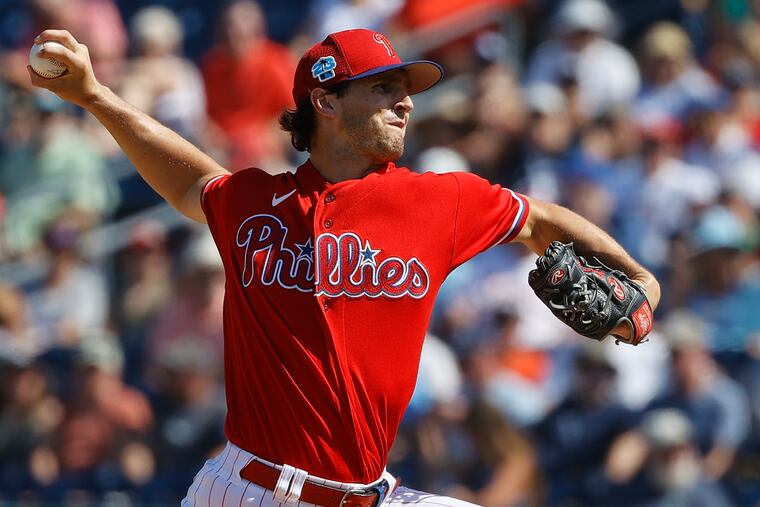
It’s also worth noting the mental aspect of McGarry’s journey. Being selected in the Rule 5 Draft, moving to a new organization, and then being designated for assignment before returning to the original team is not an easy path. Many players might see such movement as destabilizing, but McGarry now has an opportunity to use the experience as motivation. Returning to a familiar organization can provide a sense of stability and continuity, allowing him to focus on refining his pitches and preparing for a potential Major League opportunity.
The Phillies have a history of successfully developing pitchers who can contribute at the Major League level after spending time in Triple-A. By placing McGarry in Lehigh Valley, the organization is giving him a structured environment to continue honing his skills while keeping him in close proximity to the big league roster. For fans and analysts alike, it will be interesting to monitor how quickly he adapts and whether he can translate his minor league success into a meaningful role in Philadelphia’s bullpen or rotation.
Furthermore, McGarry’s velocity and strikeout potential align with the modern MLB emphasis on high-spin fastballs and strikeout pitchers. Teams increasingly value pitchers who can generate swings and misses, particularly in high-leverage situations. McGarry’s ability to reach triple digits with his fastball and complement it with secondary pitches could make him an asset in such scenarios. The Phillies’ front office likely sees this upside, which explains why they were quick to reclaim him once he became available.
Beyond the numbers and stats, McGarry’s story highlights the intricacies of roster management in Major League Baseball. The Rule 5 Draft, minor league assignments, and designations for assignment are all part of a complex system that can dramatically alter a player’s career path. For McGarry, these rules have resulted in a brief detour to Washington and a return to Philadelphia, offering both challenge and opportunity. Navigating this system successfully requires resilience and adaptability, qualities that are just as important as talent on the field.
In conclusion, the return of Griff McGarry to the Philadelphia Phillies adds an interesting chapter to the team’s 2026 season. While he begins back in Triple-A Lehigh Valley, the potential for a Major League call-up looms, especially as the season progresses and the Phillies manage the demands of a full schedule. With his high-velocity fastball, strikeout ability, and experience navigating multiple levels of professional baseball, McGarry represents both depth and potential upside. For the Phillies, it’s a low-risk move that could yield high rewards if McGarry develops as expected. For McGarry himself, it’s a second chance to prove he belongs at the highest level, and perhaps make a lasting impact in Philadelphia’s bullpen or rotation in the near future.
As Opening Day approaches, Phillies fans can take some comfort in knowing that their team has not only shored up pitching depth but also added a player with exciting upside. Griff McGarry’s story is a reminder that in baseball, careers can twist and turn in unexpected ways, and perseverance, coupled with talent, can open the door to new opportunities. The upcoming season will reveal just how McGarry fits into the Phillies’ plans, but for now, his return is a promising sign for both the player and the organization.