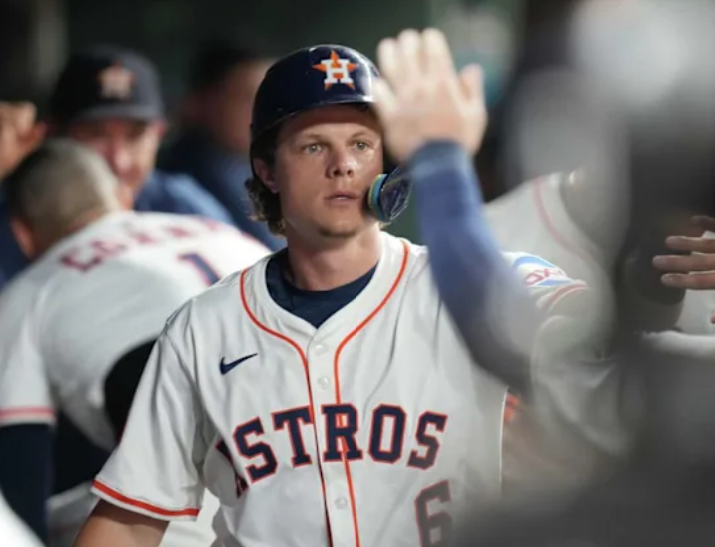

The Philadelphia Phillies have already made what may be the most consequential move of their offseason, signaling their intent to remain competitive in the National League East. During the Major League Baseball Winter Meetings on Tuesday, the team announced the return of designated hitter Kyle Schwarber, who agreed to a five-year, $150 million contract. Schwarber’s return provides a cornerstone of the Phillies’ lineup, giving them a powerful bat in the middle of the order and the consistency that comes with a proven major league performer. While the offseason is far from over, and a number of free agents remain on the market, the Phillies appear poised to focus on smaller, strategic additions rather than pursuing another blockbuster signing before opening day.
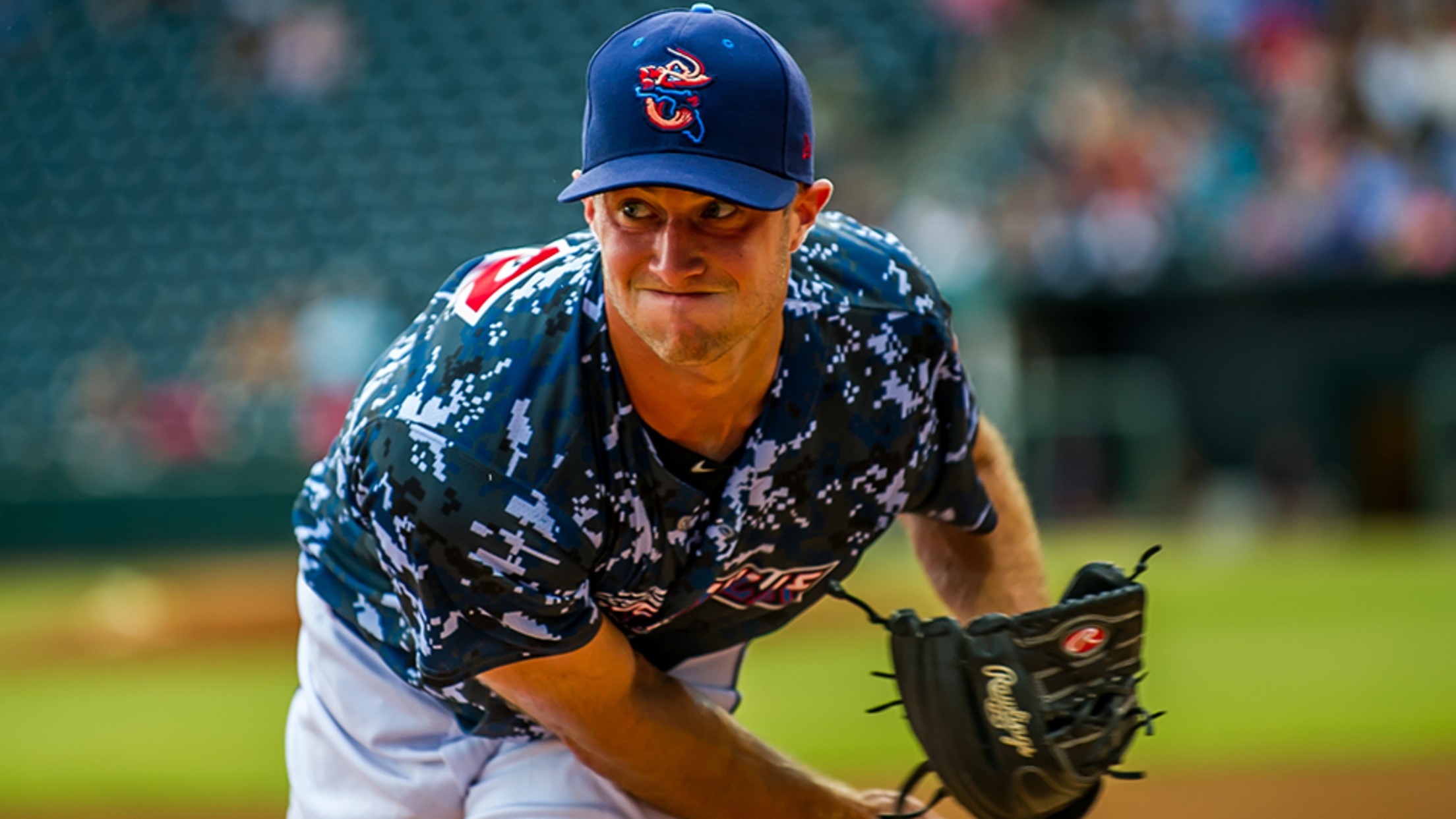
On Friday, the team added another piece to its roster puzzle, signing right-handed pitcher Trevor Richards to a minor league contract for the 2026 season. The move, reported by analyst Steve Potter, highlights the Phillies’ approach to adding depth and flexibility to their pitching staff without making a major financial commitment. Richards, 32, brings experience and versatility, even if recent seasons suggest he may no longer be a guaranteed major league contributor.
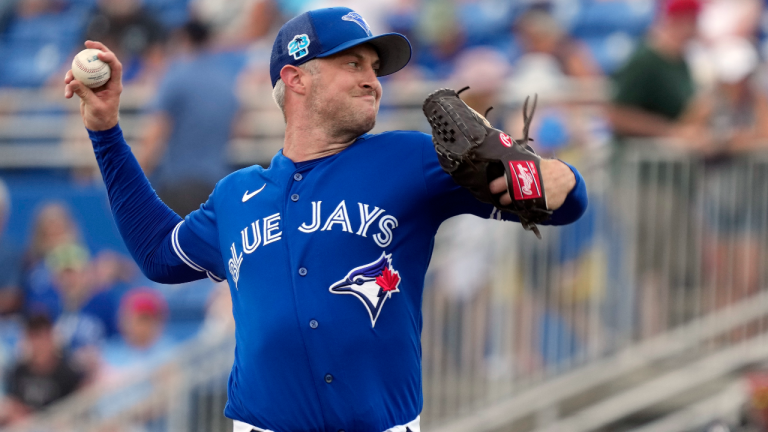
Richards had a turbulent 2025 season, playing for three different organizations: the Chicago Cubs, Kansas City Royals, and Arizona Diamondbacks. As Potter noted, Richards “was signed by the Cubs in January, released in May, signed by the Royals in May, released in June, and then signed by Arizona, with whom he finished the season he elected free agency in October.” Such movement underscores the volatile nature of bullpen work in modern MLB, particularly for pitchers who oscillate between starting and relief roles, and for veterans who may be seeking a stable landing spot after a series of short-term contracts.
Despite the recent instability, Richards’ overall career demonstrates resilience and adaptability. Across eight MLB seasons with seven different teams, he has amassed 616 career strikeouts and maintained a 4.53 ERA. While primarily a relief pitcher over the last several seasons, Richards has started 61 games in his career, beginning his professional journey as a starter and gradually transitioning to a bullpen role. This versatility makes him a valuable depth option, as the Phillies can deploy him in multiple scenarios depending on injuries, rotation needs, or late-inning matchups.
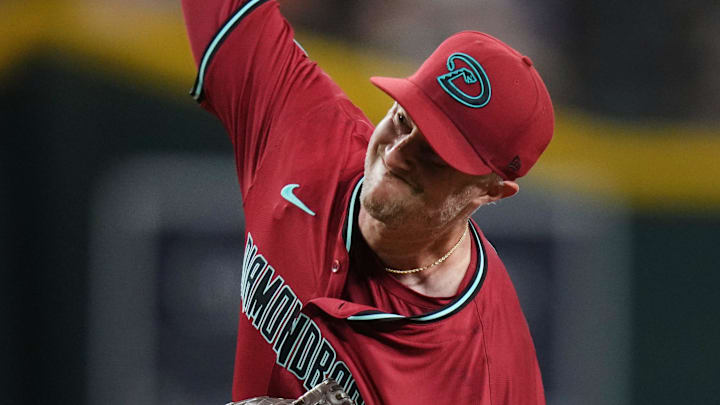
Richards’ journey in the major leagues is emblematic of many modern pitchers who must continuously adapt to changing team needs and evolving roles. He debuted in MLB as a starter and showed flashes of potential in those early outings, but over time, the trend toward bullpen specialization shifted his career trajectory. While he has experienced challenges maintaining consistency at the highest level, his ability to strike out batters and keep walks in check has made him a reliable depth option for teams looking for experienced arms who can bridge the gap between starters and closers.
Philadelphia’s decision to add Richards to the organization is also strategic from a roster construction standpoint. The Phillies are coming off a season in which bullpen depth was both a strength and, at times, a liability. By signing a veteran like Richards to a minor league deal, the team gains flexibility without committing a significant portion of its payroll, allowing them to evaluate Richards’ performance in spring training and decide whether he can earn a role in the major league bullpen. Additionally, minor league contracts often include incentives, meaning that if Richards performs at a high level, he can be rewarded while the team retains cost control.
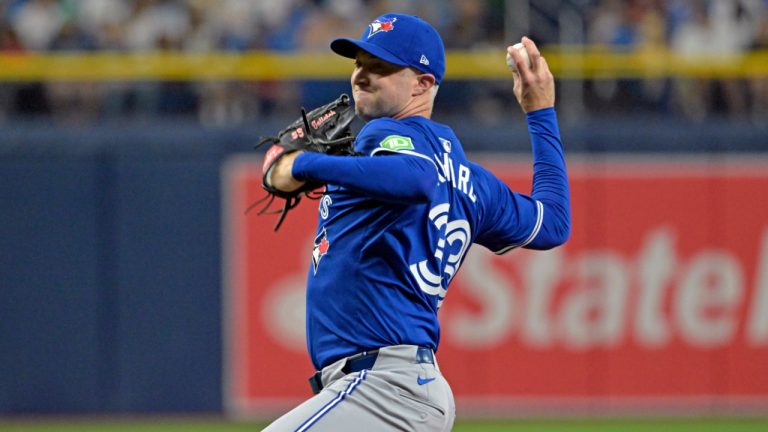
Richards’ signing also fits into a broader pattern seen across MLB, in which teams seek experienced veterans with a mix of starting and relief experience to stabilize their pitching staff. These players bring a knowledge of the league, an understanding of hitters, and a mental toughness that comes from navigating the ups and downs of a professional career. For younger pitchers in the Phillies’ system, having a veteran like Richards in the clubhouse can provide mentorship and guidance, helping them adjust to the pressures of the major leagues.
While Richards’ 2025 season was challenging, it also demonstrated his durability and willingness to adapt. Despite moving between three teams, he managed to remain prepared for each opportunity, pitching effectively enough to continue attracting interest from MLB clubs. This resilience is a key asset for the Phillies, as the team seeks to balance a mix of established stars like Schwarber with flexible, experienced contributors who can step in when needed.

Looking at Richards’ career as a whole, several patterns emerge that help explain why the Phillies were interested in bringing him into their organization. First, his strikeout ability has consistently been above average for a middle reliever, allowing him to miss bats and provide late-inning outs in high-leverage situations. Second, his previous experience as a starter gives him the stamina and pitching knowledge to handle multi-inning appearances if required. Third, his adaptability and track record of working with multiple organizations suggest a player who is coachable and capable of integrating quickly into new environments.
Richards’ addition to the Phillies is not necessarily headline-grabbing, but it is emblematic of the kind of offseason moves that often make a difference over the course of a long season. While star signings like Schwarber draw attention and shape the identity of a roster, depth acquisitions like Richards provide insurance and flexibility, allowing the team to weather injuries, slumps, and the inevitable fluctuations of a 162-game campaign.

In many ways, this minor league signing is a low-risk, high-reward proposition for Philadelphia. Should Richards rediscover the form that allowed him to pitch effectively at multiple levels, he could earn a spot in the bullpen and contribute meaningful innings. Even if he remains primarily a minor league option, his presence strengthens the organization’s pitching depth and ensures that the team is prepared for any scenario that arises during the season.
Richards’ story also underscores the volatility and opportunity inherent in professional baseball. His career has included multiple stops, changes in roles, and moments of both success and adversity. For the Phillies, signing a veteran reliever with such a background represents both a chance to capitalize on his experience and a signal that the team is committed to building a deep, flexible roster capable of contending over the long haul.
In conclusion, the Phillies’ offseason is shaping up to be a blend of high-profile re-signings and strategic depth moves. The reunion with Kyle Schwarber establishes a powerful foundation for the lineup, while the addition of Trevor Richards adds versatility, experience, and insurance for the pitching staff. Richards’ career, spanning eight seasons and seven teams, demonstrates resilience, adaptability, and a willingness to embrace different roles—qualities that align with Philadelphia’s approach to roster construction. While minor league deals do not guarantee major league success, they often provide crucial depth and flexibility, which can be the difference in a tight division race. By combining star power with experienced role players, the Phillies are positioning themselves to compete effectively in the 2026 season and beyond.