
Major League Baseball front offices are constantly on the lookout for players who might rediscover previously untapped potential, and the Seattle Mariners believed they had stumbled upon exactly that kind of opportunity when they brought back first baseman Austin Shenton. The organization had history with Shenton, having drafted him in the fifth round back in 2019 before later shipping him to Tampa Bay in the Diego Castillo trade.
When the Rays designated him for assignment last December, Seattle saw a familiar face with genuine power upside and the faint outline of a breakout candidate. They took a chance, hoping that a reunion might be mutually beneficial. Instead, the experiment never fully materialized, and now the Mariners’ low-risk gamble has reached an uncertain conclusion.
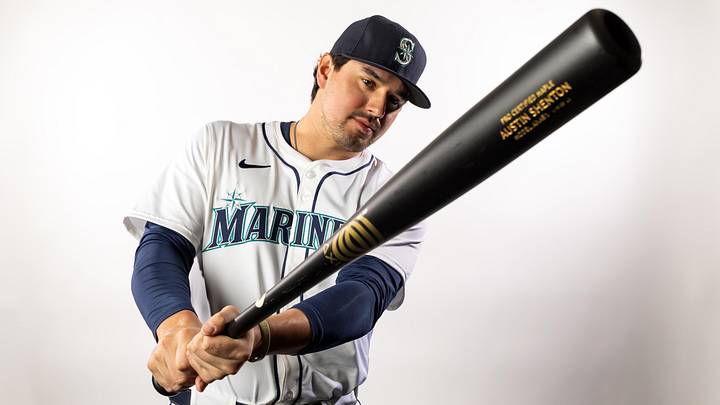
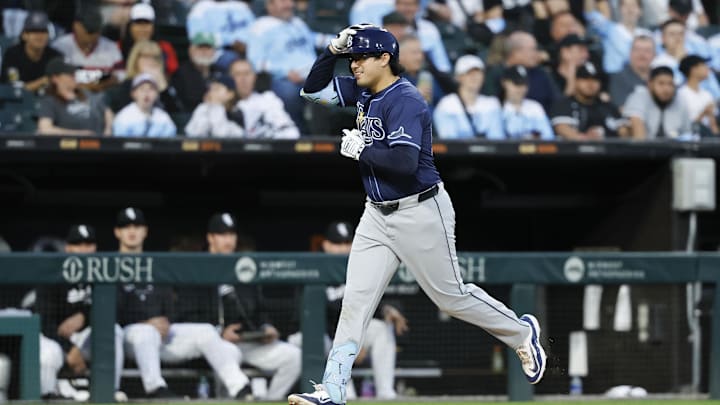
Shenton, now 27, had briefly reached the majors with the Rays, showing enough promise in his limited appearances to suggest that his bat might eventually carry him to a more permanent role. Tampa Bay, however, made the decision to move on, and Seattle acted quickly, acquiring him for cash considerations and bringing him into a system still searching for impact hitters. For a club that has struggled at times to develop homegrown offensive talent, adding a player with Shenton’s track record especially his minor-league power numbers was an easy decision. There was little risk, and the potential reward was intriguing: if his offensive game clicked, the Mariners could have found themselves a useful contributor at first base or, at minimum, a left-handed option off the bench.
But the circumstances shifted fast. Before Shenton even had a real chance to play his way into a meaningful role, Seattle went out and traded for Josh Naylor, a significant addition who immediately cemented himself as the team’s everyday first baseman. With Naylor entrenched and productive, Shenton’s window in the big leagues narrowed dramatically. The Mariners still had hope that he might force the issue with an impressive performance in Triple-A, but the season that followed didn’t quite provide the surge he needed.
Instead of standing out in the hitter-friendly Pacific Coast League, Shenton delivered a performance that was solid but far from eye-catching. In 83 games with Triple-A Tacoma, he logged a .731 OPS and hit 14 home runs. Under different circumstances, those numbers might have generated optimism; but in an environment known for inflated offensive stats one where many first basemen regularly surpass those totals they simply weren’t enough to make a compelling argument for a big-league promotion. The Mariners’ decision to designate him for assignment in May reflected that reality. Though he stayed in the organization afterward, the move highlighted how far he had fallen on the depth chart.

This week, the next step became official: Shenton elected free agency for the first time in his professional career. The transaction log on his roster page confirmed that he would explore opportunities elsewhere, unless Seattle opted to bring him back on a minor-league deal. The move ends, at least temporarily, his second stint in Seattle a chapter that held some initial promise but ultimately didn’t alter the organization’s long-term outlook at the position.
Even so, Shenton remains an interesting case study in the volatility of baseball development. His minor-league résumé includes some impressive highs, none more striking than his 2023 season, during which he launched 29 home runs and posted a 1.007 OPS across 134 games in the Rays’ system. That kind of production doesn’t happen by accident, and it’s the type of season that can propel a player into the major-league conversation. Tampa Bay rewarded him with 19 games in the majors, where he performed respectably, posting a .745 OPS and showing flashes of the offensive potential that had earned him attention in the first place.
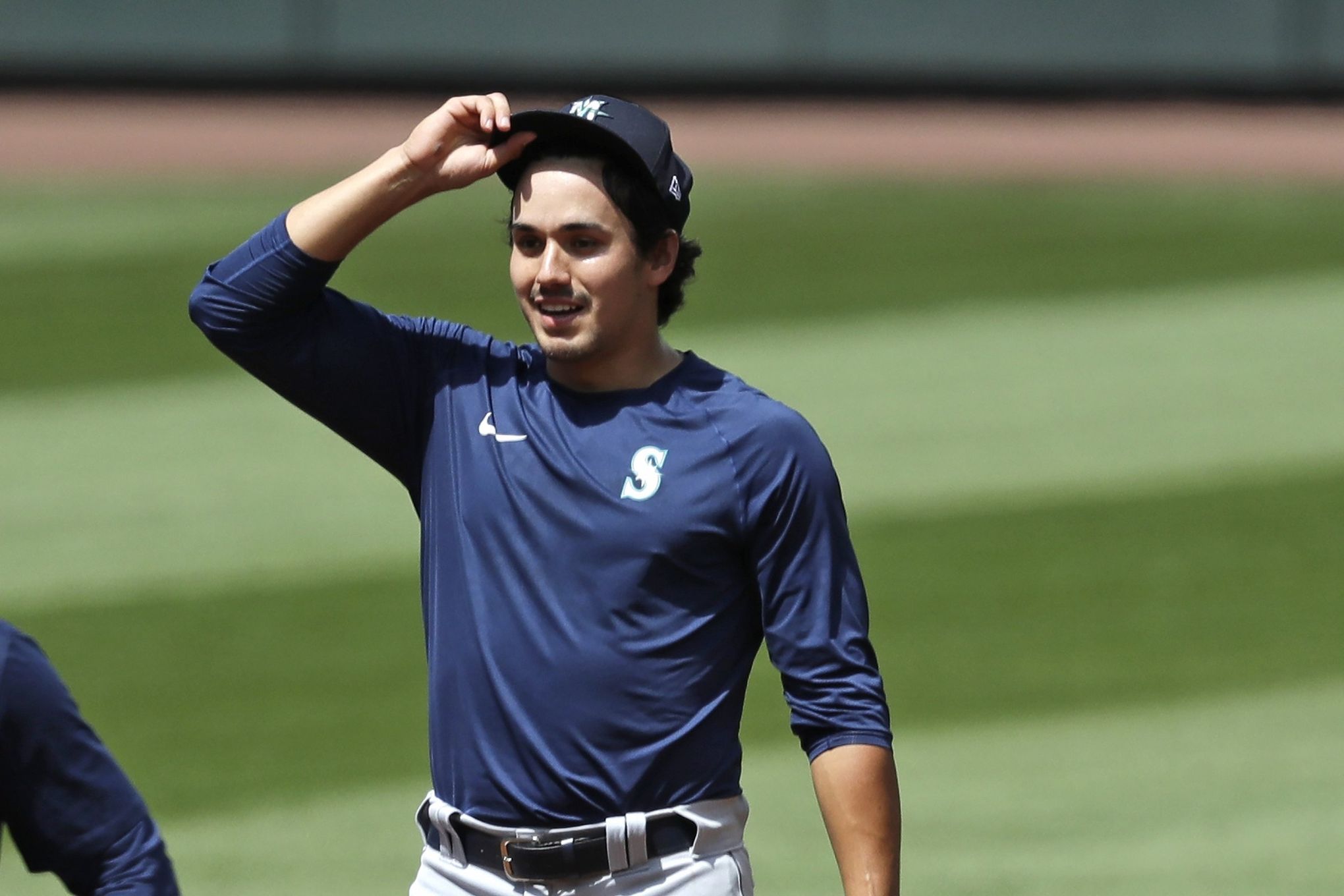
The issue isn’t whether Shenton has power scouts have long believed he does but how consistently he can access it against high-level pitching. First base is an unforgiving position in today’s MLB. Because it doesn’t typically demand defensive excellence, teams expect players at the position to produce significant offensive value. That means 25–30 home runs, high on-base percentages, and enough impact to anchor a lineup. Players who don’t reach that threshold, especially those without defensive versatility, often find themselves fighting for limited opportunities.
Shenton’s power ceiling continues to tempt evaluators who believe his bat might still blossom, but the league is filled with prospects who project for similar numbers. Teams everywhere have hulking corner infielders in their pipelines, players who demonstrate loud tools but need to translate them into results. As a result, Shenton is now at the point in his career where someone will need to give him a meaningful opportunity, or he’ll have to earn one through patience and persistence in the minors until circumstances break in his favor. He is not alone every year, players with strong minor-league track records struggle to carve out major-league roles simply because the competitive landscape at their position is so crowded.
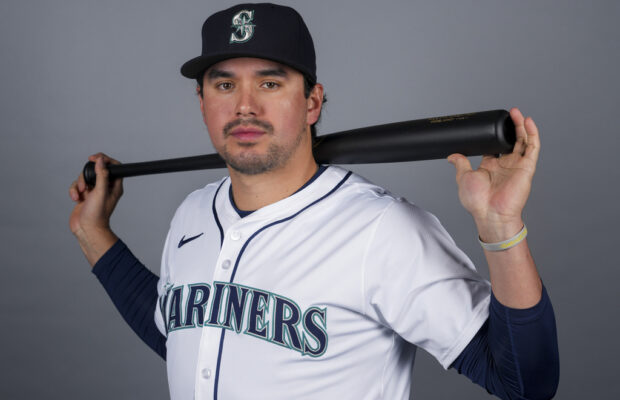
Free agency, however, offers a fresh start. Shenton could remain with the Mariners on a new deal if the organization still values his upside, but he may attract attention from other clubs looking for offensive depth. Rebuilding teams might see him as a potential bargain, while analytically inclined organizations—ones known for maximizing hitters through data-driven adjustments could view him as a project worth investing in. There is also the possibility of exploring opportunities overseas, perhaps in Japan’s NPB or Korea’s KBO, where many hitters have gone to refine their abilities before returning to MLB more polished and confident.
At 27, Shenton is entering what should be his physical prime. That alone gives him time to reshape his career trajectory. His power potential is too real for teams to ignore entirely, and his earlier minor-league success is substantial enough that he will almost certainly receive another chance somewhere. The question is simply where and whether he can produce the kind of consistent impact that convinces an organization to commit to him.

For the Mariners, Shenton’s departure is a relatively minor footnote in a larger story about the challenges of finding reliable hitters internally. Seattle has sought numerous creative avenues to bolster its offense, from player development adjustments to opportunistic trades and low-cost acquisitions like Shenton. Not every roll of the dice pays off. Sometimes the spark never ignites, and sometimes the breakthrough happens elsewhere.
Whatever comes next for Austin Shenton, his journey is far from over. He remains a player with tangible strengths, untapped potential, and a new opportunity to find the environment that best suits him. As he enters free agency for the first time, the next chapter of his career is up to whichever team believes they can help him unlock that final step and up to Shenton himself, as he works to prove that the flashes of brilliance he has shown in the minors can still translate to a meaningful major-league role.