The Toronto Blue Jays’ reported agreement with star pitcher Dylan Cease appears to have dramatically reshaped the early landscape of the upcoming Kyle Tucker free-agency sweepstakes. With Toronto likely committing significant payroll to Cease, industry insiders believe the Blue Jays are effectively out of the running for Tucker, leaving two powerhouses—the New York Yankees and Los Angeles Dodgers—as the current frontrunners.
Tucker, who has developed into one of baseball’s premier all-around outfielders, is expected to command one of the largest contracts in MLB history when he hits the open market this winter. Just Baseball’s Ryan Finkelstein recently projected a staggering 10-year, $430 million deal for the former Chicago Cubs draftee, a number that would immediately eliminate the majority of teams from contention.
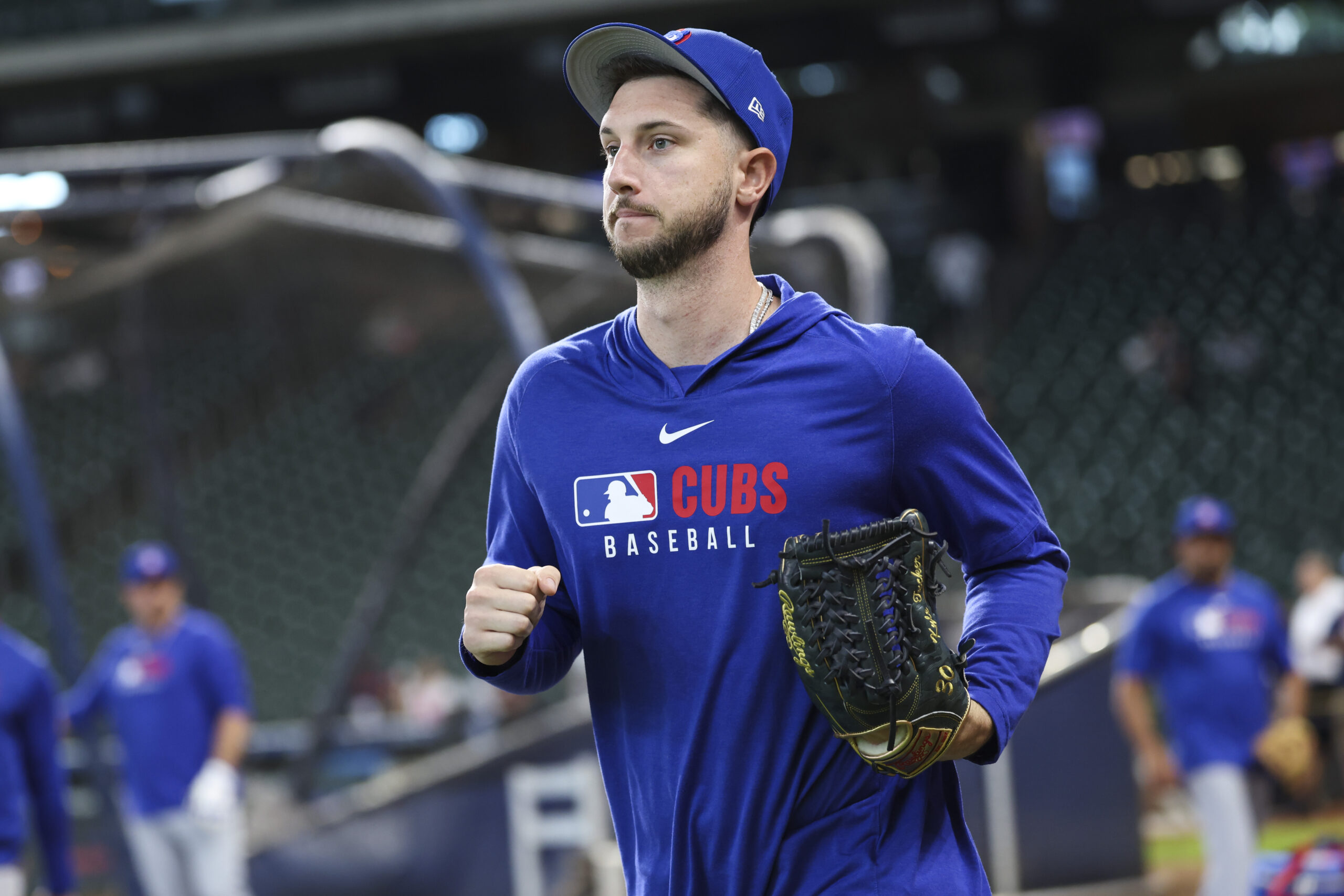
According to Finkelstein, while Tucker may not quite reach the $50 million annual salary threshold some predicted for Juan Soto, there is still a strong belief he can comfortably surpass $40 million per season. With only a handful of teams able—or willing—to operate in that financial stratosphere, the Yankees and Dodgers have naturally risen to the top of the list.
“All it takes is a few teams who are motivated to make Tucker their absolute top priority,” Finkelstein noted, suggesting that a $400 million-plus contract is more than attainable under the right bidding conditions.

Most around the league expect Tucker’s final deal to land somewhere in the $350–$430 million range, depending on market pressure. While the bidding war is not expected to reach the fevered intensity of Soto’s sweepstakes last year, the total value of Tucker’s contract could rival or exceed many recent megadeals.
Other large-market clubs—such as the San Francisco Giants and New York Mets—are viewed as potential wild-card entrants in the race. Should either franchise decide to aggressively pursue a superstar bat, they could significantly elevate Tucker’s market and drive his price even higher.

But for now, the Yankees and Dodgers have positioned themselves as the two most serious contenders, both seeking a marquee offensive weapon to anchor their lineups for the next decade.
As the offseason approaches, all eyes will be on how these financial giants maneuver their payrolls ahead of the expected battle for one of baseball’s most valuable stars.