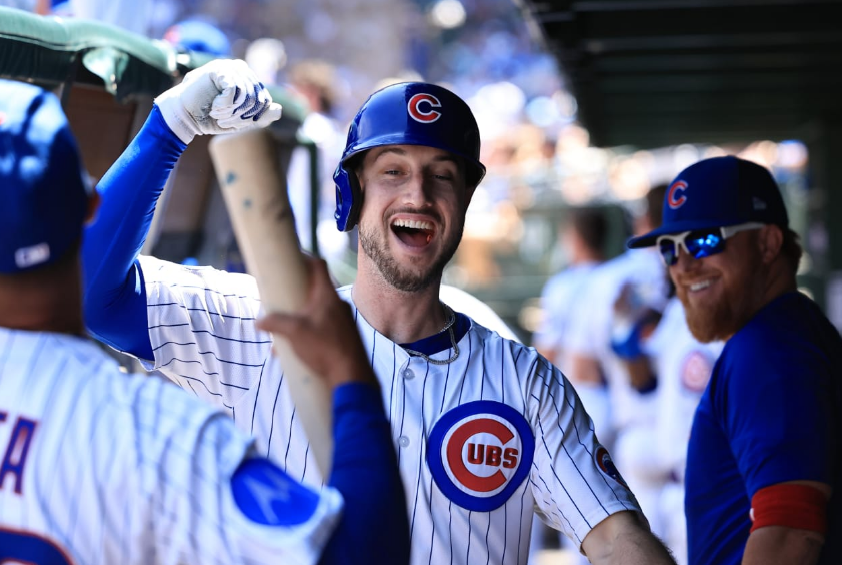
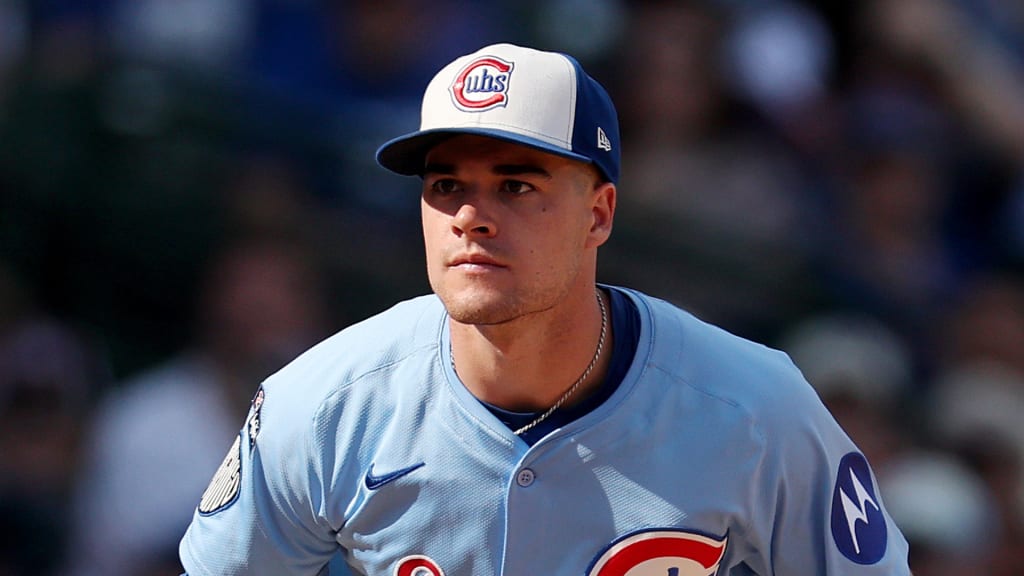
According to reports from Bob Nightengale of USA Today, the Cubs may be willing to shop Shaw in trade discussions. That possibility has fueled conversations across baseball circles because Shaw remains one of the more intriguing young position players in the organization. Although he still carries upside as an offensive contributor, Chicago’s roster construction and recent additions have complicated his long-term fit with the club. FanSided writer Christopher Kline recently explored several possible landing spots for Shaw, with the Tampa Bay Rays emerging as one of the most interesting potential trade partners.
The Rays have once again developed into one of baseball’s hottest teams, currently holding the best record in the American League despite dealing with injuries within their rotation. Tampa Bay’s reputation for maximizing pitching depth and player development makes the organization a logical match for Chicago in trade conversations. Even with pitchers like Ryan Pepiot and Steven Matz sidelined due to injuries, the Rays have continued to receive quality performances from multiple arms. That depth could allow Tampa Bay to consider moving a pitcher if the right offensive talent becomes available in return.

One pitcher drawing attention in speculative trade conversations is Nick Martinez, who has enjoyed a remarkable start to the season. Martinez has posted an eye-catching 1.51 ERA through his first nine starts, though some analysts believe that level of production may be difficult to sustain over a full season. Tampa Bay could potentially explore selling high on a veteran arm like Martinez if the rotation regains full health later in the year. However, many around baseball believe the Cubs would likely seek a pitcher with more long-term upside if they were to move a player such as Shaw.
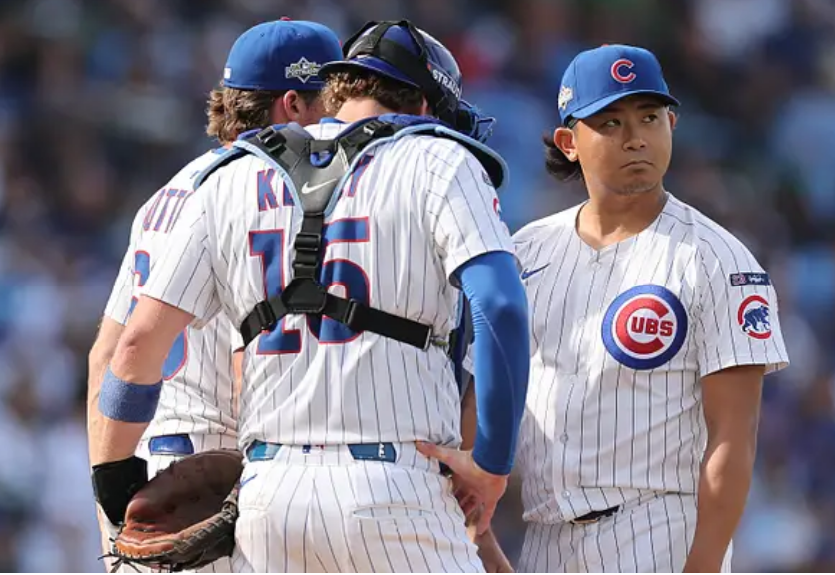
Because of that, some speculation has connected Chicago to more impactful names within Tampa Bay’s rotation, including Pepiot and even star left-hander Shane McClanahan. McClanahan remains one of the most talented pitchers in baseball when healthy and would instantly transform Chicago’s rotation if acquired. Although landing a pitcher of his caliber would almost certainly require a substantial package beyond Shaw alone, the possibility illustrates how aggressive the Cubs may need to become if they want to capitalize on their strong start and establish themselves as legitimate World Series contenders.

Shaw’s situation in Chicago has become increasingly complicated due to roster changes made by the organization. The signing of Alex Bregman significantly altered the Cubs’ infield picture, effectively blocking Shaw from his natural third base position. While Shaw has continued working to adapt and remain valuable offensively, the path to everyday playing time in Chicago has narrowed considerably. Through his appearances this season, Shaw has posted a .245 batting average with a .294 on-base percentage, a .404 slugging percentage, three home runs, 12 RBI, and a .698 OPS. Those numbers suggest there is still offensive potential, particularly for a young player adjusting to the major league level and playing outside his preferred defensive role.
For Tampa Bay, Shaw could represent the type of player the organization has historically targeted. The Rays have frequently succeeded in acquiring young players who need a fresh opportunity or a clearer path to consistent playing time. Tampa Bay’s developmental system and flexible roster construction could provide Shaw with a chance to settle back into a more natural role while refining his offensive game. Given the Rays’ reputation for maximizing undervalued talent, some analysts believe Shaw could flourish if placed in a different environment with fewer positional obstacles.
From the Cubs’ perspective, the decision ultimately comes down to balancing long-term potential with immediate championship aspirations. Chicago’s front office understands that opportunities to contend do not always remain open indefinitely. With the team currently leading the division and competing near the top of the National League standings, management may feel pressure to strengthen the roster while the window is open. Acquiring a frontline starter could dramatically improve the Cubs’ postseason chances, particularly in a playoff environment where elite pitching often determines success.
Trading Shaw would not necessarily be an easy decision. Young position players with offensive upside remain valuable assets, and there is always risk involved in moving a developing talent too early. However, baseball executives frequently face difficult choices when attempting to push competitive teams toward championship contention. If the Cubs believe Shaw no longer fits naturally into their long-term plans because of roster construction and positional limitations, they could determine that his highest value lies in helping acquire the pitching they currently lack.
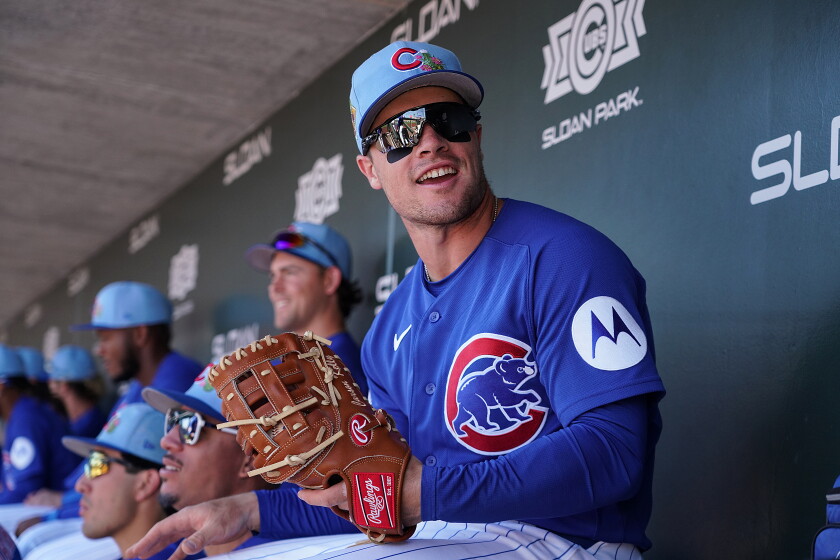
Industry observers also note that any serious pursuit of a top-tier starter would likely require Chicago to include additional prospects or assets beyond Shaw himself. Teams rarely move elite controllable pitching without demanding significant returns, especially when dealing with organizations positioned for playoff contention. If Chicago targets a pitcher like McClanahan or another high-impact arm, the Cubs may need to package Shaw with prospects from their farm system to complete a deal.
As the trade deadline approaches, the Cubs are expected to remain one of the most closely watched teams in baseball. Their strong record suggests they are capable of competing with the National League’s elite teams, but questions surrounding the rotation continue to create urgency. Whether the Cubs ultimately decide to move Shaw or pursue another avenue for pitching help, it is becoming increasingly clear that the organization is evaluating aggressive strategies to maximize its chances this season. Shaw’s future in Chicago now appears uncertain, and if the Cubs decide to make a major push before the deadline, the young infielder could become one of the most talked-about names in trade discussions across Major League Baseball.