Reed Garrett has agreed to a one-year contract with the New York Mets for the 2026 season, officially avoiding arbitration and solidifying his place in the organization despite uncertainty surrounding his short-term availability. The agreement is worth approximately $1.3 million, according to reports, and was finalized ahead of the league’s arbitration deadline as part of a broader effort by the Mets to settle with all of their arbitration-eligible players .
Garrett’s deal comes at a time when the Mets are emphasizing roster stability and cost certainty as they continue reshaping the club following recent seasons of transition. Although Garrett is not expected to be an immediate on-field contributor in 2026 due to recovery from Tommy John surgery, the Mets’ decision to tender him a contract and reach an agreement underscores the organization’s confidence in his long-term value as a bullpen arm. Rather than risking a contentious arbitration process or non-tendering him outright, the Mets opted to maintain control of a pitcher they view as part of their future relief depth.
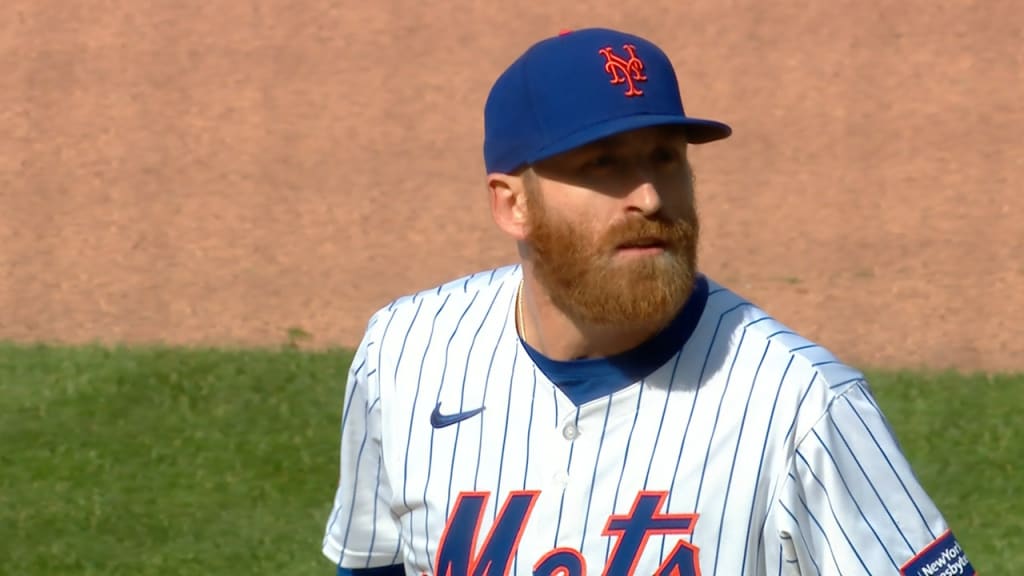
Reed Garrett, a right-handed reliever, emerged as a useful bullpen piece for New York prior to his injury. Known for his ability to miss bats and handle leverage situations in short bursts, Garrett carved out a role that made him more than just replacement-level depth. While not a headline closer, his presence provided flexibility to the Mets’ bullpen, especially during stretches where injuries and inconsistency plagued the relief corps. That reliability, even in a relatively small sample size, appears to have factored heavily into the team’s willingness to keep him under contract through his rehabilitation period.
From a financial standpoint, the $1.3 million salary reflects both Garrett’s arbitration eligibility and the risk associated with his health. For the Mets, it is a modest commitment that aligns with modern MLB strategy, where teams often retain injured but controllable pitchers rather than cutting ties and potentially losing upside. If Garrett returns healthy late in 2026 or early in the following season, the contract could prove to be a cost-effective investment compared to the volatile free-agent relief market, where bullpen arms frequently command inflated salaries .

The agreement with Garrett was one of several arbitration settlements the Mets completed, as the club successfully avoided arbitration hearings with all six of its eligible players. This group included notable names such as David Peterson and Tylor Megill, signaling a broader organizational preference for negotiated resolutions rather than adversarial proceedings. For players, avoiding arbitration often brings a sense of security and clarity, while teams benefit from predictable payroll figures and preserved relationships within the clubhouse .
Garrett’s injury timeline remains a key variable. Tommy John surgery typically requires 12 to 18 months of recovery, and while modern rehabilitation has improved outcomes, teams are cautious with pitchers returning from the procedure. The Mets have not publicly committed to a specific return date, instead signaling that Garrett’s health and long-term effectiveness will take priority over rushing him back. Even if he does not pitch meaningfully during the 2026 regular season, the organization values the possibility of having him fully healthy moving forward, whether as a bullpen contributor or depth option .
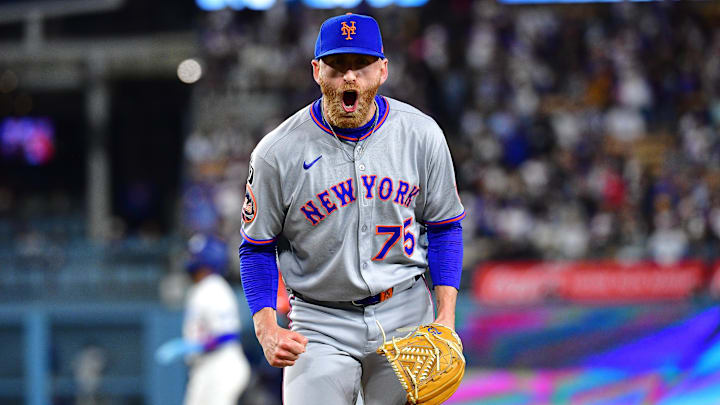
For Garrett, agreeing to the deal provides financial security and continuity during a challenging phase of his career. Rehabilitation from major elbow surgery can be mentally and physically taxing, and having organizational backing often plays a significant role in a pitcher’s recovery process. Rather than entering free agency while injured or facing uncertainty through arbitration, Garrett now knows where he will be rehabbing and which coaching and medical staff will oversee his return .
In the broader context of the Mets’ offseason, the move fits a pattern of balancing short-term competitiveness with longer-term roster planning. While much of the public focus remains on high-profile signings and trades, decisions like retaining Garrett highlight the importance of depth and internal options. Bullpens, in particular, are notoriously unpredictable, and teams that can develop or retain effective relievers at reasonable costs often gain a competitive edge over the course of a long season.

In summary, Reed Garrett’s agreement with the Mets is a low-risk, forward-looking move that reflects confidence in his recovery and future contributions. The one-year, $1.3 million deal allows New York to retain a pitcher they value while giving Garrett stability as he works his way back from surgery. Though his impact in 2026 may be limited, the contract positions both player and team for potential payoff beyond the immediate season, reinforcing the Mets’ emphasis on depth, patience, and controlled spending within their pitching staff .