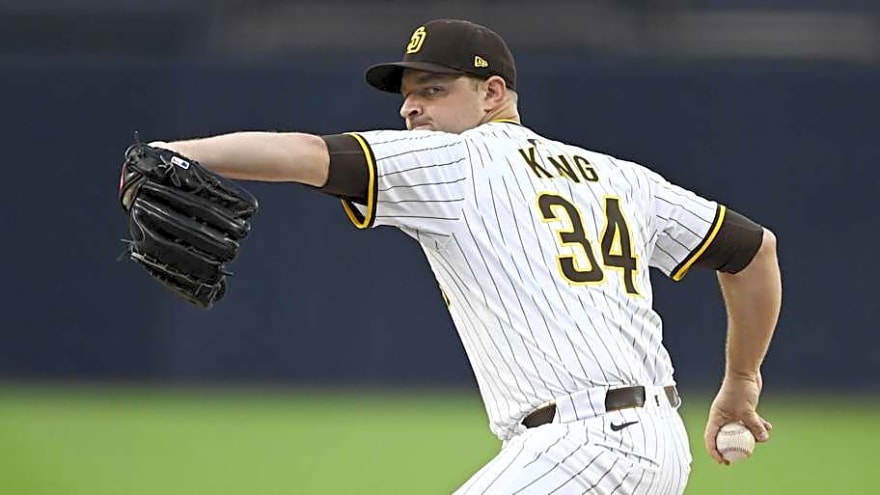
The Chicago Cubs appear increasingly serious about adding firepower to their rotation this offseason — and one name has consistently surfaced as a top candidate: free-agent right-hander Michael King. As clubs evaluate starting-pitching options, King’s availability, upside, and past performance have placed him high on Chicago’s wish list, even as questions remain over health and long-term consistency.
King became a free agent in early November 2025 after declining a $15 million mutual option with the San Diego Padres. That decision triggered a $3.75 million buyout and put him on the open market, where he is expected to receive a qualifying offer from San Diego a one-year, $22.05 million deal which he in all likelihood will reject in favor of a longer multi-year pact.
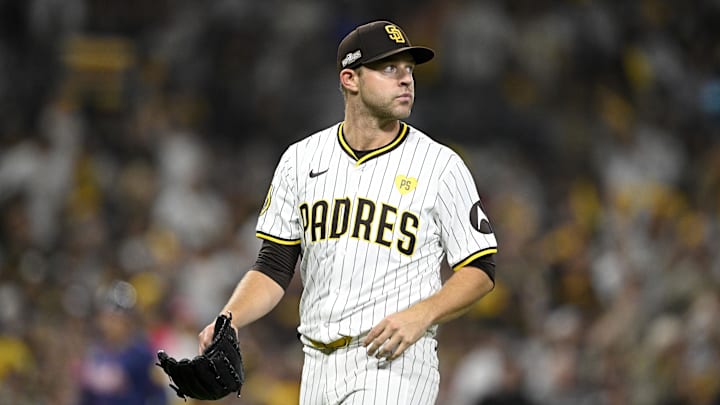
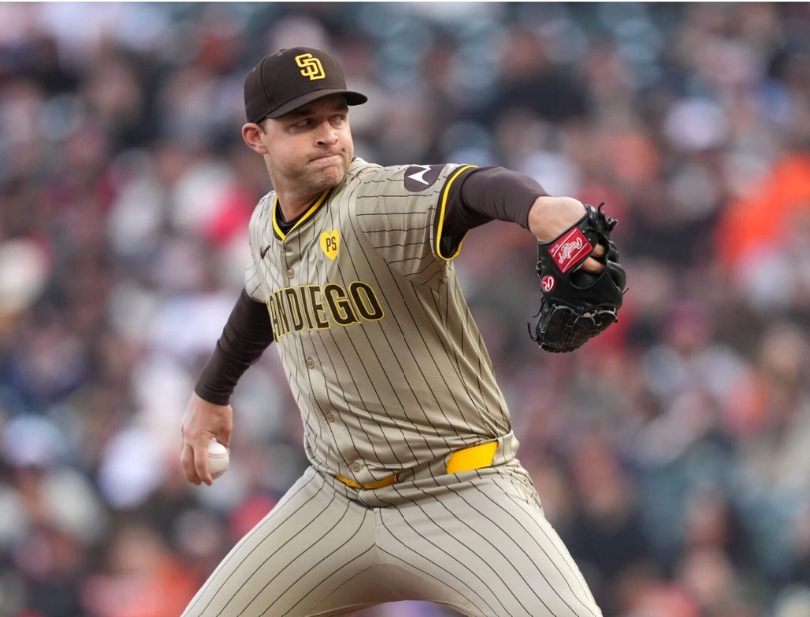
The move to free agency comes after a mixed 2025 season. King spent much of the year sidelined with a right-shoulder nerve issue, followed by a knee problem. As a result, he made just 15 starts. Even so, when healthy, his results remained respectable: a 3.44 ERA over 73.1 innings, with solid peripherals. Over the two most recent seasons (2024–2025), King combines for 247 innings with 277 strikeouts a strikeout rate and volume that retain the attention of clubs hunting upside in the rotation.
For the Cubs, King represents a middle ground: better upside than a back-of-the-rotation arm, but far less cost and risk than the highest-paid ace candidates. Chicago views him as a “high-upside value” target someone who, if healthy, could provide quality innings without commanding the massive payroll commitment that often comes with top-tier free-agent starters.

Industry estimates for a potential King contract vary. Some project deals around three years, $75 million; others suggest four years in the ballpark of $80–88 million. For the Cubs, that kind of deal sizeable but not prohibitive offers reasonable upside if King can stay healthy and return to form.
Underlying King’s appeal is a strong pitch mix and his demonstrated ability to generate strikeouts and suppress hard contact. In 2024, he posted elite metrics: top-tier exit-velocity suppression and hard-hit rate rankings, combined with an elevated strikeout rate. Those underlying numbers when paired with a full workload suggested a front-of-the-rotation starter in the making.

Sources close to Cubs front-office deliberations say King’s profile aligns with what the club has sought in recent offseasons: pitchers with good “pitchability” and upside, who may not yet carry top-of-the-market price tags, but who could deliver meaningful innings and strikeouts. On a recent podcast, a club insider reportedly called King “the most upside piece” on a short list that already includes other free-agent rotation candidates.
If the Cubs do decide to make a move, they’ll be weighing several factors. On the upside: a healthy King could give them a strikeout-capable, mid-rotation-or-better arm one that once approached elite status when healthy. On the downside: durability remains a major concern, given his 2025 injuries and limited full-time track record; committing several years and tens of millions requires confidence in his long-term health.
Moreover, the market for free-agent pitchers this winter is deep and competitive. As the club assesses its rotation needs, King is just one among several possible fits. Some experts suggest that Chicago could land him or someone with similar upside without sacrificing financial flexibility for other offseason moves.
For King, the upcoming weeks will be critical. With the qualifying offer from San Diego likely to be declined, he may attract multiple suitors. Teams looking for rotation upgrades see him as a medium-risk, high-reward option someone who, if healthy, could deliver solid results at a fraction of the cost of premium free-agent arms.
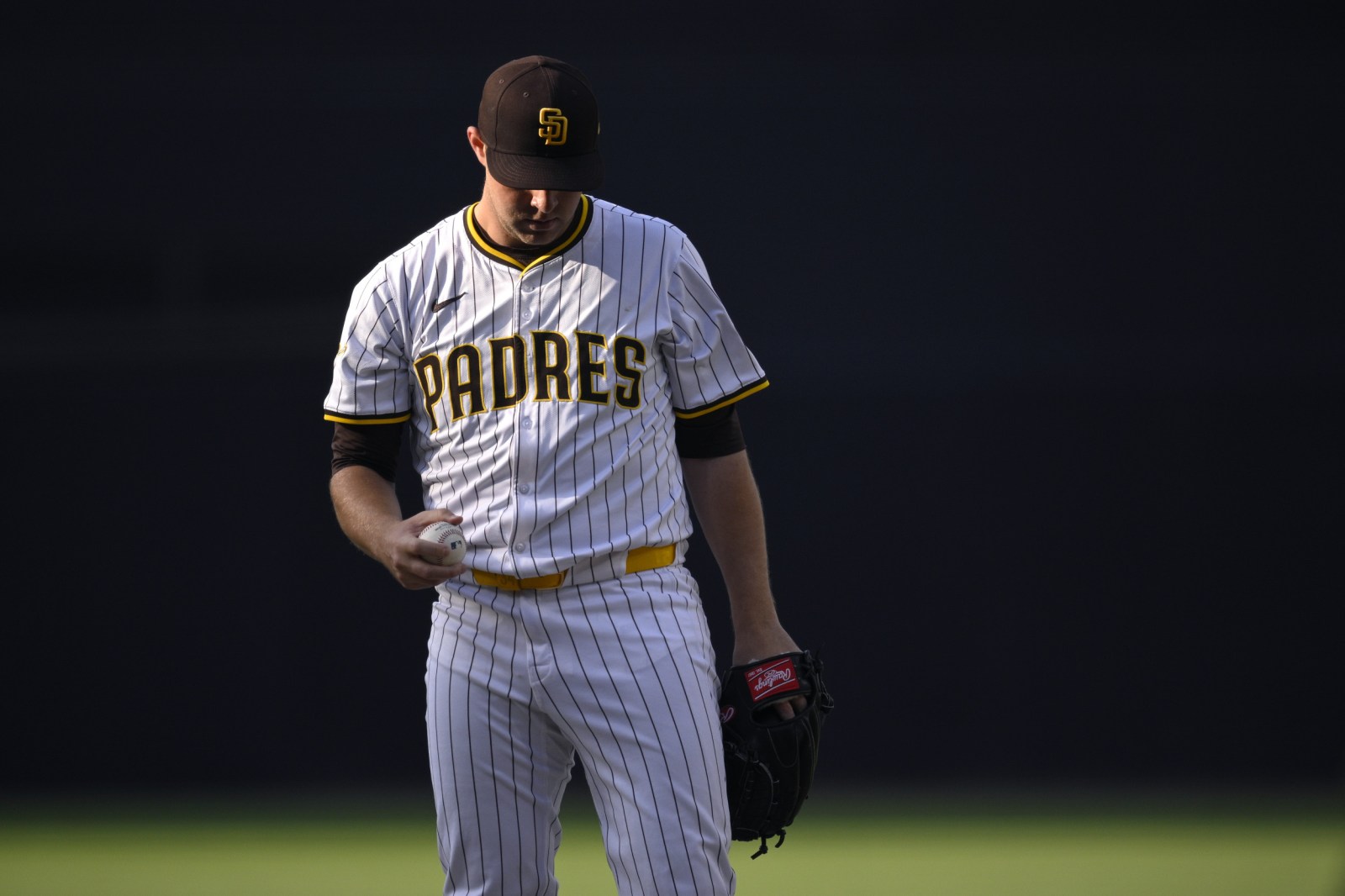
For the Cubs, the question isn’t just about whether King can pitch it’s whether he can be part of a larger strategy. A contract to King could give them rotation stability while preserving payroll flexibility, enabling the club to explore other roster improvements such as bullpen reinforcements or offensive upgrades.
But if King stumbles or succumbs to further injury setbacks the gamble could backfire. That said, given the risk-reward balance, many analysts currently view him as a “smart gamble” for clubs like Chicago looking to retool efficiently.

As of now, no deal has been announced. King remains an unsigned free agent, and the Cubs along with several other teams continue to monitor him. Yet the buzz surrounding him suggests that if he does land a multi-year deal, it will likely come soon.
For Cubs fans, King represents potential not a guarantee. But in a pitching market flush with uncertainty and rising prices, a calculated move for a proven but affordable arm might just make sense. If everything aligns health, preparation, mechanics Michael King could become a key part of Chicago’s rotation for 2026 and beyond.